Hypoallergenic Diets: What to Know for Pets with Food Allergies

The Rising Concern of Food Allergies in Pets
Food allergies among pets, particularly dogs and cats, are on the rise, compelling many pet owners to explore dietary options that can alleviate their furry companions’ discomfort. While food allergies may impact pets differently, they often manifest through various symptoms that can significantly affect their quality of life. Understanding these indicators is crucial for pet owners seeking timely solutions.
Identifying Symptoms
Common symptoms of food allergies can vary from one pet to another, yet they often include consistent skin irritations, which may present as itching, redness, or rashes. These dermatological issues can lead to excessive licking or scratching, resulting in further complications like hot spots or infections. Additionally, pets may suffer from digestive problems, such as vomiting, diarrhea, or flatulence, which can signal an allergic reaction to a specific food component. Chronic ear infections are also prevalent and can cause significant discomfort, making it imperative for pet owners to monitor their pets’ health closely.
The Role of Hypoallergenic Diets
Hypoallergenic diets are crafted with the primary goal of minimizing potential allergens that can trigger adverse reactions. These specialized diets often feature novel proteins, which are uncommon in typical pet foods, such as duck, venison, or kangaroo. By using ingredients that your pet has not previously consumed, these diets aim to reduce the likelihood of an allergic response. Some pet foods take it a step further by employing hydrolyzed proteins, which are proteins that have been broken down into smaller, digestible molecules. This process lessens the chances of an immune response, making it easier for sensitive pets to tolerate their food.
Consulting a Veterinarian
Before making significant dietary changes, it is vital to consult a veterinarian who can recommend a tailored plan that ensures balanced nutrition while minimizing potential allergens. Choosing the right hypoallergenic diet requires a keen understanding of both your pet’s unique needs and the various available options. Additionally, not all hypoallergenic foods are created equal. Some brands may still include ingredients that can trigger sensitivities, making it necessary for pet owners to read labels meticulously.
Transitioning to a New Diet
Transitioning your pet to a new hypoallergenic diet can be a gradual process, often taking an extended period to avoid gastrointestinal upset. Starting with a mix of the old and new food for several days, and gradually increasing the new food, allows your pet’s system to adapt more effectively. Throughout this transition, careful monitoring of your pet’s reaction is essential. Observe any changes in their behavior, stool consistency, and overall well-being as these indicators can provide valuable insights into the diet’s effectiveness.
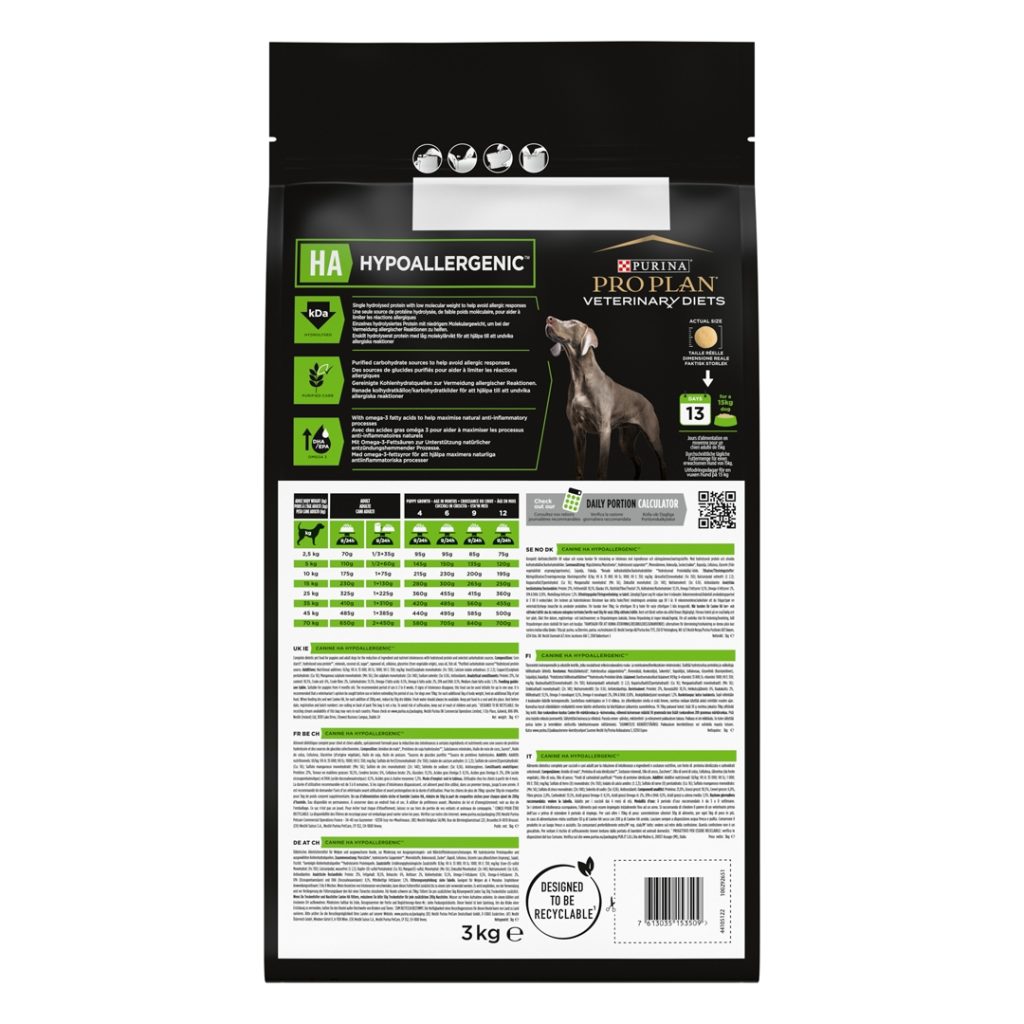
As you embark on this journey to enhance your pet’s health through a hypoallergenic diet, thorough research and consultation can make a significant difference. By exploring these dietary alternatives, you can discover not only the best food options available but also uncover a path to a happier, healthier life for your beloved companion.
Understanding Hypoallergenic Diets
Hypoallergenic diets are more than just a trend in the realm of pet nutrition; they are a vital tool in managing the health and comfort of pets suffering from food allergies. As pet parents become more attuned to the needs of their furry companions, the importance of understanding these specialized diets cannot be overstated. Many of these diets are specifically formulated to avoid common allergens and provide essential nutrients that support overall pet health.
Types of Hypoallergenic Diets
There are generally two main types of hypoallergenic diets that pet owners can choose from: novel protein diets and hydrolyzed protein diets.
- Novel Protein Diets: These diets include proteins that are not commonly found in regular pet foods, such as bison, rabbit, or peas. The idea is that by introducing a protein source that the pet has never been exposed to, the risk of an allergic reaction is greatly reduced.
- Hydrolyzed Protein Diets: In these diets, proteins are broken down into much smaller molecules, rendering them less recognizable to the immune system. This method can significantly decrease the chance of an allergic response, making hydrolyzed diets particularly useful for pets with severe food allergies.
When selecting a hypoallergenic diet, it is important to note that not all pet foods labeled as hypoallergenic will suit every pet. Ingredients can still differ by brand and formulation, which is why thorough research is crucial.
Key Ingredients to Look For
Besides focusing on novel or hydrolyzed proteins, pet owners should also pay attention to other aspects of such diets. Here are some key ingredients and characteristics to consider:
- Limited Ingredient Lists: Foods with simpler ingredient lists can help to eliminate potential triggers while making it easier to identify what your pet is consuming.
- Grain-Free Options: Some pets may also have sensitivities to common grains. Grain-free options may mitigate the risk of triggering additional allergies.
- High-Quality Ingredients: Opt for brands that prioritize quality in their ingredients. Look for whole-food sources and avoid fillers that add little nutritional value.
Additionally, it is essential to be cautious about treats and supplements, as many can contain allergens that could counteract the benefits of a hypoallergenic diet. Thus, scrutinizing every element of your pet’s diet is vital.
Importance of Trial Periods
Whenever you make a switch to a hypoallergenic diet, a trial period is often recommended. This involves feeding the new diet exclusively for a minimum of eight to twelve weeks to gauge how your pet responds. Observing changes in symptoms can provide crucial insights into the effectiveness of the diet.
By understanding the ins and outs of hypoallergenic diets, pet owners can make informed decisions that contribute to their pets’ health and happiness. This learning journey can lead not only to the right food choices but also to improved overall well-being for beloved companions facing food allergies.
Understanding the Benefits of Hypoallergenic Diets for Pets
Hypoallergenic diets play a crucial role in managing food allergies for pets, offering a specialized approach to nutrition that can significantly enhance the quality of life for affected animals. These diets are specifically formulated to reduce the risk of allergic reactions by excluding common allergens found in traditional pet foods.
Key Advantages of Hypoallergenic Diets
| Category | Key Features |
|---|---|
| Limited Ingredient | Focuses on fewer protein sources to identify allergens |
| Hydrolyzed Proteins | Breaks down proteins into smaller fragments, making them less likely to trigger reactions |
| Novel Ingredients | Uses uncommon protein and carbohydrate sources to minimize exposure |
These specific attributes are designed not only to address the immediate concerns of allergic reactions but also to promote long-term health benefits. For example, a diet featuring limited ingredients helps pet owners closely monitor their pet’s reactions to food, allowing for adjustments as needed. Additionally, hydrolyzed proteins provide a safer option for pets sensitive to typical protein sources, thereby reducing potential digestive issues and inflammation.Furthermore, the use of novel ingredients such as alternative proteins like kangaroo or rabbit can help to diversify the diet while significantly lowering the risk of allergic exposure. As a result, hypoallergenic diets can lead to improved skin health, reduced gastrointestinal discomfort, and overall better responsiveness in pets.When considering a hypoallergenic diet, it is essential for pet owners to consult with their veterinarian. A thorough evaluation will help tailor a diet that not only aligns with the pet’s specific needs but also supports optimal health, ensuring that food allergies become manageable rather than a central issue of their everyday life.
Navigating Potential Challenges of Hypoallergenic Diets
While hypoallergenic diets offer significant benefits for pets with food allergies, navigating the transition can come with its own set of challenges. Understanding these potential hurdles can help pet owners better prepare for and manage the dietary change.
Transitioning to a Hypoallergenic Diet
One common challenge is the transition period itself. When switching to a hypoallergenic diet, it’s crucial to do so gradually. A sudden change in diet can lead to digestive upset, even if the new food is hypoallergenic. A recommended approach is to mix a small amount of the new food with the existing diet and gradually increase the new food’s proportion over a week or more. This method helps pets adjust comfortably while minimizing gastrointestinal stress.
Picky Eaters and Acceptance
Another consideration is the palatability of hypoallergenic diets. Some pets may be picky eaters and reluctant to accept new food, especially if they are accustomed to more flavorful options. To entice a pet to try a hypoallergenic diet, consider warming the food slightly or adding a small amount of low-sodium broth. Utilizing the trial period mentioned earlier can also help owners monitor not just for allergy symptoms, but also for their pets’ willingness to eat.
Consulting with a Veterinarian
Before embarking on a hypoallergenic diet, consulting with a veterinarian is essential to ensure the safety and effectiveness of the chosen diet. A vet can help identify specific allergens to avoid and recommend the most suitable brands or formulations based on your pet’s unique health needs. Additionally, if a pet does not improve on a hypoallergenic diet after a reasonable trial period, further investigation may be necessary. Food allergies can sometimes be mistaken for other issues, such as environmental allergies or underlying health conditions, making professional guidance crucial.
Monitoring and Identifying Allergens
Monitoring your pet’s behavior, coat condition, and overall health during the dietary transition is vital. Take notes on any changes, whether positive or negative. Many pet owners find that keeping a food diary—documenting when they introduce new foods or treats—helps identify patterns associated with allergic reactions. This documentation can be particularly beneficial during veterinary consultations, aiding in diagnosing and managing food allergies.
The Role of Supplements
While hypoallergenic diets may provide essential nutrients, some pets might still require additional support. Discussing the potential for supplements with a veterinarian can be beneficial. For instance, omega-3 fatty acids can promote skin health and reduce inflammation, which may be particularly helpful for pets suffering from allergic reactions. Always ensure that any supplement is hypoallergenic and aligns with your pet’s dietary needs.
Ultimately, navigating the world of hypoallergenic diets requires patience, diligence, and proactive communication with veterinary professionals. By understanding the challenges and arming themselves with knowledge, pet owners can provide their beloved animals with a path toward increased comfort and minimized allergic reactions.
Conclusion
In conclusion, hypoallergenic diets present a valuable solution for managing food allergies in pets, but they require a thoughtful approach for optimal success. The transition to a new diet, while essential, can be fraught with challenges such as picky eating habits and the risk of digestive upset. Therefore, patience and gradual introduction of new foods are critical for ensuring a positive experience for your furry companions.
Pet owners should not overlook the importance of veterinary consultation in navigating this dietary shift. A vet can provide tailored recommendations, identify potential allergens, and suggest effective supplements to support overall health. Monitoring your pet’s response to the new diet through comprehensive tracking can further enhance your understanding of their unique needs and ensure a more comfortable and healthier life.
Ultimately, arming yourself with knowledge and actively engaging with veterinary professionals can pave the way for a successful transition to hypoallergenic diets. As you embark on this journey, remember that every pet is different; what works for one might not work for another. Therefore, continual observation and open communication with veterinarians will empower pet owners to make informed decisions. By prioritizing your pet’s dietary health, you’re not only alleviating symptoms but also enriching their quality of life for years to come.
As awareness and understanding of food allergies in pets increase, it is crucial to continuously explore new resources and stay updated on emerging studies related to hypoallergenic diets. Your commitment to your pet’s well-being is the most significant step toward ensuring they thrive despite their food sensitivities.