Socializing Your Puppy: Essential Training Tips for a Well-Adjusted Dog

The Importance of Socializing Your Puppy
Bringing a puppy into your home is an exciting journey filled with joy and companionship. However, along with this happiness comes a significant responsibility: socialization. Proper socialization is vital for ensuring that your puppy evolves into a well-adjusted and confident dog, capable of navigating the complexities of the world around them.
Socialization involves exposing your puppy to a variety of experiences, environments, people, and other animals. This multifaceted approach not only boosts their confidence but also mitigates the risk of behavioral issues that can occur if they grow up unexposed to diverse stimuli. Let’s delve deeper into key areas of focus during this critical developmental phase:
- People: Introducing your puppy to a wide range of individuals is crucial. This means allowing them to meet men, women, children, and even seniors. Encouraging positive interactions with people of different shapes, sizes, and backgrounds helps your puppy learn that humans can be friendly and safe. Consider visiting local parks or community events where they can encounter various people in different settings.
- Other Animals: Socialization with other animals, particularly well-vaccinated dogs, is a key component of a puppy’s growth. Arrange playdates with friendly dogs and visit dog parks where puppies can safely romp and play. This not only helps your pup learn appropriate social cues but also teaches them to engage in playful behavior, enhancing their social skills and reducing fear or aggression towards other animals.
- Noises and Environments: Exposing your puppy to a variety of sounds and environments is essential for comfort in different situations. Gradually acclimate them to noises such as traffic, lawnmowers, and even household appliances like vacuum cleaners. Take them on car rides, to pet-friendly stores, or out for a walk in bustling downtown areas to help them become comfortable in various settings.
It’s recommended to start socialization as early as eight weeks of age, as this period is critical for your puppy’s cognitive development and understanding of social norms. Ensure that these introductions are positive and rewarding, utilizing treats and praise to reinforce good behavior.
By investing time and effort into socializing your puppy, you are laying the groundwork for a friendly, adaptable adult dog. This process not only prepares them for various situations throughout their life but also enriches their overall well-being. In the upcoming sections, we will explore essential training tips that will guide you on this exciting journey, equipping you with the tools to nurture a confident, well-balanced canine companion that thrives in any environment.
Creating Positive Experiences
Socializing your puppy is not merely about exposing them to different people, animals, and environments; it is about creating positive experiences that will shape their behavior and personality for years to come. Achieving successful socialization requires patience, persistence, and a thoughtful approach. Here are some essential tips to ensure that each interaction encourages good behavior:
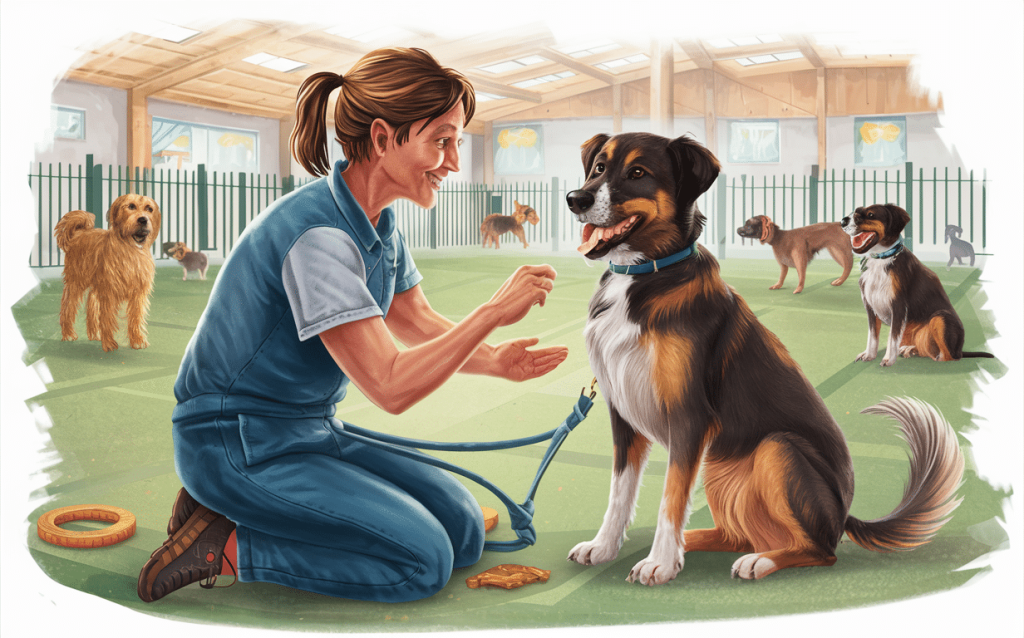
- Start Slowly: For young puppies, a gradual approach is key. Start by introducing them to one new person or environment at a time. Overwhelming your puppy with too many stimuli can lead to fear and anxiety, undermining the entire purpose of socialization. Look for quiet locations for initial interactions and progressively work towards busier areas.
- Use Treats and Praise: Always make socialization a rewarding experience. Carry treats and use them to reinforce positive behavior. When your puppy stays calm and relaxed during an interaction, reward them immediately with a treat or enthusiastic praise. This helps them associate new experiences with positivity.
- Observe Body Language: Your puppy’s body language will tell you how comfortable they feel in various situations. Look for signs of stress, such as tucked tails, cowering, or excessive barking. If you notice these signs, give them some space and reduce the intensity of the exposure until they feel more at ease.
- Encourage Playdates: Socialization is critical with other dogs, too. Organize controlled playdates with authoritative dogs that behave well. Supervised interactions will help your puppy learn appropriate social behaviors, closely mimicking how they will engage in more extensive social groups as adults.
- Incorporate Training Commands: While socializing, incorporate basic training commands such as “sit,” “stay,” and “come.” This will not only reinforce their training but also instill a sense of discipline in a fun and engaging manner. It aligns their behavior with your expectations, making social settings more manageable.
Implementing these tips will create a solid foundation for your puppy’s socialization journey. The goal is to invite positive and enriching experiences into their life while teaching them essential skills for interacting with the world around them. The importance of early socialization cannot be overstated; puppies that are properly socialized are more likely to grow into well-adjusted adults who can handle new experiences with confidence.
As we explore further, we’ll uncover more nuanced aspects of socialization, including the timing and frequency of these exposure sessions that ultimately ensure your puppy becomes a well-adjusted dog. With the right strategies, you can help your furry friend develop the resilience and social savvy needed for a happy and fulfilling life.
| Category | Advantages |
|---|---|
| Early Socialization | Enhances confidence and reduces fears. |
| Diverse Experiences | Promotes adaptability to various environments. |
| Behavioral Skills | Improves interactions with other dogs and people. |
| Positive Reinforcement | Encourages desirable behaviors through rewards. |
Socializing your puppy is an extraordinary journey that unravels a world of benefits for your furry companion. When exposed to various environments, sounds, and experiences at a young age, your puppy is likely to develop a strong foundation of confidence. This foundational step significantly reduces the likelihood of developing fears and anxieties as they mature.As your puppy encounters diverse environments—be it at the park, pet stores, or during daily walks—they learn to adapt, enhancing their adaptability skills. This crucial exposure leads to well-rounded, socially adept dogs that thrive in various situations, whether encountering other pets or meeting new people.Incorporating positive reinforcement during socialization fosters a deep sense of trust and understanding between you and your puppy. The rewards and praises associated with desirable behavior contribute to a positive household dynamic, making interactions smoother and more enjoyable. By focusing on these essential training tips, you’re on the path to raising a happy, well-adjusted dog that can confidently navigate the world. As you continue this journey, remember to stay patient and consistent—changes in behavior and comfort levels take time and nurturing.
Timing Matters: Socialization Schedules
One of the golden rules of puppy socialization is that timing is everything. Puppies possess a critical learning window that occurs during their developmental stages, typically between 3 and 14 weeks of age. During this period, they are highly impressionable and more likely to adapt positively to new experiences. Therefore, it’s crucial to maximize socialization opportunities during this timeframe. However, socialization should not stop once this window closes; it should continue throughout their first year to solidify their comfort and adaptability.
To structure effective socialization sessions, consider implementing a regular routine. Here are some practical strategies:
- Daily Adventures: Dedicate a portion of each day to engaging your puppy in new adventures. This could include short trips to a friend’s house, walks through different parks, or visits to pet-friendly stores. The more varied their experiences, the better they will adjust to life as an adult dog.
- Group Classes: Puppy training classes offer a controlled environment for socialization with both people and other dogs. These classes allow for supervised play while reinforcing essential commands and behavioral expectations. Look for classes that focus on socialization and provide a wide array of interactions.
- Community Events: Take advantage of local dog-centered events, such as pet parades or outdoor festivals. These settings are ripe for socialization and can introduce your puppy to exciting sights, sounds, and experiences. Ensure that the atmosphere is friendly and not overwhelming to promote positive associations.
It’s important to keep in mind the duration of these exposure sessions. Younger puppies may benefit from shorter interactions, around 5 to 10 minutes, especially when introduced to something entirely new. Gradually increase the exposure length, taking care to monitor your puppy’s comfort level throughout.
Dealing with Negative Experiences
While the aim is to create positive experiences, it’s inevitable that some negative interactions may occur. If your puppy has a fearful encounter—be it with a loud noise or an aggressive dog—it’s crucial to manage the situation appropriately to prevent long-term behavioral issues.
- Stay Calm: Your demeanor plays a vital role in how your puppy processes fear. If you react negatively or appear anxious, your puppy may perceive the event as threatening. Instead, maintain a composed and relaxed attitude and reassure them with gentle voice tones.
- Desensitize Gradually: If a specific fear emerges, address it through gradual desensitization. For instance, if your puppy is afraid of large trucks, begin with small exposure to the sound at a distance. Gradually move closer as they become more comfortable, always rewarding them with treats for brave behavior.
- Seek Professional Help: If negative experiences significantly impact your puppy’s behavior, consider seeking guidance from a professional dog trainer or behaviorist. They can offer tailored advice to help navigate fear and anxiety effectively.
Incorporating structured and thoughtful socialization sessions while remaining attentive to your puppy’s reactions will pave the way for them to become a well-adjusted dog. For any owner, observing your puppy grow more confident and socially savvy is one of the most rewarding aspects of pet ownership. Now is the time to embrace every moment and cultivate future-ready pets who can thrive in their communities.
Conclusion: The Key to a Harmonious Future
In the journey of dog ownership, socializing your puppy is an invaluable step toward ensuring a happy and well-adjusted companion. By understanding the critical development window and implementing structured socialization practices, you are not only fostering positive experiences but shaping their future interactions with both humans and other animals. Regular adventures, group classes, and participation in community events enrich your puppy’s life while building their confidence.
Moreover, recognizing how to handle negative experiences is just as essential. A puppy’s resilience can often be nurtured through your calm approach and gradual desensitization techniques, equipping them with the skills to navigate anxiety and unpredictability. By being proactive and responsive to your puppy’s needs, you secure a foundation for a trusting relationship, one that thrives well into adulthood.
Ultimately, the effort you invest in socializing your puppy pays significant dividends. As they grow, your well-adjusted dog will contribute positively to society, displaying good behavior and adaptability amid varying circumstances. This investment not only enhances their quality of life but also amplifies your day-to-day experiences together.
So seize the opportunity to create lasting memories and foster social skills while your puppy is still developing. The future of your dog—and the joy they bring—depends on the steps you take today. With the right approach and dedication, you can raise a well-adjusted dog capable of thriving in any environment.