How to Train Your Cat to Use a Litter Box: Tips and Tricks

Making Litter Box Training a Breeze
Cat owners often face one common challenge: helping their furry friends embrace the litter box. This essential skill not only contributes to a clean home but also improves your pet’s overall well-being. Adopting effective litter box training techniques can foster a happier relationship with your feline companion. Understanding different aspects of litter box training is key to success and ensures that the experience is stress-free for both you and your cat.
When it comes to litter box training, there are several factors to consider:
- Location: Choosing the right spot is crucial. Cats are instinctively private creatures and often prefer a secluded area for their bathroom needs. A quiet corner in a low-traffic area tends to be ideal. Avoid placing the litter box near their food and water dishes, as cats like to keep their dining areas separate from their bathroom activities.
- Type of litter: Different cats have varying preferences. Some may prefer clumping clay litter while others may gravitate towards natural alternatives like pine or corn-based litters. It’s worth trying out a few options to determine what your cat likes best. Also, consider that kittens might be more comfortable with finer-textured litter, while older cats might favor softer options.
- Accessibility: Ensure the box is easy to reach. If you have a kitten, a box with low sides may be needed for them to step in easily. If your cat is older or has mobility issues, investing in a box with low entry points can be beneficial, ensuring your pet feels comfortable and safe when deciding to use it.
To make the process smoother, it’s essential to learn some effective strategies. Here are a few tips you can employ:
- Start with a clean box: Regularly scooping out waste and changing the litter is vital. An unclean litter box can deter cats from using it. Aim to clean the box every day and perform a full litter change weekly.
- Use positive reinforcement: Encouraging your cat with treats or affection each time they use the litter box can help create a positive association. This technique can be particularly effective for kittens who are still learning.
- Be patient: Remember, every cat learns at their own pace. If your cat resists using the litter box initially, do not worry. Try to identify potential issues, like litter type or box location, and adjust accordingly without rushing them.
Additionally, recognizing and promptly addressing any accidents outside the litter box is critical. Clean the area thoroughly to eliminate any lingering scents that might entice your cat to repeat the behavior in the same spot. Products designed specifically for pet urine removal can help in this regard.
Whether you’re a first-time cat owner or looking to improve your current routine, mastering litter box training is vital. This article will explore proven methods, expert tips, and common mistakes to avoid—guiding you on the path to litter box success. By gaining a thorough understanding of your cat’s preferences and behaviors, you can make litter box training a breeze, paving the way for a harmonious living environment.
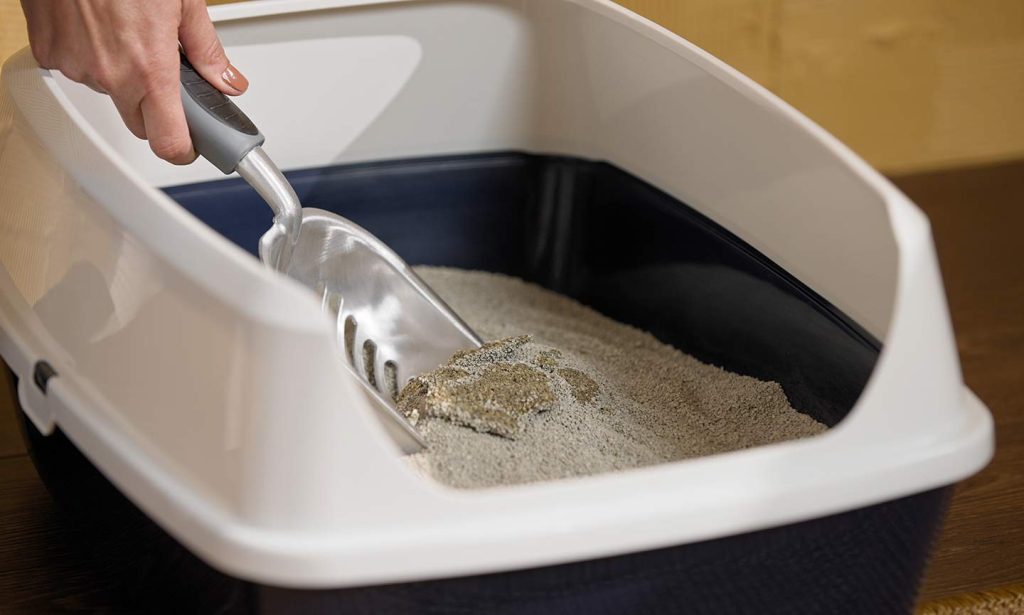
Understanding Your Cat’s Instincts
To successfully train your cat to use a litter box, it’s imperative to tap into their natural instincts. Cats are clean animals by nature, typically preferring to bury their waste. This behavior stems from their ancestral survival tactics, and understanding this can help you create an inviting and effective littering environment. Here, we’ll detail various aspects to enhance your cat’s litter box experience.
Establishing the Right Environment
The first step in litter box training is to create an environment that aligns with your cat’s instinctual preferences. The following factors are essential:
- Multiple Boxes: If you have multiple cats, the general rule of thumb is to have one litter box per cat, plus one extra. This prevents territorial disputes and allows each cat to have access to a clean bathroom.
- Box Size: The size of the litter box can significantly influence your cat’s comfort level. Ensure that the box is large enough for them to turn around and dig in comfortably. A box that is too small can dissuade them from using it.
- Type of Box: Closed litter boxes can provide privacy and control odors, but some cats prefer the openness of an uncovered box. Experiment with both styles to see which your cat prefers.
Choosing the Right Litter
Selecting the right type of litter is another critical component. Here are factors to consider:
- Texture: Cats have a keen sense of touch and might gravitate towards finer-textured litters that are softer under their paws. Some cats appreciate clumping litter that makes cleaning easier for you.
- Odor Control: Many litter brands offer added odor control, which can be especially beneficial in shared living spaces. Research products that offer natural odor-absorbing properties without harmful chemicals, as these can be safer for your furry friend.
- Trial and Error: Be open to experimenting with different types of litter to find the perfect match for your cat’s preferences. Transition them gradually to avoid overwhelming their senses.
Establishing the right environment and selecting suitable litter is crucial, but there’s more to smooth litter box training. It’s vital to monitor your cat’s behavior closely. If they consistently avoid the litter box, it might indicate underlying issues such as stress, health problems, or dislike of the litter type.
Monitoring Health and Behavior
Sometimes, resistant behavior toward using the litter box can point to bigger issues. Here are some signs to watch out for:
- Frequent Accidents: If your cat is urinating or defecating outside the litter box, take this as a sign of distress. Health issues, such as urinary tract infections, can often manifest through such behavior.
- Changes in Appetite: A sudden change in your cat’s eating habits can indicate stress or discomfort. Watch for other signs of illness such as lethargy or excessive grooming.
- Vocalizations: Cats may vocalize more when they are stressed or uncomfortable. Pay attention to their sounds, as they can provide clues about their emotional and physical state.
As you embark on this journey of training your cat to use the litter box, remember that patience and understanding are key. By establishing a suitable environment and being mindful of your cat’s well-being, you can foster a successful litter box experience for both you and your furry friend.
Understanding Your Cat’s Behavior
It is essential to grasp the nuances of feline behavior when training your cat to use a litter box. Cats are naturally inclined to bury their waste, making them receptive to this method. Observing their instinctual habits can help in transitioning them seamlessly to a litter box. Look for signs that your cat may need to relieve itself, such as sniffing around or scratching.
Choosing the Right Litter Box
Selecting a litter box that suits your cat’s needs is critical for successful training. There are different types available, from covered boxes to those with higher sides. Cats generally prefer boxes that are spacious and easily accessible. The choice of litter also matters; many cats favor unscented clumping litter, as it resembles the natural ground they would typically use.
| Advantages | Details |
|---|---|
| Instinctual Burying | Cats naturally seek to bury their waste, making litter training compatible with their instincts. |
| Convenience for Owners | Using a litter box simplifies clean-up, improving both hygiene and comfort for pet and owner. |
Establishing a Routine
Establishing a consistent routine is paramount. Take your cat to the litter box frequently, especially after meals, naps, or playtime. Consistency helps reinforce the behavior and builds a pattern that your cat can learn from. Remember that patience is vital in this stage; it may take some time for your cat to adapt fully.
Positive Reinforcement Techniques
Utilizing positive reinforcement can significantly enhance the training process. Reward your cat with treats or affection immediately after they use the litter box. This will encourage them to repeat the desired behavior. Avoid punishment, as it can instill fear and confusion.By understanding your cat’s natural behaviors, choosing the right equipment, and implementing a steady routine with positive reinforcement, you can ensure a successful transition to using a litter box. Happy training!
Implementing Effective Training Techniques
Now that you’ve established the right environment and chosen the appropriate litter, it’s time to focus on implementing effective training techniques. Cats are intelligent creatures, and with the right strategies, you can guide them to use the litter box with ease.
Positive Reinforcement
One of the most effective methods of training your cat is through positive reinforcement. Rewarding desired behaviors helps reinforce those actions over time. Here are some strategies to consider:
- Offer Treats: Whenever your cat successfully uses the litter box, offer a small treat immediately afterward. This will help them associate the litter box with positive outcomes.
- Praise and Affection: Cats are responsive to verbal praise and affection. A simple “good job!” or gentle petting can go a long way in encouraging them to use the litter box.
- Maintain Consistency: Consistency is key in any training program. Ensure that you always respond the same way when they use the box correctly. Over time, this builds a strong positive association.
Establishing a Routine
Creating a routine can significantly aid in successful litter box training. Cats thrive on predictability, so following a consistent schedule can make a big difference. Consider these tips:
- Regular Feedings: Feeding your cat at the same times every day will lead to regular elimination patterns. Pay attention to after-meal behaviors; cats often have the urge to use the litter box shortly after eating.
- Frequent Litter Box Access: Ensure your cat has easy and frequent access to the litter box, particularly after meals and naps. This is when they are most likely to need it.
- Time for Exploration: Allow your cat time to explore the box after introducing it. Cats are inherently curious, and giving them a chance to investigate the litter can facilitate acceptance.
Dealing with Setbacks
Even with the best training techniques, setbacks may occur. Cats can be unpredictable, and understanding how to troubleshoot problems is vital:
- Clean Messes Thoroughly: If accidents happen outside the litter box, clean the area thoroughly to eliminate any lingering scents. Cats may return to places that smell like their waste, so using enzymatic cleaners can be beneficial.
- Reassess the Setup: If your cat begins to avoid the litter box, it may be time to reassess the setup. Check for cleanliness, box placement, and litter type. A thorough evaluation can uncover previously overlooked issues.
- Consider Stressors: Changes in the household, such as new pets, moving to a new home, or changes in routine, can create stress that may affect litter box habits. Pay close attention to your cat’s emotional state and adjust the environment as needed.
Training your cat to use the litter box is a journey that requires dedication, observation, and adaptability. By employing effective training techniques and being attuned to their instincts, you can create a harmonious litter box experience that benefits both you and your feline friend.
Understanding Litter Box Training
Successfully training your cat to use a litter box is an effort that can lead to a more harmonious coexistence between you and your feline friend. By fostering a clear understanding of your cat’s behavior and adapting your training techniques accordingly, you can create an inviting environment that promotes good habits. The cornerstone of effective litter box training is the use of positive reinforcement, which can include treats, praise, and gentle encouragement whenever your cat uses the box correctly. For instance, if your cat eliminates in the litter box, rewarding them immediately with a small treat or affectionate petting can reinforce this behavior.
Establishing a predictable routine is equally important. Cats thrive on consistency, so try to keep feeding times and litter box access on a regular schedule. This helps your cat understand when to expect access to the litter box and can lead to more successful training sessions. When introducing a litter box, observe your cat closely; they may show specific behaviors prior to needing to go, such as scratching at the ground or sniffing around. Being patient and observant during this process can make a significant difference.
Individual Needs and Adaptability
As you navigate this rewarding journey, it is crucial to acknowledge that every cat is unique. Some may take to the litter box effortlessly, while others might be more resistant. This variability means that being flexible and responsive to your cat’s individual needs is vital in addressing any challenges that arise. For example, if a cat avoids the litter box, it may be helpful to explore different types of litter or box designs that suit their preferences. Cats often exhibit a preference for certain textures or scents, which can significantly impact their willingness to use a litter box.
In the event of setbacks, consider reevaluating your approach. Perhaps your chosen location for the litter box is too noisy or inconveniently placed. If the problem persists, additional resources tailored to specific issues—such as behavioral trainers or online communities of cat lovers—can provide valuable insight and support. Utilizing these resources can offer you strategies to acclimate your cat and establish desirable behavior patterns.
With consistent dedication and love, litter box training can evolve from a daunting task into a rewarding experience that transforms your living space. Empower yourself with knowledge and strategies to ensure a positive outcome. Furthermore, remember that expert help is always available, whether through professional advice or by connecting with fellow cat enthusiasts. By taking these steps, you will not only foster a cleaner environment but also fortify the bond with your beloved feline companion.