Understanding the Pet Adoption Process: A Step-by-Step Guide for Future Owners
Understanding the Pet Adoption Process
The journey to bringing a pet into your home is filled with excitement, but it also requires careful consideration and planning. The pet adoption process can be a deeply fulfilling experience, as it contributes to the welfare of animals in need while allowing you to find a loving companion. Key steps in this process ensure that both the adopter and the pet are suited to each other, fostering a happy environment for all involved.
Researching Animal Shelters
The first step in your adoption journey is to research local animal shelters and rescue organizations. Each facility has unique philosophies and policies regarding pet adoption. For instance, some may prioritize certain breeds or ages, while others focus on specific medical histories of their animals. Websites like Petfinder or local rescue Facebook groups can help you discover nearby shelters and their available pets. Additionally, visiting in person can offer a firsthand experience of the shelter’s environment and care practices.
Understanding Adoption Policies
Every shelter has different adoption policies that dictate what is required for the adoption process. Familiarize yourself with these policies by reviewing their websites or calling to ask questions. Common requirements may include filling out an application, providing references, or attending an interview. Certain shelters might have age restrictions on pet owners or require a home visit before approving an adoption. Understanding these policies can help you prepare the necessary documents and avoid surprises down the line.
Meet and Greet
Once you’ve narrowed down your choices, the next phase involves a meet and greet with potential pets. This is an essential step as it allows you to interact with the animals in a controlled setting. Pay attention to how the animal behaves with you and assess their energy levels, temperament, and even quirks. Ask shelter staff questions about the pet’s background, behavior, and care requirements. This interaction will help you gauge if a specific animal fits your lifestyle, especially if you have children or other pets at home.
Application Process
The application process is typically straightforward but requires thoroughness. You may need to fill out an extensive form, which will often include questions regarding your living situation, experience with pets, and your financial readiness to take care of an animal. Some shelters also conduct interviews to ensure that you are genuinely ready for the responsibility. This stage is not only about assessing you as a potential owner but also reflects the shelter’s commitment to finding the best homes for their animals.
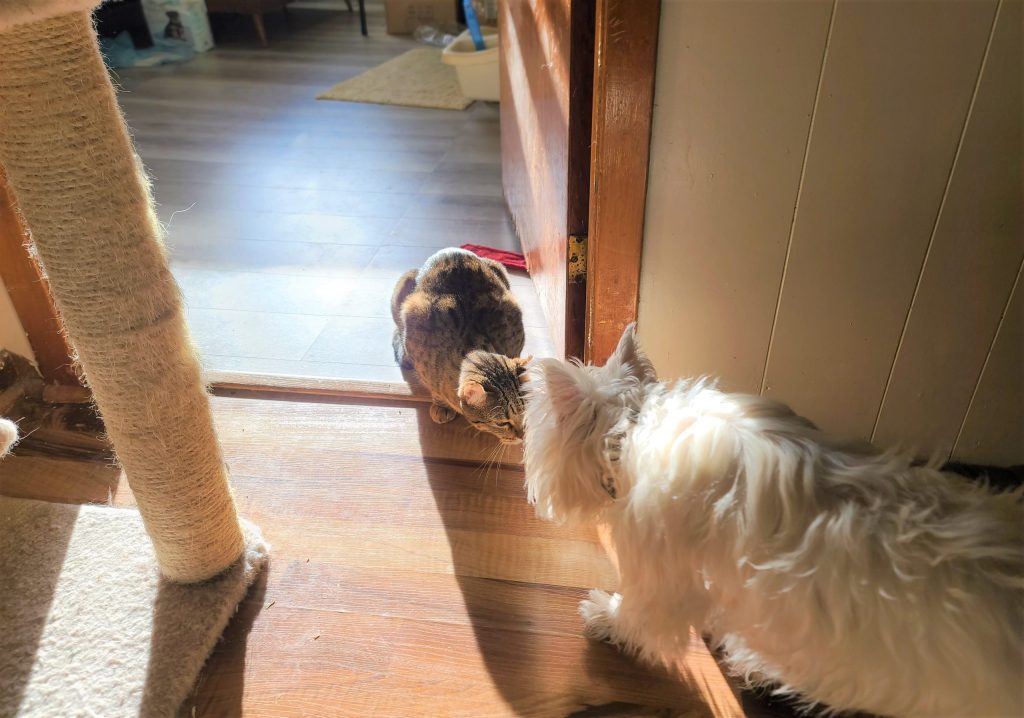
As you prepare for the arrival of your new pet, remember that adopting an animal is a long-term commitment. By understanding the pet adoption process, you can create a nurturing space for your companion while aiding in the quest to find forever homes for animals in need. Each step of this journey is essential and contributes to the overall welfare of countless pets waiting for loving families. Embrace this chance to transform your life and theirs through pet adoption.
The Initial Steps to Adoption Success
Embarking on the pet adoption process requires a commitment to understanding what it takes to provide a lasting and loving home for your new companion. Before diving in, it is critical to reflect on your lifestyle and the specific needs of different pets. Evaluating whether you are ready to adopt can help set a positive trajectory for both you and the animal. Here are some essential considerations
Assessing Your Readiness
Before formally starting your journey, take some time to assess your readiness to adopt a pet. This involves not only evaluating your living conditions but also understanding the responsibilities that come with pet ownership. Ask yourself the following questions:
- Do you have enough time and energy to dedicate to daily care and exercise?
- Are you financially prepared for food, regular vet visits, and potential emergencies?
- Are you willing to commit to a long-term relationship, with most pets requiring care for 10 years or more?
- Do you have a pet-friendly living environment, or are there restrictions where you live that could affect ownership?
- How would a pet fit into your current lifestyle and family dynamics?
By answering these questions, you can begin to paint a clear picture of what kind of pet—age, size, breed—would be the best match for your life. It’s crucial to be honest with yourself in this assessment, as mismatches can lead to heartbreak for both you and the animal.
Choosing the Right Type of Pet
Different animals come with varying levels of care and companionship. Understanding the differences can help ensure that you choose the right pet for your household. For instance:
- Dogs: Known for their loyalty and companionship, dogs generally require more attention, training, and exercise.
- Cats: Often more independent, cats may require less intensive care but still thrive on interaction and stimulation.
- Small animals: Pets like rabbits, guinea pigs, or hamsters can be great for those seeking a lower-maintenance option, but they still need proper care and socialization.
- Birds: Birds can be social companions, but their care needs can vary significantly between species; some require extensive interaction.
Once you’ve determined the kind of pet that fits your lifestyle, you can move forward to find your perfect match. This stage is crucial as selecting a companion that aligns with your environment will set you on a smoother path in the adoption process.
In summary, recognizing your readiness for pet ownership and understanding the type of animal that suits your lifestyle are essential groundwork in the pet adoption process. These initial steps are vital not only for personal preparation but also for ensuring a harmonious future with your new furry friend. Following these guidelines will help establish a strong foundation as you delve deeper into the adoption journey, paving the way for a rewarding companionship.
Understanding the Pet Adoption Process: A Step-by-Step Guide for Future Owners
As potential pet owners navigate the path to adopting a furry friend, it’s crucial to understand the various steps involved in the pet adoption process. This journey is not just about finding a pet but also about ensuring readiness to provide a loving and supportive home. Here’s a detailed breakdown of what to expect during the adoption process.
Researching and Choosing the Right Pet
Before stepping into an adoption center, it’s essential to reflect on the type of pet that suits your lifestyle. Different animals have varying needs, temperaments, and maintenance requirements. Researching breeds, sizes, and characteristics can significantly aid in making an informed decision. Consider factors such as activity level, grooming needs, and potential health issues. Resources like animal shelters and breed-specific rescues often provide insights that are incredibly beneficial before making a choice.
The Application Process
Once you have a clear understanding of what type of pet you want to adopt, the application process begins. This often entails filling out detailed forms where you’ll need to provide personal information and details about your living situation. Animal shelters typically assess your suitability by evaluating your experience with pets, home environment, and commitment to pet care. A thorough application not only asserts your dedication but also assists shelters in matching you with the right animal.
Interviews and Home Visits
After submitting your application, many organizations conduct interviews or home visits as part of their assessment to ensure the well-being of the animal. This is an excellent opportunity to discuss any questions or concerns that you may have about the adoption process. Engaging with shelter staff can also enlighten you about the specific needs and behaviors of various pets.
Adoption Fees and Financial Considerations
It’s essential to be aware of the financial responsibilities that come with pet ownership. Adoption fees vary based on the organization and can range from a nominal sum to more significant amounts that may include vaccinations, spaying/neutering, and microchipping. Understanding these fees upfront is vital for budgeting for your new companion.
Bringing Your New Pet Home
Once you complete the necessary steps and are approved, the final phase is welcoming your new pet into your home. Preparation is key – ensure your space is ready with essentials such as food, a comfortable bed, toys, and a safe environment for exploration. This transition is crucial for the mental well-being of your pet, as they adjust to their new surroundings. It may take time for them to feel secure, so patience and understanding are fundamental during this period.
| Advantage | Description |
|---|---|
| Increased Awareness | Understanding the adoption process educates future owners about pet responsibility. |
| Support Networks | Engaging with shelters creates a support system, helping owners learn effective care strategies. |
Staying informed and prepared makes the pet adoption experience both rewarding and seamless for future owners. It lays the foundation for a long-lasting relationship filled with joy and companionship.
Navigating the Adoption Process
Once you have assessed your readiness and identified the right type of pet for your lifestyle, the pet adoption process moves into the exciting and sometimes challenging phase of finding your new companion. This stage can be both rewarding and intricate; therefore, understanding each step ahead can help streamline your experience.
Researching Adoption Agencies and Shelters
The first step in this phase is to research adoption agencies and shelters in your area. This can include local animal shelters, rescue groups, and even breed-specific organizations. Each venue may have different adoption criteria, fees, and processes, so take the time to review their websites and reach out to them directly for any specific questions. For instance, the American Society for the Prevention of Cruelty to Animals (ASPCA) is a reputable source for guidance and features an extensive network of shelters across the United States.
Visiting shelters and attending adoption events allows you to gain valuable insights into the animals, their care, and the overall environment of the facility. Observing how staff interact with animals can provide a sense of how well the pets are treated and how the shelter operates.
Application Process
Once you have found a potential pet, the next step is the application process. This typically involves filling out an adoption application that will include questions regarding your living situation, work schedule, and experience with pets. Be prepared to provide references, and, in some cases, undergo a background check. Many shelters also have “meet and greet” sessions, where you can interact with the animal to see if you connect well.
It’s essential to be honest and thorough in your application. Shelters want to ensure their animals go to loving homes where they will thrive. Some shelters even conduct home visits to confirm that your environment is suitable for a new pet. Consider this process an opportunity to showcase your commitment to the well-being of a future furry friend.
Fees and Additional Costs
Adoption fees can vary greatly, often dependent on the type of pet, age, and whether the animal has been spayed or neutered. In many cases, the fees cover vaccinations, microchipping, and sometimes a health assessment. Understanding these costs is vital when budgeting for your new pet. For instance, according to the ASPCA, the average cost of pet ownership can range from $700 to $2,000 annually, depending on factors such as veterinary costs, food, grooming, and other supplies.
Additionally, consider the potential for unexpected expenses that can arise during your pet’s lifetime, such as emergency vet visits and special dietary needs. Planning for these costs can help ensure that you are financially prepared for the responsibilities of pet ownership.
Preparing Your Home
After your application is approved, it’s time to prepare your home for your new arrival. This includes purchasing essential supplies such as food and water dishes, food, a bed, toys, and litter boxes for cats. It’s essential to pet-proof your home to create a safe environment. This can involve removing toxic plants, securing loose wires, and ensuring that any small items that can be swallowed are out of reach.
Finally, create a designated space in your home where your new pet can feel comfortable as they adjust to their new environment. This space should be quiet and free from excessive foot traffic, allowing your pet to acclimate at their own pace.
By meticulously navigating through the adoption process with thorough research, diligent preparation, and a commitment to the responsibilities of pet ownership, you equip yourself to build a fulfilling and lasting relationship with your new pet.
Conclusion
As you embark on the journey of pet ownership, understanding the pet adoption process is crucial to ensure a seamless transition for both you and your new companion. The path to adopting a pet is not merely about choosing an animal; it is about making a lifelong commitment to care for and love a living being. By conducting thorough research on local shelters and adoption agencies, you will not only find a pet that fits your lifestyle but also gain insights into the ongoing needs of your future furry friend.
Completing the adoption application honestly reflects your dedication to responsible pet ownership. Remember that every step, whether it’s the financial considerations or preparing your home, contributes to creating a nurturing environment for your new pet. Financial readiness isn’t just about affording adoption fees; it encompasses budgeting for unforeseen costs that may arise over your pet’s lifetime, ensuring you’re equipped for the challenges that come with pet care.
Ultimately, adopting a pet is an act of compassion and responsibility. It connects you to a community of animal lovers who share the same goal of providing loving homes to those in need. Armed with the knowledge from this guide, you are now better prepared to navigate the complexities of the adoption process. Step forward with confidence, knowing that this endeavor is not just about giving an animal a home, but about welcoming a new member into your family—one that brings joy, affection, and companionship to your life.