Hunting Behavior in Pets: Exploring Natural Instincts in Dogs and Cats
The Fascinating World of Hunting Behavior in Pets
The hunting behavior of pets, particularly among dogs and cats, is not merely a relic of their wild ancestry; it is a complex interplay of instinctual drives that shape their interactions within our homes. These instincts manifest in various ways, which can enhance our understanding of their needs and contribute to their overall well-being. When we observe these behaviors closely, we can develop deeper connections with our furry companions, leading to more effective training and a fulfilling life for both pets and their owners.
Instinctual Hunting Techniques
Dogs and cats exhibit hunting behaviors that have evolved over thousands of years. While they belong to different biological families, their tactics reveal fascinating similarities:
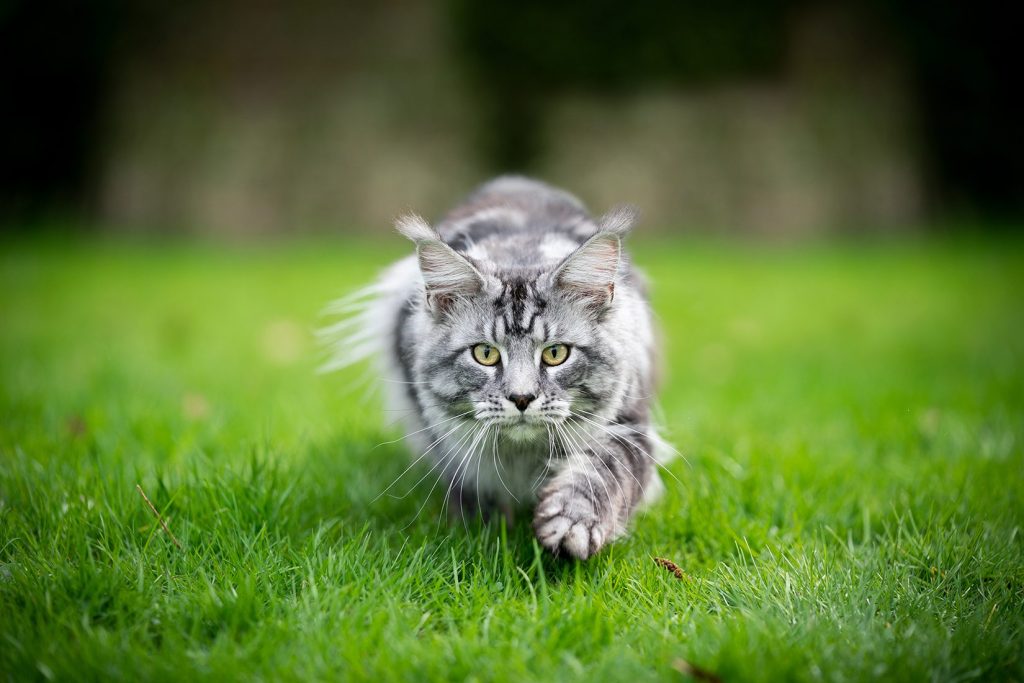
- Pouncing: This instinct is prominently displayed by cats, which are natural predators. When a cat crouches low, its body poised and ready, it epitomizes the essence of stealth. Once it spots its target, it launches itself forward, often with astonishing agility. This behavior can be observed in the playful antics of indoor cats, where they pounce on toys, mimicking the hunt for birds or small rodents.
- Chasing: Dogs are renowned for their spirited chases. This behavior allows them to instinctively pursue moving objects, whether it be a ball thrown during playtime or a squirrel scampering up a tree. Breeds like the Greyhound illustrate this chasing prowess through their remarkable speed and endurance, which were honed for chasing game in the wild.
- Pack Tactics: Some dog breeds showcase their ancestral pack dynamics through group hunting strategies. For instance, breeds like the Siberian Husky and the Alaskan Malamute often exhibit collaborative behaviors during play, highlighting their tendency to work alongside their ‘pack’— which includes their human family. This instinct not only reflects their heritage but impacts their social interactions and training needs.
The Implications of Hunting Behavior
Understanding your pet’s hunting behavior is more than an academic exercise; it has practical implications for pet care. By nurturing these instincts, pet owners can create enriched environments that foster physical and mental stimulation. For example, engaging dogs in activities like agility training or scent work can channel their instinct to chase and hunt in productive ways, making them happier and healthier.
Similarly, for cats, providing interactive toys that mimic the movement of prey can keep them engaged and satisfied. This understanding encourages a lifestyle that embraces their natural inclinations, strengthens the bond between pet and owner, and leads to better behavior overall.
Ultimately, exploring the hunting instincts of our pets opens a window to a richer life together, enhancing not only their experiences but also changing how we view our roles as caretakers and companions. Delving into these instinctual drives can enrich our understanding and lead to a harmonious existence with our beloved pets.
Understanding the Roots of Hunting Behavior
The hunting behavior found in our pets—dogs and cats alike—stems from their wild ancestry and is deeply ingrained in their genetic makeup. This behavior is not just a hobby or playful pastime; it is a manifestation of their instinctual need to hunt, chase, and capture prey. As domesticated animals, dogs and cats have adapted their instincts for survival and efficiency to thrive in our homes, yet the essence of these natural behaviors remains vivid.
Both dogs and cats exhibit distinct hunting traits that reflect their evolutionary backgrounds. Understanding these traits can enhance our bond with our pets and provide crucial insight into their motivations and needs. For instance, cats, being solitary hunters, emphasize stealth and patience in their approach. Their hunting strategy is marked by a methodical stalking of prey, allowing them to remain undetected until the moment of attack. Conversely, dogs, being pack animals, often pursue their targets in a more dynamic and energetic manner, showcasing their need for social interaction and teamwork.
The Impact of Breed on Hunting Instincts
Not all pets display the same hunting behaviors, as breed characteristics significantly influence how these instincts manifest. Here are a few examples:
- Herding Breeds: Dogs such as Border Collies and Australian Shepherds retain natural instincts for herding. Their behaviors often include chasing and gathering, reflecting their traits designed to control livestock. Encouraging activities that allow them to express these instincts can fulfill their mental and physical needs.
- Terriers: Breeds like Jack Russell Terriers were developed for their tenacity and determination in hunting small vermin. They may exhibit persistent digging, chasing, and pouncing behaviors that mimic their feral counterparts hunting for rodents.
- Sporting Breeds: Retrievers and spaniels, such as Labrador Retrievers and Cocker Spaniels, are known for their love of retrieving and chasing. Their hunting background makes them enthusiastic participants in activities like fetch and flyball, feeding directly into their instinctual preferences.
Understanding the unique traits of each breed can lead to more tailored care and training. By integrating activities that align with their instinctual drives, owners can foster healthier behaviors while offering outlets for their hunting instincts.
As we explore the diverse traits found within our canine and feline friends, it becomes evident that understanding their hunting behavior is essential for providing an enriching environment. Not only does this understanding improve their quality of life, but it also reshapes our perspective on what it means to be a responsible pet owner.
| Category | Description |
|---|---|
| Instinctual Behavior | Hunting is deeply embedded in the genetic makeup of both dogs and cats, driven by their predatory ancestors. |
| Social Dynamics | Understanding hunting plays a crucial role in understanding their social structures and interactions, whether solitary or pack-oriented. |
| Behavioral Manifestations | Observing how pets exhibit chasing, pouncing, and stalking behaviors can give insight into their mental health and well-being. |
| Environmental Enrichment | Enhancing your pet’s environment with challenges can fulfill their need to hunt, leading to happier, healthier pets. |
Exploring the instinctual behaviors associated with hunting reveals not only their primal urges but also provides valuable insights into their social interactions. Understanding these dynamics can guide pet owners in enriching their pets’ environments, allowing them to engage in play that mimics hunting, thus promoting physical and mental health. When we observe that special pounce or a focused stare, we unlock the deeper aspect of our pets’ innate behaviors, enriching our bonds with them. By acknowledging and facilitating these instincts, we embrace a more meaningful connection, ensuring that their natural needs are met while also enhancing their overall well-being.
The Role of Environment in Shaping Hunting Behaviors
The environment in which pets are raised can significantly influence their hunting behavior. Factors such as space, stimulation, and social exposure contribute to the development and expression of these natural instincts. For instance, a dog raised in an urban apartment may have limited opportunities to engage in traditional hunting behaviors, whereas a dog on a farm may have frequent exposures to chasing birds or tracking small animals.
Indoor cats often display their hunting instincts through play. Toys designed to imitate prey, such as feather wands and laser pointers, trigger their instinctual responses and provoke natural behaviors. Even simple items around the house can serve as toys—a crumpled piece of paper or a ball of yarn can elicit a cat’s exhilarating hunt. Owners can encourage these instincts by providing enriched environments that include climbing spaces and hidden treats, ultimately supporting the cat’s need for exploration and stimulation.
Meanwhile, outdoor access for dogs provides opportunities for them to engage in scent trailing, chasing, or retrieving. Regular outings to parks or trails not only fulfill their physical needs but also satisfy their mental cravings for exploration and hunting behaviors. For example, many dog parks are designed with agility equipment that mimics natural obstacles found in the wild, giving dogs a chance to exhibit their physical prowess and instinctual capabilities.
The Influence of Socialization
Socialization also plays a vital role in shaping hunting behaviors among pets. Dogs, in particular, are pack animals and thrive on social interactions—even in hunting scenarios. When engaged with other dogs or even human companions during play, these social experiences can enhance their hunting skills. A game of fetch with a group of peers can turn into a collective hunting experience, tapping into their instincts for cooperation and teamwork.
In contrast, social interactions with humans can help manage a cat’s more solitary hunting habits. Encouraging playtime that mimics hunting scenarios—like utilizing interactive toys—can satisfy their drive while strengthening the human-animal bond. Understanding the social dynamics at play could also be pivotal—observing how pets interact with one another can offer insights into their primal hunting instincts. For example, cats often showcase their “hunting” by pouncing on each other during play, refining their skills in a non-threatening manner.
Recognizing and Managing Unwanted Hunting Behavior
While hunting behaviors can be thrilling to observe, they may also lead to unwanted consequences, such as aggression towards small animals or destructive behaviors related to boredom. For example, a dog might chase after rabbits or a cat may pounce on household items, mistaking them for prey. Owners must recognize these instincts and manage them appropriately by providing appropriate outlets and strategies to curb aggressive tendencies.
Training plays an essential role in channeling these instincts positively. Techniques such as obedience training, agility courses, and nose work can engage pets mentally and physically without leading them to act on destructive impulses. Additionally, redirecting their energy into interactive play or designated toys can help manage their instincts constructively.
Overall, understanding how environmental factors, socialization, and training intersect with pets’ hunting behaviors offers a comprehensive view of their needs. Engaging in their natural instincts not only fosters a fulfilling lifestyle for our pets but also enhances the owner-pet relationship, cultivating deeper connections rooted in understanding and appreciation of their instincts.
Conclusion: Embracing Our Pets’ Hunting Instincts
In conclusion, the exploration of hunting behavior in pets, specifically dogs and cats, reveals a fascinating insight into their natural instincts. By recognizing the inherent traits that drive these behaviors, pet owners can create enriching environments that cater to their pets’ primal urges. Factors such as exposure to open spaces, stimulating play, and social interactions play essential roles in shaping these instincts. As we have discussed, engaging pets in ample outdoor activities or interactive play with tailored toys allows them to fulfill their natural hunting drives in safe and constructive ways.
Moreover, understanding the difference in how dogs and cats showcase their hunting instincts is critical for effective management. While dogs thrive on teamwork and social participation, cats often prefer solitary play that mirrors their natural behaviors. Addressing any unwanted hunting behaviors through educational training and positive reinforcement can significantly enhance the quality of life for both pets and their owners.
As guardians of these beloved animals, we hold the responsibility to provide outlets for their instincts, thereby fostering not only their well-being but also strengthening the bond we share with them. A deeper appreciation for their hunting instincts opens the door to a more harmonious pet-owner relationship. By embracing their natural inclinations, we can enrich their experiences drastically, leading to a happier, healthier life for our furry companions. For further understanding and enrichment activities, consider exploring resources that dive deeper into the behaviors of dogs and cats, and how best to nurture these instincts as vital aspects of their identities.