The Impact of Socialization on Cat Behavior: How to Raise Balanced Felines
The Intricate Bond Between Cats and Socialization
From the moment they are born, cats are deeply shaped by socialization, which influences their behavior and personality traits as they grow. The first few weeks of a cat’s life are particularly crucial; this is the time when they are most impressionable and receptive to new experiences. For cat owners, understanding these social dynamics is essential to fostering a home environment where their feline friends can thrive.
During the early stages of development, kittens that are exposed to a variety of stimuli—such as different people, sounds, and other animals—tend to develop essential life skills. These interactions cultivate a range of positive personality traits that contribute significantly to a cat’s overall well-being. For instance, well-socialized cats often exhibit:
- Confidence: Cats that are regularly exposed to diverse environments and interactions are less likely to develop anxiety. Socialization helps them navigate new experiences and challenges without fear.
- Affection: Frequent interactions with humans and other pets can lead to cats being more affectionate. They are often more tolerant of handling, which can encourage a stronger bond with their owners.
- Curiosity: A cat that has experienced different smells, sights, and sounds is likely to explore more. This innate curiosity eases anxiety and fosters problem-solving skills when faced with novel situations.
However, the opposite holds true for cats that have not received adequate socialization. Insufficient exposure can lead to a range of behavioral issues. For example:
- Aggression: Cats that are fearful or have had limited interactions may react defensively. Territorial behavior can manifest as aggressive displays towards other pets or even their owners.
- Fearfulness: Unsocialized cats may become easily startled or timid, often hiding at the slightest noise. This heightened fear can lead to difficulties in everyday life as they navigate their environment.
- Solitude: Cats that are not used to engaging with humans or other animals may prefer isolation. This preference can negatively impact their mental health, leading to issues such as depression.
Recognizing the significant role of socialization helps cat owners create a nurturing and balanced environment. Practical methods to enhance a cat’s social experiences include gradually introducing them to new people, varying their surroundings, and engaging in playful learning activities that pique their interest. Owners should also consider adopting another pet to provide companionship for their cat, fostering a more socially enriching atmosphere.
With a better understanding of socialization’s impact on feline behavior, owners are equipped to raise well-rounded and affectionate companions. The journey to improving a cat’s social skills is not just beneficial for the pet; it enriches the lives of their owners as well. Every cat has the potential to thrive in a considered social environment, ultimately leading to a more harmonious home for all.
Understanding the Socialization Process in Kittens
The process of socialization for kittens begins shortly after birth and extends into their formative weeks. This period, spanning from two to nine weeks of age, is often referred to as the “sensitive period” for socialization. During this time, kittens rapidly absorb information from their surroundings, interacting with their mother, littermates, and potential human caregivers. What occurs in these early weeks can set the tone for their behavior throughout their lives, influencing their adaptability and temperament.
Research indicates that kittens who receive positive social experiences during this crucial phase are significantly less likely to develop behavioral problems later on. For instance, animal behaviorists emphasize the importance of introducing kittens to a diverse array of situations. Exposure to various elements during this period can include:
- Different surfaces like carpets, tiles, and grass, allowing kittens to experience varying textures.
- Sounds from household items such as blenders, vacuums, and even classical music, helping to desensitize them to everyday noises.
- Interactions with people of different ages and temperaments, ensuring they are comfortable around both children and adults.
- Meeting other animals, whether it be dogs or fellow cats, to help them understand social cues and hierarchies.
This foundational socialization is not merely about avoiding future behavioral issues; it plays a pivotal role in developing a well-adjusted cat that can thrive in a home environment. The benefits extend beyond just eliminating aggression or fearfulness. For instance, well-socialized cats are often more capable of adapting to changes in their environment, such as moving homes or welcoming new family members, without exhibiting signs of distress.
Nevertheless, socialization must be approached carefully and thoughtfully. Flooding a kitten with stimuli can lead to overwhelming experiences that foster anxiety instead of confidence. It is crucial for owners to recognize the importance of paced introduction to new elements. This means gradually increasing the complexity of each experience and allowing the kitten to explore at their own pace. Veterinarians and animal behaviorists often recommend setting up a controlled environment where kittens can play and safely meet new friends—both feline and human—in a low-pressure setting.
Additionally, ongoing social exposure should not stop after the sensitive period. While the first few months are critical, continued engagement and interaction are essential. Owners can utilize routine activities, such as taking their cats on supervised outdoor excursions or introducing them to new toys that mimic the unpredictability of the outside world. Active involvement in a cat’s socialization process lays the groundwork for an enriched life, ultimately leading to a well-behaved and balanced feline companion.
The Role of Early Socialization
Early socialization is crucial in shaping a cat’s personality and behavior. Kittens are particularly adaptive during their first few months of life, a period when they are most receptive to new experiences. Exposing them to a variety of environments, sounds, people, and other animals helps in developing their confidence and social skills. When kittens are introduced to different experiences in a positive manner, they tend to grow into more balanced and well-adjusted adults.
Positive Interactions with Humans
Cats that are regularly socialized with humans are generally more affectionate and less fearful of people. Engaging in regular playtime, gentle handling, and positive reinforcement can familiarize your feline with human interaction. The incorporation of training games not only strengthens the bond between you and your cat, but it also builds their trusting nature, which is vital for their overall well-being. Remember, providing enriching experiences leads to reduced stress and anxiety levels in cats, building a healthier home environment.
Effective Socialization Techniques
For optimal socialization, there are various techniques one can adopt. Using a gradual exposure method allows cats to become accustomed to new experiences at their own pace. This can include incorporating strangers into their environment carefully and positively or slowly introducing them to new pets. Always prioritize reward-based training as it fosters a positive association, encouraging cats to explore new surroundings and relationships without fear.
Understanding and Respecting Feline Behavior
It’s essential to understand that not all socialization is the same; each cat has its unique personality. Some cats may prefer solitude over companionship, and that’s perfectly normal. Paying attention to your cat’s cues—body language and vocalizations—can significantly enhance the socialization process. Recognizing when they feel overstimulated or anxious can prevent possible behavioral issues later in life. Navigating this journey with patience will lead to raising a socially adept feline.
| Category | Advantages |
|---|---|
| Early Socialization | Promotes confidence and adaptability in various environments. |
| Positive Human Interaction | Enhances affection and reduces fear towards humans. |
| Effective Techniques | Utilizes gradual exposure to foster comfort in new experiences. |
| Respecting Behavior | Acknowledges individual needs, preventing stress and anxiety. |
The socialization journey for your feline is multidimensional and should be approached thoughtfully. Through the right strategies and understanding, you can nurture a balanced cat that thrives in your home environment while being well-adjusted to the world around them.
Long-Term Benefits of Socialization in Adult Cats
The significance of socialization stretches well beyond the early development stages of kittens. Understanding how these formative experiences translate into adulthood can provide valuable insights for cat owners looking to foster harmonious relationships with their pets. A well-socialized cat is not only more amiable but also exhibits fewer issues with aggression, anxiety, and overall behavioral problems.
According to a survey conducted by the American Society for the Prevention of Cruelty to Animals (ASPCA), socially adept cats tend to demonstrate more open and friendly behavior towards new people, which reflects their comfort in engaging with diverse stimuli. These friendly dispositions are vital, as they not only influence the cat’s relationship with their human family members but also become critical during potential interactions with other pets.
An intriguing phenomenon related to adult cat behavior is the concept of “stress-related disorders,” which can be linked to inadequate socialization in early life. Cats lacking exposure to various environments, sounds, and new individuals often struggle with excessive stress responses. For instance, a cat raised in isolation may turn to destructive behaviors, such as clawing furniture or excessive vocalization when faced with changes, such as moving to a new home or introducing a pet. Thus, early social experiences can significantly contribute to reducing these stress markers later on.
Additionally, studies show that well-socialized cats exhibit remarkable adaptability. For example, a 2021 study published in The Journal of Feline Medicine and Surgery found that cats who were introduced to new situations and people regularly were less likely to experience stress when faced with unexpected changes, such as a bustling household or traveling. These adaptable cats often display confident behaviors even in unfamiliar territories, making them better companions for families who enjoy adventure.
The Role of Positive Reinforcement
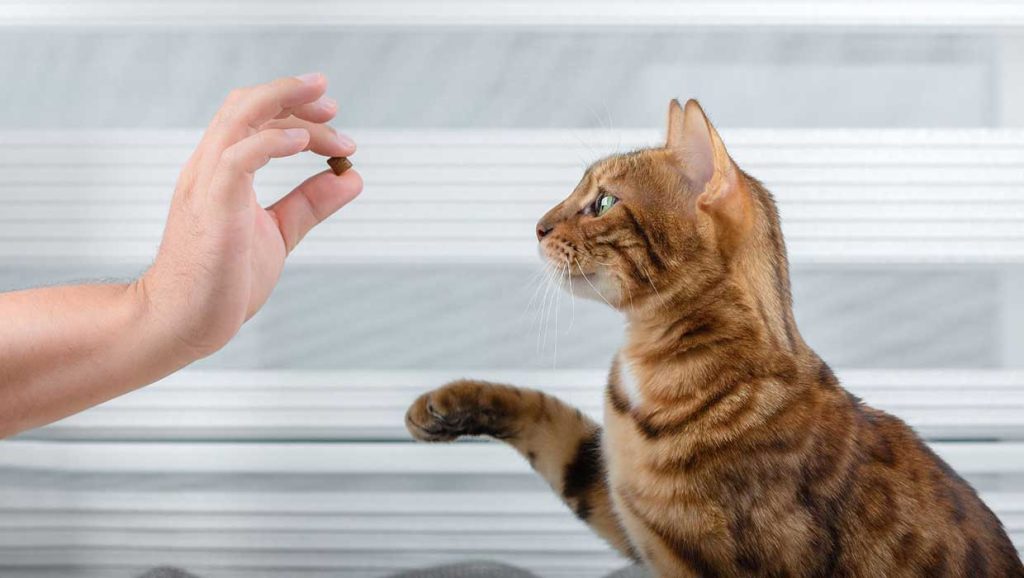
Positive reinforcement plays a pivotal role in nurturing a socially balanced feline. This approach can be implemented during both kittenhood and into adulthood. Utilizing treats, praise, or additional playtime when a cat displays desired behavior strengthens their understanding of social interactions. For instance, rewarding a cat for calmly encountering a new person or bravely exploring a new room helps build a foundation for future interactions.
Moreover, setting up playdates with other well-socialized cats can greatly enhance a feline’s social skills. According to the Feline Behavior Solutions, cats learn from observing interactions among their peers. Engaging in supervised play sessions can teach cats about body language and social cues, which are fundamental in establishing healthy friendships with other animals, thereby giving them tools for effective communication.
Tools for Continued Socialization
For cat owners eager to maintain their feline’s social prowess, there are several strategies to incorporate into daily routines. Providing interactive toys that require engagement, like puzzle feeders, not only stimulates a cat’s mind but can also encourage social behavior during play. Incorporating these simple yet effective tactics into standard cat care promotes an active social environment even for adult cats.
Additionally, taking the time to attend cat training classes can provide both owners and cats with insights that strengthen their bond and improve the feline’s social abilities. Various programs tailored for cats are available across the country, often focusing on behavioral training and building confidence in cats through structured activities. This commitment to ongoing socialization is vital for those aiming to fully develop their cat’s potential as a balanced and positive member of the household.
Conclusion: Nurturing Harmonious Felines Through Socialization
The journey to raising a balanced feline begins with the critical understanding of socialization’s profound impact on cat behavior. From the early days of a kitten’s life to the adult stages, the experiences and interactions a cat undergoes shape their temperament, adaptability, and overall happiness. By providing proper socialization, cat owners pave the way for their furry companions to emerge as well-rounded individuals, free from anxiety and behavioral issues.
As highlighted, the benefits of fostering social skills in cats extend into adulthood, translating into peaceful household dynamics, improved social interactions, and resilience in the face of change. The evidence suggests that cats who are accustomed to various settings and stimuli demonstrate lower stress levels, making them not only more friendly but also more capable of managing the inevitable challenges that arise in family life.
Moreover, strategies such as positive reinforcement and engaging in socialization activities remain crucial throughout a cat’s life. By integrating interactive play and training into their routines, owners can enhance their felines’ social skills, leading to positive outcomes in relationships with both people and other animals.
Ultimately, investing time and effort into the social development of our feline friends pays dividends in the form of joyful companionship and a healthier emotional state. As society increasingly recognizes the importance of animal welfare, understanding the vital role of socialization in cat behavior serves as a powerful reminder: a well-socialized cat is not just a pet, but a cherished member of the family.