How Animal-Assisted Therapy Can Improve the Mental Health of Their Owners
The Unique Bond of Humans and Animals
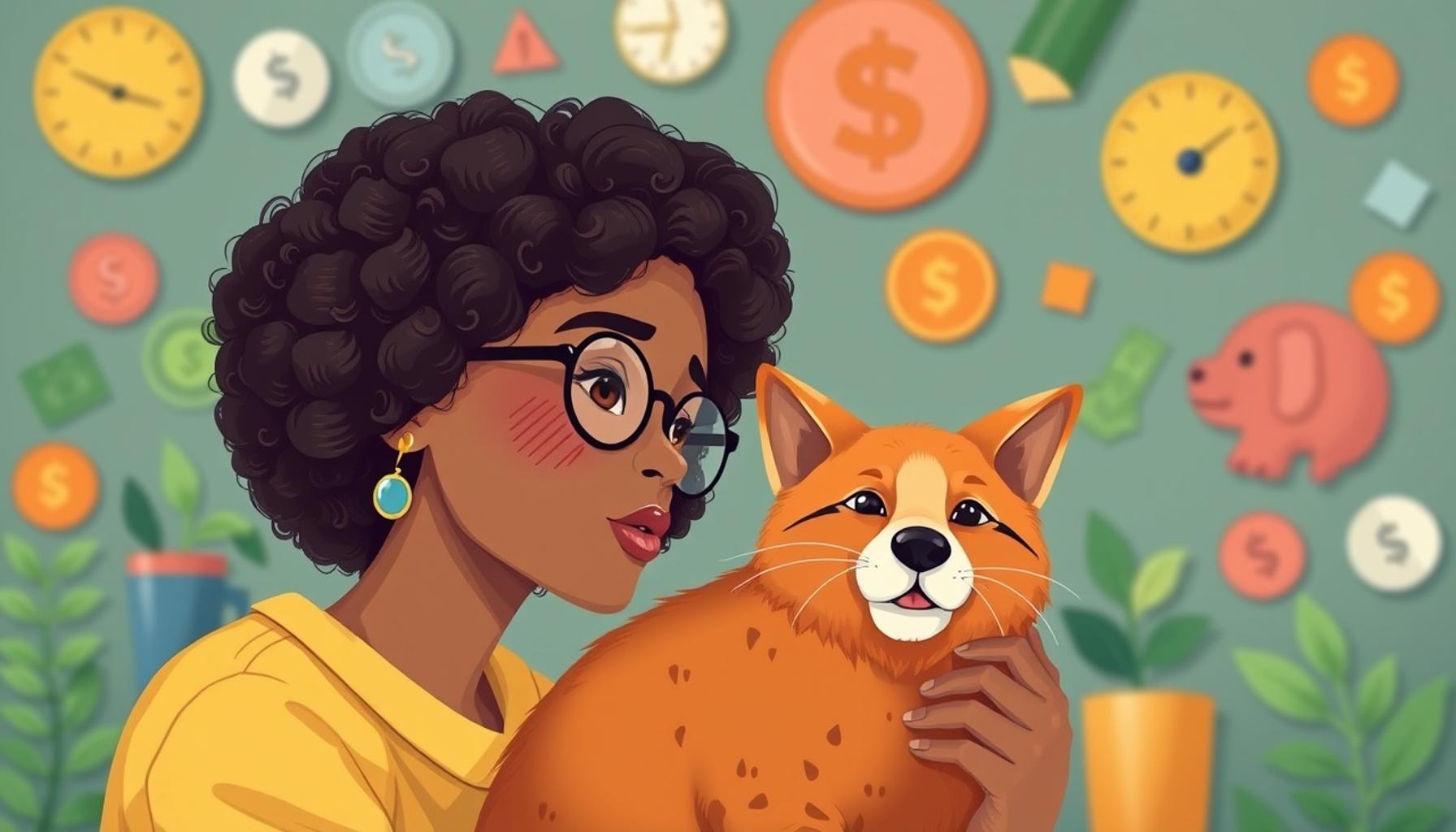
The connection between humans and animals is an age-old alliance, forged through companionship and understanding. In recent years, this relationship has been harnessed for therapeutic purposes, leading to the rise of animal-assisted therapy (AAT). This innovative approach marries the emotional support offered by pets with structured therapeutic goals, enhancing the overall mental well-being of participants.
How Animal-Assisted Therapy Works
Animal-assisted therapy involves the intentional inclusion of animals in therapeutic sessions. By facilitating interactions between patients and certified therapy animals, therapists can elicit emotional responses that might otherwise remain unexpressed. The gentle presence of a pet can create a safe space where individuals feel comfortable to open up about their challenges. Research indicates that the mere act of petting an animal can release oxytocin, known as the “love hormone,” which fosters stronger feelings of connection and empathy.
Benefits of Animal-Assisted Therapy
Numerous studies have highlighted the varied benefits of integrating animals into therapeutic settings. Here are some compelling evidence-based outcomes:
- Reduce Anxiety: Interacting with pets has shown to lower cortisol levels, which can mitigate feelings of anxiety. For instance, programs that allow anxiety sufferers to spend time with dogs have reported a significant reduction in panic symptoms.
- Enhance Social Interaction: Therapy animals can act as social catalysts. For example, children with autism often find it easier to communicate when they are engaged with a pet, which can help them form friendships and improve social skills.
- Boost Self-Esteem: Caring for animals instills responsibility and promotes a sense of purpose. Veterans with PTSD, for instance, have found that canine companions can lead to profound benefits in self-worth and personal empowerment.
These transformative impacts have led AAT to become a vital component of mental health treatment plans for a myriad of conditions, ranging from anxiety and depression to more severe disorders like PTSD. In various clinical settings across the United States, trained professionals are now incorporating therapy animals not only in hospitals and rehabilitation centers, but even in schools and community organizations.
Why This Bond is So Impactful
The question often arises: What is it about animal-assisted therapy that produces such significant results? The authenticity of the animal’s affection, coupled with its non-judgmental and unconditional support, creates an environment where healing can flourish. By understanding the dynamics of this bond, practitioners are discovering that the love and support of a four-legged friend can pave the way for improved mental health and an enriched life.

As interest in AAT continues to grow, the potential for integrating animals into holistic healing methods remains vast. The inviting energy of a pet not only calms the mind but also encourages individuals to take an active role in their mental health journey, further enhancing their overall happiness.
The Therapeutic Power of Connection
At the heart of animal-assisted therapy (AAT) lies the fundamental principle that the bond between humans and animals can lead to remarkable improvements in mental health. This connection is not merely anecdotal; scientific studies have substantiated its effectiveness across diverse populations. By examining the physiological and psychological effects triggered during interactions with therapy animals, we can understand why AAT is gaining traction as a legitimate therapeutic practice.
The Neurochemistry of Interaction
Interactions with therapy animals activate essential neurochemical responses within humans. For example, studies have shown that simply engaging in physical contact, such as petting a dog or cat, leads to elevated levels of serotonin and dopamine—neurotransmitters critical for mood regulation. The reduction in stress hormones, including cortisol, further emphasizes the calming effects that animals can provide. These physiological changes set a favorable foundation for improved mental health, allowing individuals to navigate their struggles more effectively.
Personal Stories and Successes
Personal anecdotes from those who have experienced AAT convey the profound impact the therapy can have on mental health. For instance, many veterans suffering from PTSD have reported that therapy dogs have enabled them to regain confidence and lead fulfilling lives. One veteran articulated, “My dog doesn’t just listen; he understands and offers a companionship that has helped me face my fears daily.” The companionship acts as a stabilizing force, nurturing resilience and facilitating healing.
Similarly, children with behavioral issues often exhibit enhanced emotional regulation when involved with therapy animals. The American Psychological Association has highlighted cases where children facing significant challenges become more engaged and expressive when interacting with therapy animals, breaking down barriers that previously hindered traditional therapies.
A Wider Application and Acceptance
As AAT becomes more recognized, its applications are expanding within healthcare settings. Various facilities, from hospitals to elder care homes, are now incorporating therapy animals to enhance patient experiences. Research from the University of Maryland Health found that patients who interacted with therapy animals during recovery displayed reduced levels of anxiety and increased satisfaction with their care. This growing acceptance among professionals indicates the shifting landscape of mental health treatment, favoring holistic approaches that emphasize relational wellbeing.
The Human-Animal Interaction Paradigm
- Reducing Loneliness: Many individuals report feelings of isolation, particularly during challenging times. AAT provides companionship that can reduce feelings of loneliness and despair, offering a vital emotional anchor.
- Encouraging Physical Activity: Pets necessitate exercise and outdoor time, which inherently promotes fitness and mental clarity, boosting overall mental health.
- Fostering Routine: Caring for a therapy animal fosters a structured routine, contributing to stability in the lives of individuals often grappling with mental health challenges.
Understanding how AAT enhances mental health opens the door to a world where more individuals could benefit from the unconditional love and support that animals provide. As AAT continues to evolve, it invites us to consider how this unique bond can transform lives, ultimately paving the way for improved mental wellbeing. Each interaction becomes a step toward healing, showcasing the power of connection between humans and animals.
| Advantages of Animal-Assisted Therapy | Impact on Mental Health |
|---|---|
| Emotional Support | Animals provide a constant source of companionship, reducing feelings of loneliness and depression. |
| Increased Physical Activity | Engaging with pets encourages regular exercise, which is proven to elevate mood and reduce anxiety. |
| Stress Reduction | Interacting with animals has been shown to significantly lower stress hormones in the body. |
| Social Interaction | Pets can act as bridges for socializing, helping owners to form connections with others. |
| Unconditional Love | The unconditional affection of pets fosters a sense of self-worth and belonging. |
Animal-Assisted Therapy (AAT) serves as an innovative approach to enhancing mental health, especially for individuals facing challenging emotional and psychological conditions. It encapsulates the intricate bond between humans and animals, channeling this connectivity into therapeutic outcomes. By incorporating therapy animals into treatment plans, mental health professionals harness the unique benefits that pets provide, creating an enriching environment for healing and recovery. Research indicates that the presence of therapy animals can significantly enhance traditional treatment methods, often leading to improved outcomes in emotional resilience and overall well-being. As more studies unveil the substantial benefits of AAT, such as reduced symptoms of PTSD and anxiety, the therapy is becoming increasingly recognized as a vital component in holistic mental health strategies. In summary, AAT illustrates the profound impact that animals can have on our lives, offering not just companionship, but also a pathway to improved mental health through various therapeutic modalities.
The Impact of AAT on Diverse Populations
Animal-assisted therapy (AAT) is proving to be a versatile intervention that can resonate with a broad spectrum of individuals facing mental health challenges. Beyond its benefits for veterans and children, AAT has reached numerous underserved populations, including the elderly and individuals with developmental disabilities. These sessions often facilitate emotional expression in ways that traditional therapy may not achieve, highlighting the therapeutic adaptability of animals.
The Elderly and Cognitive Decline
As people age, they may face increasing isolation and cognitive decline, leading to a heightened risk of depression and anxiety. AAT has shown significant promise in nursing homes and assisted living facilities, where therapy animals provide companionship and stimulate cognitive function. The Journal of Gerontological Nursing published a study illustrating that seniors engaged with therapy animals showed reduced symptoms of depression, improved mood, and even strengthened their social connections. One resident of a senior living facility poignantly noted, “The joy our therapy dog brings is like a light in the darkness of loneliness.” This highlights the transformative impact that AAT can have on elderly individuals striving for mental wellness.
Effect on Developmental Disabilities
Children and adults with developmental disabilities often struggle with communication and social integration. AAT creates a non-judgmental environment where they can express themselves freely. Research from the University of California, Davis revealed that therapist-led sessions incorporating therapy animals resulted in enhanced social skills and decreased anxiety among children with autism spectrum disorder. One parent shared, “My child, who rarely engaged with others, found a voice through our therapy dog. He learned to bond and share, something that felt once impossible.” This emphasizes the ability of therapy animals to foster social relationships, leading to improved mental health outcomes.
Enhancing Therapeutic Processes
In conventional therapeutic settings, patients may be hesitant to disclose their feelings. AAT encourages vulnerability and openness, making it easier for individuals to share personal challenges and experiences. One therapist in a psychiatric facility noted, “The presence of therapy animals helps establish trust, making clients feel more comfortable discussing deep-seated issues.” This trust not only facilitates deeper connections but also often leads to more effective therapeutic outcomes—a crucial consideration in the journey toward mental health recovery.
Broader Implications for Mental Health Care
As the body of research supporting AAT continues to grow, mental health professionals are recognizing the profound implications for treatment strategies. According to a report from the Pew Research Center, nearly 66 percent of Americans believe that integrating animals into therapy could significantly enhance psychological treatment. Notably, this perception shift reflects an increasing demand for innovative approaches in the healthcare landscape, as communities seek to leverage the therapeutic potential of animals.
- Cost-Efficiency: Incorporating therapy animals into treatment plans can yield substantial costs savings for healthcare systems, as improved mental health can lead to decreased hospitalization rates and lower medication expenses.
- Accessibility of Therapy: AAT presents a more approachable form of therapy, which can attract individuals who may be resistant to traditional mental health services.
- Community Engagement: AAT can foster collaboration between healthcare providers and local animal organizations, enhancing community cohesion and resource accessibility.
In the context of a rapidly changing healthcare environment, AAT stands out as a promising avenue for addressing mental health issues. By recognizing and amplifying the bond between humans and animals, we begin to unlock the doors to healing and resilience, highlighting the potential for transformative change in mental health treatment.
Conclusion: Embracing the Healing Power of Animals
The integration of animal-assisted therapy (AAT) into mental health treatment is revolutionizing how we approach psychological well-being. As highlighted throughout this article, AAT offers profound benefits across various populations, from the elderly battling isolation to children with developmental disabilities seeking social engagement. The unconditional love and non-judgmental presence of therapy animals create an environment where individuals can feel heard and valued, breaking down barriers that may hinder traditional therapeutic methods.
The findings from reputable studies underscore the effectiveness of AAT in improving mood, enhancing communication skills, and fostering social connections. Moreover, the growing acceptance of AAT among healthcare professionals indicates a shift towards more holistic and innovative treatment strategies. As the Pew Research Center notes, a significant majority of Americans recognize the potential of animals in therapeutic settings, calling for a paradigm shift within mental health care.
Furthermore, AAT can promote cost-efficiency in treatment, making mental health support more accessible to those overlooking traditional therapies out of fear or stigma. Given the multifaceted advantages this approach offers, it is essential for mental health organizations to collaborate with local animal therapy programs, thereby ensuring that varied communities benefit from such profound therapeutic interventions.
As we move forward in recognizing the healing bonds between humans and animals, embracing AAT could unlock new pathways to mental wellness, resilience, and community connection. By nurturing these vibrant interactions, we invite a brighter, more compassionate future for mental health care in the United States.