The Importance of Green Space: Integrating Minimalism in the Organization of Gardens and Outdoor Areas
The Irreplaceable Benefits of Green Spaces in Urban Living
As cities continue to expand, the necessity for green spaces has become glaringly evident. These vital areas serve not merely as aesthetic enhancements to urban environments but as essential components that significantly influence our quality of life. In the hustle and bustle of daily routines, a breath of fresh air in a park or garden can provide a much-needed respite, reminding us of nature’s enduring presence amidst urban chaos.
Exploring the key advantages of green spaces reveals layers of benefits that are crucial for both mental and physical well-being. For example:
- Mental Health Improvement: Numerous studies indicate that spending time in green areas can effectively reduce anxiety and depression. A report by the American Psychological Association highlighted that individuals who regularly engage with nature have lower stress levels, making parks and nature trails essential for urban dwellers.
- Community Engagement: Green spaces are social hubs where people from diverse backgrounds can connect and interact. Community gardens, for instance, not only provide fresh produce but foster relationships among neighbors, creating a sense of belonging and community spirit.
- Environmental Benefits: Urban green spaces help combat pollution by filtering harmful pollutants and producing oxygen. Furthermore, they act as habitats for various species, thereby supporting urban biodiversity. This is crucial in cities like Chicago, where initiatives have been implemented to increase green rooftops and urban gardens to enhance city environments.
The minimalist approach to green space design further enhances their benefits by emphasizing simplicity and functionality. This design philosophy advocates for well-thought-out layouts that prioritize the user experience. Key features to consider include:
- Natural Materials: Utilizing local wood, stone, and indigenous plants helps create a harmonious and organic environment, facilitating a connection between the landscape and its inhabitants.
- Open Spaces: Designing open areas allows for both movement and serene contemplation. For instance, large grassy fields can accommodate gatherings, yoga classes, or simply quiet reflection.
- Strategic Planting: Selecting local plant species not only ensures lower maintenance costs but also benefits local wildlife. Native plants can thrive in the local climate, minimizing the need for excessive watering and fertilization.
As regions across the United States increasingly prioritize environmental sustainability, understanding the essence of minimalism in green spaces can guide impactful design decisions. Communities are beginning to appreciate that these natural retreats do not just beautify the urban landscape; they significantly improve the residents’ quality of life and well-being. In seeking further information about this topic, exploring local green initiatives or visiting community parks could provide valuable insights into how, collectively, we can foster a healthier urban ecosystem.
DISCOVER: Click here for practical tips
Embracing Minimalism in Garden Design for Maximum Impact
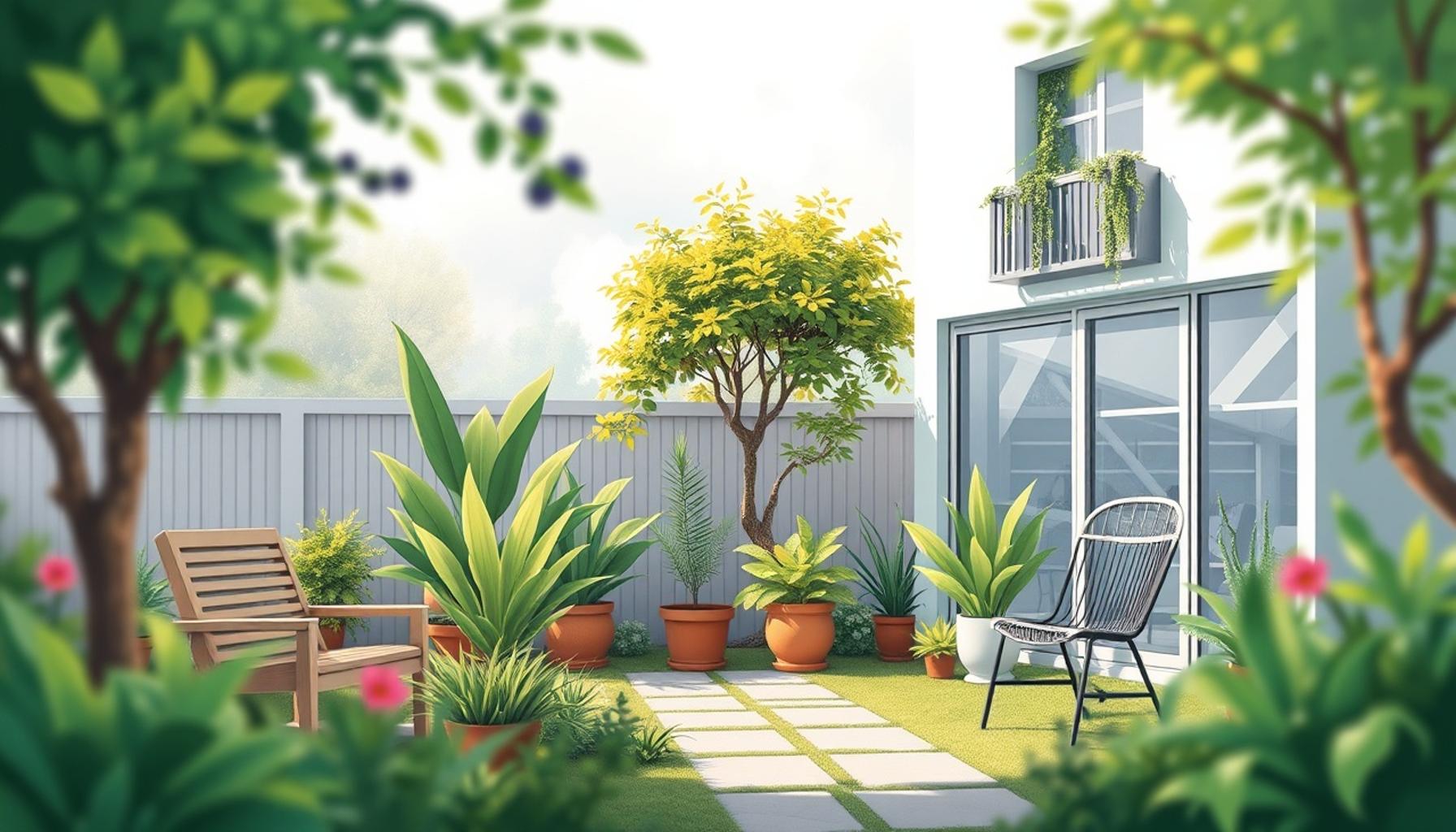
With urbanization on the rise, we find ourselves at a crossroads—balancing the pressing demands of modern life with the innate human need for nature. As cities transform into bustling metropolises, the role of gardens and outdoor areas has evolved. It’s not just about creating beautiful landscapes; it’s about integrating minimalistic principles that enhance their functionality and accessibility. When designed thoughtfully, these outdoor spaces can cater to diverse activities, fostering an environment where residents can thrive.
Minimalism in garden design emphasizes the principle of “less is more.” By taking a stripped-back approach, designers focus on creating spaces that invite use while reducing clutter. Here are key considerations in adopting minimalism for green spaces:
- Functional Pathways: Clear and simplified pathways made from natural stones or reclaimed materials lead users effortlessly through gardens, encouraging exploration without overwhelming sensory input.
- Zen Gardens: These tranquil spaces utilize rocks, sand, and minimal plant life to offer a meditative experience. They require little maintenance and provide a serene escape for city dwellers, directly supporting mental health benefits.
- Multi-Purpose Furniture: Outdoor seating that serves multiple functions encourages social interaction. Benches that double as planters or tables can be strategically placed to support community gatherings while providing comfort.
Moreover, minimalism extends beyond aesthetics; it shapes sustainability in garden management. By focusing on native plants and low-water landscaping, communities reduce upkeep and environmental impact, making these spaces not only beautiful but also ecologically sound. For instance, the California Landscape Contractors Association promotes the use of drought-resistant plants, leading to water conservation without sacrificing beauty.
Additionally, the conscious choice of plant materials can transform the social dynamics of urban gardens. For example, incorporating edible plants within the framework of community gardens not only provides food but also reinforces bonds among neighbors as they share in the cultivation and enjoyment of harvests. This combination of food production with community gathering illustrates how minimalistic gardens can engender a more engaged populace.
As cities like Portland and New York adopt these principles, they set a precedent for reimagining how green spaces function within urban settings. The integration of minimalism in garden design speaks to our essential desire for simplicity amid complexity—an opportunity to construct environments that enhance both individual well-being and community connectivity. It invites us to question how we shape our surroundings and reinforces the idea that even the smallest green spaces can bring about significant change.
When considering the integration of green spaces into our environments, one cannot overlook the concept of minimalism in garden and outdoor area organization. This approach cultivates a sense of peace and order, allowing for the natural beauty of plants to shine without overwhelming distractions. By adopting minimalistic principles, gardens can encourage mindful engagement with nature, enhancing our emotional and psychological well-being. A well-organized green space fosters relaxation, a crucial element in today’s fast-paced life.
Furthermore, integrating minimalism into outdoor spaces often leads to sustainable practices. This can involve the selection of native plants that require less maintenance and irrigation. Such choices not only preserve local biodiversity but also contribute positively to water conservation efforts. As communities begin to recognize the ecological benefits of green spaces, they also learn of the significant environmental advantages associated with minimalistic gardening. By reducing clutter and focusing on fewer, well-chosen elements, one can create a restful retreat that promotes sustainability.
Moreover, the aesthetic appeal of minimalism in gardening cannot be underestimated. Structured layouts featuring clean lines and open spaces make gardens more visually striking. The modern trend of using fewer garden ornaments and relying more on plant structures emphasizes the natural beauty without the need for excess. When thoughtfully designed, these gardens not only serve as personal havens but can also enhance property value, attracting like-minded individuals who appreciate the intersection of nature and design.
Exploring the various styles of minimalistic gardening allows for further reflection on how to maximize the use of green space in our communities. Whether it’s through vertical gardens in urban settings, community edible gardens, or tranquil zen-like retreats, each approach can contribute significantly to our quality of life.
| Category 1 | Category 2 |
|---|---|
| Minimalist Design | Focus on simplicity, beauty, and organization to enhance tranquility. |
| Sustainability | Encourages eco-friendly practices such as native plant cultivation. |
As more individuals and communities recognize the benefits of green spaces infused with minimalism, we can anticipate a shift towards thoughtful outdoor spaces that prioritize mental health, environmental responsibility, and enhanced aesthetics. This shift promises a better living experience for everyone while contributing to the vitality of our planet.
DISCOVER MORE: Click here to uncover strategies for a clutter-free space
Creating Community Through Thoughtful Green Spaces
The significance of integrating minimalism in the organization of gardens and outdoor areas extends beyond individual comfort; it plays a vital role in promoting community engagement and social interaction. In urban settings where space is often at a premium, well-planned green spaces can serve as a backdrop for community involvement, fostering connections among residents. By prioritizing simplicity and functionality, urban planners can design gardens that not only beautify neighborhoods but also enrich communal experiences.
For instance, cities like Seattle have embraced minimalistic garden concepts by transforming underutilized plots into vibrant community hubs. The South Lake Union Park is a prime example where minimalist design elements create open spaces devoid of excessive ornamentation. Here, residents can engage in yoga classes, picnics, and community events, all facilitated by the park’s thoughtful layout that encourages interaction without distraction.
Furthermore, incorporating sustainability into the framework of these minimalist gardens cultivates a sense of stewardship among local inhabitants. Community gardening initiatives, which have gained traction in urban centers across the United States, illustrate this phenomenon. In New York City, the GreenThumb program supports over 600 community gardens, showcasing how individuals can work together in shared spaces to grow food and foster close-knit relationships. Such collaborative efforts often begin with simple designs—a raised bed garden or a shared compost area—elevating the role of minimalism in promoting collective growth.
The choice of materials in garden design can also impact social dynamics. By utilizing reclaimed wood or local stones in creating seating areas and pathways, not only does the space evoke a sense of rustic charm, but it also supports local craftsmanship and reduces environmental impact. A study by the American Society of Landscape Architects found that such locally sourced materials can bring communities together, as residents take pride in contributing to the creation of their shared outdoor spaces. This shared ownership increases overall satisfaction and nurtures a communal identity.
Integrating artwork in minimalist garden designs can further enrich the space. Public art installations and sculptures serve as focal points, creating opportunities for discussions and gatherings. For example, in Chicago’s Millennium Park, minimalist art pieces like the reflective Cloud Gate encourage social gatherings and provide a backdrop for cultural activities, reinforcing the community’s connection to their environment. These subtle yet impactful integrations highlight how minimalistic principles can create inviting spaces for exploration and engagement.
Moreover, minimalistic gardens can adapt to accommodate seasonal events, from farmers’ markets to outdoor movie nights. The flexibility of these spaces ensures that they remain relevant and accessible, allowing for diverse programming that meets the evolving needs of the community. As demonstrated by parks across the nation that host such events, they promote inclusivity, inviting everyone ranging from families to young professionals to partake in community life. This adaptable approach further solidifies the importance of green spaces designed with minimalism in mind, as they effectively serve as civic stages that celebrate the vibrancy of the community.
DIVE DEEPER: Click here for valuable strategies
Conclusion: The Multifaceted Benefits of Minimalistic Green Spaces
In summary, the integration of minimalism in the design of gardens and outdoor areas is essential for maximizing the potential of our green spaces. By creating clean, uncluttered environments, urban planners can not only enhance aesthetic appeal but also foster a vibrant community spirit. The examples from cities like Seattle and New York City illuminate the transformative power of well-designed green spaces, which serve as communal hubs and promote local engagement.
Moreover, the emphasis on sustainability and the utilization of local materials not only strengthens community identity but also nurtures a sense of ownership among residents. As the American Society of Landscape Architects suggests, the choice of materials can significantly impact social dynamics, fostering pride in community initiatives. This phenomenon is further amplified with the incorporation of artistic elements and flexible designs that allow for diverse programming, ensuring that these spaces remain relevant and accessible.
Ultimately, the essence of minimalism in outdoor areas transcends mere aesthetics; it is about creating inviting environments that adapt to the needs of the community, stimulate interaction, and encourage stewardship. It calls for a shift in perspective—viewing green spaces not just as passive environments, but as active participants in weaving the social fabric of urban life. As we look towards the future, it is imperative for cities across the United States to prioritize thoughtfulness in their garden designs, ensuring that green spaces continue to foster connection, sustainability, and community well-being.