Mastering Tiny Spaces Minimalist Organization Tips Tricks
The Art of Maximizing Small Spaces
In today’s fast-paced world, many individuals are embracing minimalism as a lifestyle choice. This approach promotes simplicity and intentional living, making it essential to effectively utilize the space we have. For those with limited square footage, mastering the art of organization is not just beneficial—it’s necessary.
Small spaces can often feel cluttered and chaotic, but with the right strategies, you can create a serene and functional environment. Consider the following techniques:
- Declutter Regularly: Keep only what you use and cherish.
- Use Multi-Functional Furniture: Invest in pieces that serve more than one purpose.
- Vertical Storage Solutions: Take advantage of wall space for shelves and hanging organizers.
- Organizational Tools: Baskets and bins help keep smaller items contained.
- Mindful Shopping: Purchase items that truly align with your minimalist goals.
In this article, we will delve into the top five tips to enhance your organization skills and transform your small space into a harmonious haven. Embrace minimalism, and discover how a few simple adjustments can make a significant impact on your living experience.
The Art of Maximizing Small Spaces: Minimalist Organization Tips
Maximizing small spaces can be a challenging task, especially for those who embrace a minimalist lifestyle. Whether you live in a tiny apartment or want to make the most of every inch in your home, here are the top five tips to help you organize your space efficiently. These tips not only promote a clutter-free environment but also create a peaceful and aesthetically pleasing atmosphere.
5. Use Multi-Functional Furniture
When you’re dealing with limited space, choosing the right furniture is crucial. Multi-functional furniture is your best friend in this situation. It’s about finding pieces that serve more than one purpose, allowing you to conserve space without sacrificing function or style.
Consider a sofa bed that effortlessly transitions from a comfortable seat by day to a cozy bed by night. Such versatility is invaluable in studios or small apartments where every piece of furniture must earn its keep. Similarly, opting for a storage ottoman offers a dual function—providing both a seating option and a hidden storage compartment for blankets, books, or even children’s toys.
Moreover, foldable dining tables are ideal solutions for homes that lack dedicated dining space. They can be expanded for meals and easily tucked away when not in use, thereby freeing up precious floor real estate.
- Sofa beds for living rooms
- Storage ottomans for versatile seating
- Foldable dining tables for easy storage
4. Vertical Storage Solutions
When floor space is at a premium, it’s time to go vertical. Vertical storage solutions can dramatically increase your available space, making storage solutions both efficient and aesthetically pleasing. Shelving units that extend upwards can hold books, decor, or even kitchen items without taking up too much floor area.
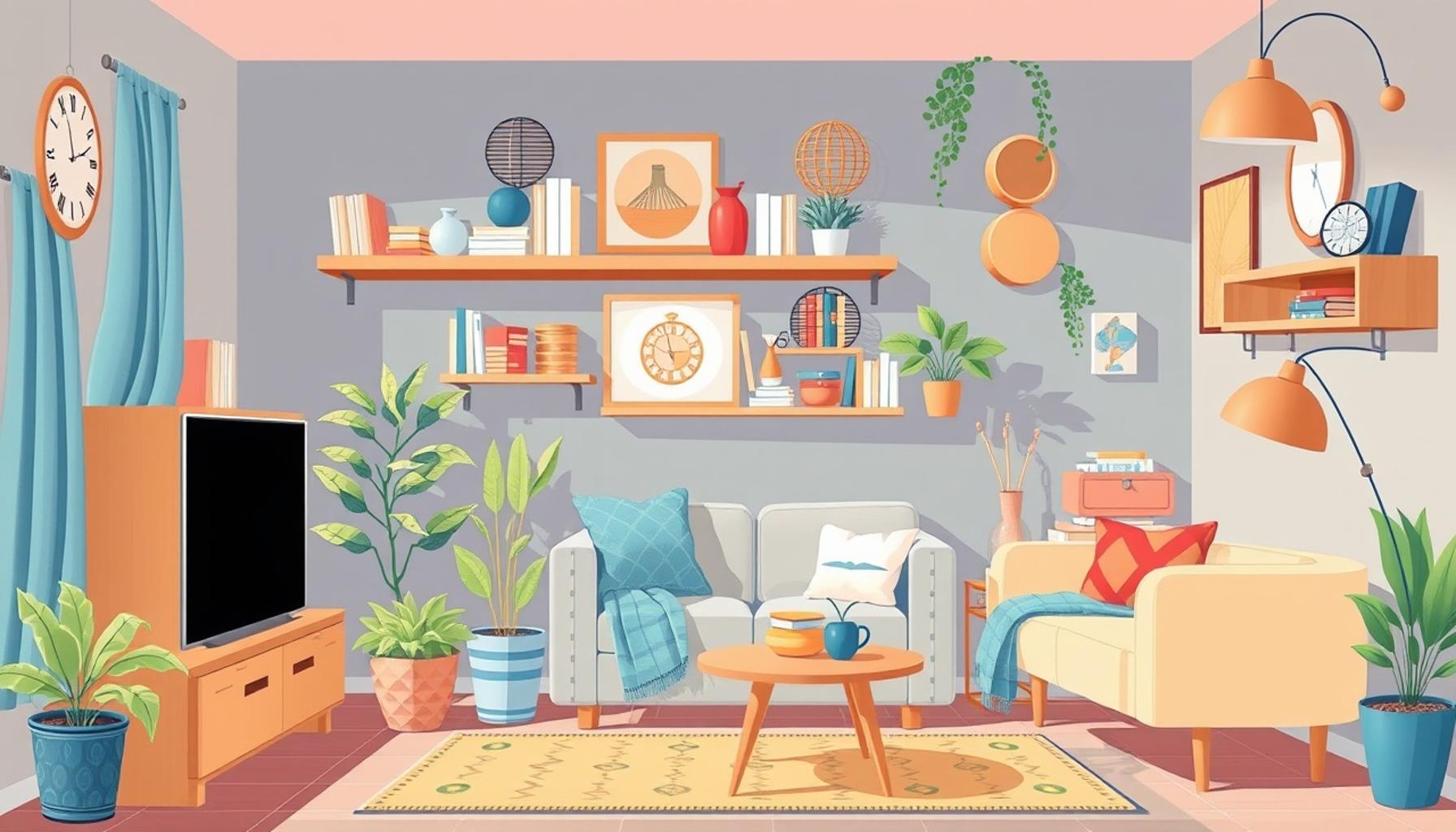
Consider installing wall-mounted shelves to display decorative items or store books and photo frames. Not only do these shelves provide storage, but they also draw the eyes upward, creating the illusion of a larger space. Adding hooks and pegboards to walls can organize utensils in the kitchen or tools in the workshop effectively. A pegboard can also serve as a creative decorative piece when painted to complement wall colors.
3. Declutter Regularly
One of the fundamental principles of minimalism is decluttering. Habitual decluttering helps keep your living space organized and aligns perfectly with a minimalist ethos of living with only what is necessary and joyful.
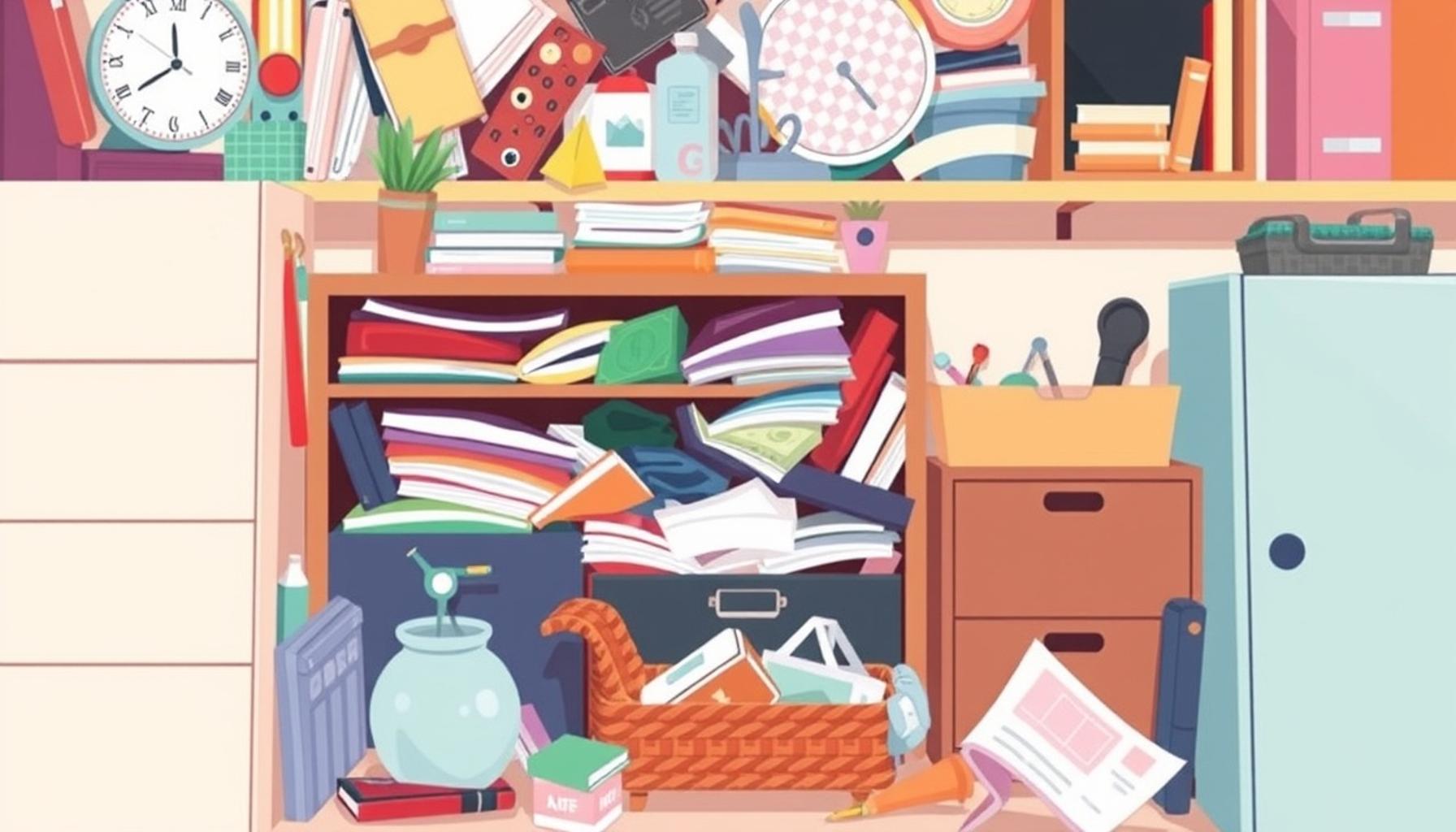
Establish a routine to assess your belongings regularly and determine what is essential. Utilize the one-year rule: if you haven’t used an item in a year, consider donating or recycling it. This practice not only reduces the volume of items in your home but also creates a more tranquil environment that’s easier to manage.
Develop a categorizing system, perhaps dividing items into ‘keep,’ ‘donate,’ and ‘dispose.’ This method brings a structured approach to decluttering, minimizing the mental load and helping you make quicker decisions about what stays and what goes.
2. Create Zones
In a small area, defining zones can help you utilize space more effectively. Creating zones involves assigning specific areas for different activities, such as working, relaxing, and cooking. This doesn’t require physical barriers; strategic placement of furniture and decor can visually segment spaces.
For example, use a small rug under your coffee table to create a cozy living room zone within an open-plan area. Such zones provide a mental cue that differentiates parts of the room, helping maximize utility and providing a sense of order and flow. At the same time, it helps guests understand the purpose of each space when they visit.
1. Optimize Storage Under Furniture
Your furniture can provide unexpected storage opportunities. Optimizing storage under furniture is the top tip for maximizing small spaces, as it makes use of often-overlooked areas. Beds and couches can be retrofitted with built-in storage, perfect for stowing away extra linens, shoes, or seasonal decorations.
Invest in rolling bins that easily slide in and out from beneath your bed, or use furniture risers to increase the space underneath your furniture. Such solutions ensure that even the tightest of spaces remain functional without being cluttered.
This tactic allows you to store items out of sight while keeping your living space open and uncluttered. Remember, the more organized you are beneath your furniture, the more room you have above!
By employing these techniques, you can transform tiny spaces into organized, multifunctional areas that align with your minimalist ideals. Embrace creativity when it comes to storage and ensure that each element in your space brings joy and utility. Happy organizing!
| Advantage | Description |
|---|---|
| Space Optimization | By adopting minimalist organization techniques, you can better utilize every square inch of your limited space, ensuring that your room feels more open and functional. |
| Enhanced Productivity | Creating a clutter-free environment leads to increased focus and efficiency. When your space is organized, you can find what you need quickly, thus saving time and reducing stress. |
| Aesthetic Appeal | Minimalist spaces tend to have a sleek and modern look. By keeping decorations to a minimum and choosing functional furniture, you create a visually appealing environment. |
| Cost Efficiency | Minimalism often promotes using less, meaning fewer purchases of decor and storage solutions. This can lead to a significant reduction in expenses related to home organization. |
In the journey of maximizing small spaces, understanding the advantages of minimalist organization is crucial. Each of these benefits contributes to creating a more functional and enjoyable living area. When you focus on optimizing your space, enhancing productivity, maintaining aesthetic appeal, and achieving cost efficiency, you can transform a compact area into an oasis of calm and organization. These strategies don’t just save space, they also cultivate a lifestyle that values simplicity and intentionality in your surroundings.
Frequently Asked Questions about Maximizing Small Spaces
How can I make a small room look larger?
To make a small room appear larger, consider utilizing reflective surfaces such as mirrors to give the illusion of more space. Additionally, choose light colors for walls and furnishings, as they tend to open up a room visually. Finally, keep the space uncluttered by using multi-functional furniture that offers storage and utility.
What are some essential tips for decluttering a small space?
A good starting point for decluttering a small space is to follow the one-in, one-out rule; for every new item brought in, one should be taken out. Additionally, use vertical storage solutions, such as shelves or wall hooks, to make effective use of walls and reduce floor clutter. Regularly assess your belongings to keep only those items that serve a purpose or bring you joy.
How do I create a cozy atmosphere in a small living area without overcrowding it?
To create a cozy atmosphere, focus on the use of soft textures and layered lighting. Incorporate throw blankets, pillows, and soft rugs to add warmth. Use multiple light sources such as floor lamps, table lamps, or string lights, avoiding a single overhead source which can create harsh shadows. Be sure not to overstuff the room with too much furniture; instead, use a few key pieces to maintain open and breathable space.
Are there specific storage solutions best suited for minimalist small spaces?
In minimalist small spaces, utilize hidden storage solutions such as ottomans with compartments, beds with drawers, or benches with lift-up tops. Wall-mounted shelves and under-bed storage are also excellent for keeping items out of sight, maintaining the clean lines that are characteristic of minimalism. Emphasize functionality without sacrificing style.
Conclusion
In today’s fast-paced world, maximizing small spaces has become an indispensable skill, particularly as urban living compromises square footage for convenience. By embracing minimalist organization techniques, individuals can transform even the smallest of areas into well-organized and serene environments. The core of this approach revolves around adopting a mindful attitude towards possessions, ensuring that every item serves a purpose and contributes to a sense of harmony.
The article explored several essential strategies to achieve this, highlighting the importance of decluttering as the primary step. By removing unnecessary items, you begin to unlock the potential of your space. Additionally, using multi-functional furniture cleverly allows for flexibility and maximizes utility, transforming areas that might otherwise feel cramped into functional hubs of activity. Vertical space shouldn’t be ignored either; employing wall-mounted solutions not only saves floor space but also draws the eye upwards, giving the illusion of a larger area.
Moreover, organizing by category and maintaining a consistent system of storage ensures that every item has a designated spot, which minimizes mess and confusion. The final touch is adding personal elements that bring joy without disrupting the minimalist intent, such as a favorite picture or a piece of meaningful art.
By implementing these strategies, minimalism not only aids in the aesthetic and functional transformation of small areas but also fosters an environment conducive to mental clarity and productivity. The minimalist lifestyle thus extends beyond physical spaces, offering individuals an opportunity for personal growth and a deeper understanding of what truly matters. Ultimately, embracing this art empowers us to live more intentionally, making the most of our surroundings and, in turn, enriching our lives.