Practical Strategies for Decluttering Your Home: A Step-by-Step Guide
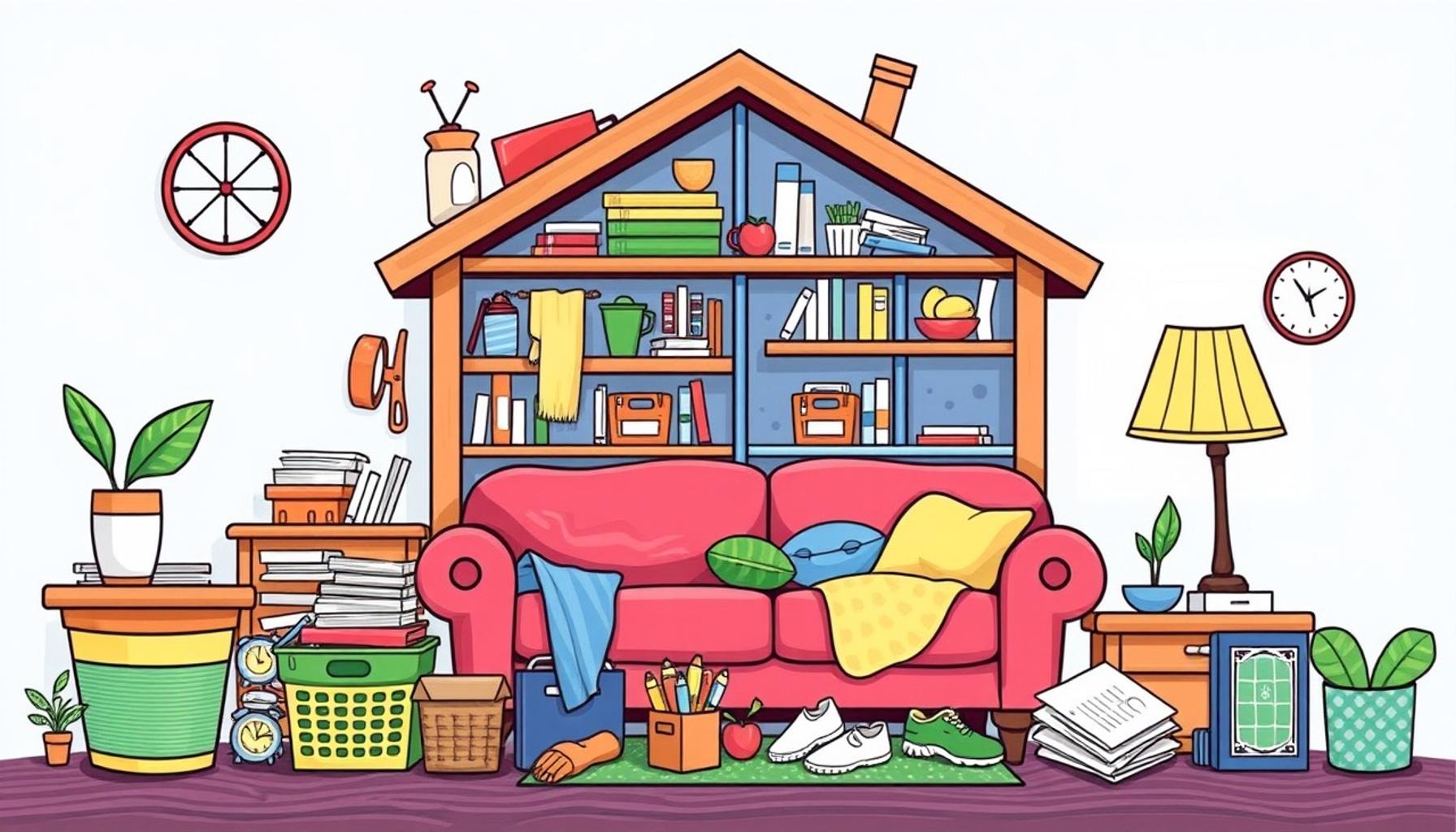
Transform Your Space with Practical Decluttering Strategies
Are you feeling overwhelmed by the clutter in your home? You’re not alone—many Americans struggle with maintaining an organized living space. From the endless accumulation of toys in a family household to the gradual build-up of unused gadgets in an apartment, clutter can creep in unnoticed. In a world filled with consumer goods and fast-paced lifestyles, it’s incredibly easy to accumulate items that no longer serve a purpose but still take up valuable space.
Decluttering can seem daunting, but it doesn’t have to be. With the right strategies, you can reclaim your space and create a home that reflects your lifestyle. Here are some effective methods to help you get started:
- Set Clear Goals: Begin by determining what spaces need decluttering. This could range from your kitchen countertop to your overflowing garage. Take a moment to envision how you want these areas to look post-decluttering. This mental image will serve as your guiding light throughout the process.
- Start Small: Tackling a massive project all at once can be overwhelming. Instead, focus on one small area at a time, such as a drawer or a single room. For instance, consider decluttering a bathroom cabinet before moving on to larger areas like the living room.
- Use the Four-Box Method: This method is efficient and straightforward. Label four boxes for keep, donate, trash, and relocate. As you sift through your items, place them in the appropriate box. This will not only streamline your sorting process but also reduce decision fatigue.
Finding time to declutter in our busy lives can be particularly challenging. However, dedicating just 10-15 minutes daily can lead to significant results. Even small efforts accumulate over time, transforming chaos into calm. Try setting a timer for 15 minutes and tackle a specific area during that time. You may be surprised at how much progress you can make!
To further facilitate your decluttering journey, consider utilizing available resources. Online communities and local workshops often provide valuable tips and support. You might find inspiration from popular decluttering gurus like Marie Kondo, who advocates for keeping only those items that “spark joy” or exploring the concepts of minimalism that encourage living with less.
Are you ready to create a more peaceful environment? With consistent effort and a strategic approach, you can turn chaos into calm, ultimately making your home a sanctuary of organization and comfort. Remember, the journey to a clutter-free space is a marathon, not a sprint, so be patient with yourself and celebrate the small victories along the way.
DIVE DEEPER: Click here to discover the art of letting go
Start Your Decluttering Journey with Purpose
Decluttering your home can significantly improve your mental well-being and productivity. Studies suggest that a tidy space can lead to reduced stress levels, better concentration, and an overall increase in happiness. But where do you begin? By carving out a structured plan and following practical strategies, you can effectively streamline your belongings and create a serene atmosphere.
One of the most essential steps in the decluttering process is developing a targeted approach. Instead of aimlessly sifting through piles of items, take the time to pinpoint your specific decluttering objectives. Whether you aim to create a more functional living space, prepare for a move, or simply make everyday life more enjoyable, having these goals in mind will help you stay motivated. Break down your overarching goals into smaller, actionable steps to track your progress along the way.
Establishing a Decluttering Timeline
Another effective strategy is to create a reasonable timeline for your decluttering efforts. Setting achievable deadlines can help you avoid feeling overwhelmed and encourage you to stay focused. Consider the following tips for crafting your timeframe:
- Determine your weekly goals: Define how many items or areas you want to tackle each week. This could be as simple as decluttering a drawer one day and a closet the next.
- Allot time for decision-making: Recognize that sorting through personal belongings may evoke mixed emotions. Set aside extra time for areas where you find it hard to part with belongings.
- Prioritize high-traffic areas: Start with your most-used spaces first. Living rooms, kitchens, and bedrooms will benefit the most from decluttering efforts, making it easier to see immediate benefits.
In addition to establishing a timeline, employing the Six-Month Rule can serve as a powerful guideline during the decluttering process. If you haven’t used an item in the past six months and it doesn’t hold sentimental value, consider letting it go. This straightforward rule helps prevent excess accumulation and encourages a more intentional approach to what you keep in your home.
Organizational Systems for Success
Once you’ve made the decision to declutter, incorporating simple organizational systems can make a world of difference. An organized space is easier to maintain in the long run. Here are some strategies to keep in mind as you rearrange and categorize your belongings:
- Invest in storage solutions: Utilize bins, baskets, and shelving to create designated spaces for your items. This not only optimizes the use of space but also allows for easy access to frequently-used items.
- Label everything: Clear labeling helps everyone in your household understand where items belong. Use labels to identify the contents of storage bins and drawers to maintain organization.
- Regular Maintenance: Schedule time for regular check-ins after your decluttering efforts. A quick monthly assessment of your space can help keep clutter at bay and ensure that your home remains a stress-free environment.
Implementing these practical strategies will set you on the path to a more organized and serene living space. Remember, decluttering is not just a one-time task; it’s a lifestyle change that promotes mindfulness and intentional living. As you venture forth, keep in mind that the journey may take time, but every small step counts towards creating the peaceful sanctuary you desire.
Practical Strategies for Decluttering Your Home: A Step-by-Step Guide
When it comes to decluttering your home, creating a strategic approach ensures efficient organization and lasting results. Begin by assessing each room and tackling one area at a time. This focus will prevent overwhelming feelings and maintain your momentum throughout the process.
Next, employ the 50/50 rule: dedicate half the time you spend decluttering to keeping items and the other half to discarding or donating. This technique not only encourages quick decision-making but also helps you realize how much you truly value your possessions.
Consider using storage solutions that can optimize space creatively, such as multi-functional furniture or under-bed storage bins. This not only enhances your home’s aesthetic but also promotes useful organizational habits that can reinforce a clutter-free environment.
Incorporate regular maintenance into your weekly routine; set aside time each week to reassess spaces and remove any items that’ve crept back in. By establishing these routines, you can foster a sustainable approach to organization and greatly reduce the chances of reverting to chaotic conditions.
| Decluttering Techniques | Benefits |
|---|---|
| The Four-Box Method | Encourages quick decision-making by sorting into keep, donate, sell, and trash boxes. |
| Digital Decluttering | Reduces mental clutter, improves focus and increases productivity in a tech-driven world. |
Incorporating these practical strategies can fundamentally change your relationship with material possessions, leading to a more serene living space. Remember, a decluttered home is a step toward a more organized life. Equip yourself with these methods and watch your home transform into a haven of tranquility.
DISCOVER MORE: Click here for insights on transforming your space
Create a Decluttering Plan That Works for You
Understanding your unique lifestyle and peculiarities can lend a personal touch to your decluttering efforts. It’s essential not only to focus on the space itself but to tailor your strategy to match your daily routines. Assess your habits and choose a plan that resonates with how you live. For instance, if you often find yourself bringing in new items, consider implementing a “one-in, one-out” rule where you commit to removing an item whenever you introduce something new.
Start Small: The Power of the One-Hour Declutter
If the concept of decluttering feels daunting, start with manageable time slots like one hour a day. This can be a very effective way to instigate change without feeling overwhelmed. Allocate your one-hour sessions to specific areas, such as:
- One drawer: Tackle a single kitchen or desk drawer, sorting items and deciding what stays or goes.
- One room: Focus on a single room for an hour. This could mean tackling the clutter on surfaces or organizing a closet.
- One category: Choose a category to declutter, like books or clothing, and commit to eliminating items that no longer serve a purpose.
The idea here is to make consistent progress in small increments. You’ll be surprised how quickly you can establish a sense of order by dedicating even just a little time each day to the process.
Involve the Whole Family
Decluttering is usually perceived as a solitary task, but involving family members in the process can make it not only more efficient but also more enjoyable. When everyone contributes, the workload diminishes dramatically, and it fosters a sense of responsibility among household members. Here’s how to get the family engaged:
- Set shared goals: Create common objectives, such as achieving a clutter-free living area by a set date to enhance family time or maintain a clean environment for relaxation.
- Make it a game: Gamifying the process can keep it engaging—set challenges for who can declutter the most items or finish a designated area the fastest.
- Celebrate achievements: Acknowledge everyone’s efforts and celebrate milestones, whether that’s enjoying a pizza night when an area is completed or simply sharing heartfelt moments about the items you let go of.
Digital Decluttering Matters Too
It’s not just physical clutter that can weigh you down; digital clutter can also add to feelings of disorganization and overwhelm. Consider these techniques to streamline your digital space:
- Email Cleanup: Create a system for your emails. Unsubscribe from newsletters that clutter your inbox and set aside time each week to delete unnecessary messages.
- Organize Files on Your Computer: Create folders that are easy to navigate, allowing you to systematically sort documents, photos, and other digital files. A consistent naming structure can help you find items quickly.
- Apps and Software: Use apps designed to help with organization, such as task management tools to keep track of assignments and important deadlines.
By committing to both physical and digital decluttering, you can create an all-encompassing atmosphere of clarity and peace in your life. Remember, decluttering is about more than just maintaining an ordered space; it’s about enhancing your overall quality of life, making it truly invaluable in today’s fast-paced world.
DIVE DEEPER: Click here to uncover the psychology behind our purchases
Conclusion: Embrace the Clutter-Free Lifestyle
In today’s fast-paced world, tackling clutter can often feel like a monumental task, but it doesn’t have to be. Practical strategies for decluttering your home can transform your living space and rejuvenate your mind. Through this guide, we’ve explored how creating a tailored decluttering plan to fit your lifestyle, starting small, involving family, and addressing digital chaos can lead to lasting change. These methods not only apply to the physical space around you but also extend to your digital life, fostering a comprehensive sense of organization.
As you embark on your decluttering journey, remember that progress is a marathon, not a sprint. The one-hour declutter method allows you to chip away at the chaos without feeling overwhelmed, while engaging family members fosters cooperation and shared responsibility. Additionally, tackling digital clutter ensures a holistic approach to your organizational efforts, making your life more streamlined.
Ultimately, the goal of decluttering is to create an environment that enhances your quality of life, promotes mental clarity, and permits easier access to the things you value most. As you adopt these strategies, consider the emotional aspect of letting go—by parting with the unnecessary, you are opening doors for new experiences and opportunities. So, take a deep breath and start today; a more organized, peaceful living space awaits!