The Impact of Grain-Free Diets on Dog Health
Exploring Grain-Free Diets for Dogs
As more pet owners investigate the best nutritional options for their furry companions, grain-free diets are gaining traction. Advocates suggest that these diets may offer various health benefits, yet the impact on dog health warrants careful examination. Understanding the potential advantages and risks associated with grain-free diets is crucial for any responsible pet owner.
Reasons Pet Owners Choose Grain-Free Diets
Several factors compel pet owners to consider grain-free diets as a viable option for their dogs. One primary reason is allergies. Some dogs exhibit allergic reactions or sensitivities to certain grains, leading to skin irritations, gastrointestinal issues, or other discomforts. For example, a dog that suffers from frequent ear infections or itchy skin may benefit from a switch to grain-free food, which eliminates potential allergens from their diet.
Another influential aspect is the protein sources featured in grain-free products. Many such diets emphasize higher protein content, primarily derived from meat, fish, and vegetables. This can provide dogs with a more concentrated source of energy, aiding in muscle maintenance and overall vitality. With popular ingredients like salmon, chicken, and sweet potatoes, many grain-free foods cater to natural canine dietary preferences.
Additionally, pet owners often report improved digestive health when transitioning to grain-free diets. Some find that their dogs experience less bloating, firmer stools, and increased overall comfort following meals. This aspect can be particularly compelling for owners of dogs with sensitive stomachs or those prone to digestive upset.
Considerations and Cautions
Nonetheless, venturing into grain-free territory is not entirely without risks. Recent studies have unveiled potential links between grain-free diets and canine dilated cardiomyopathy (DCM), a serious heart condition affecting dogs, especially certain breeds such as Boxers and Doberman Pinschers. This alarming association raises essential questions about the long-term impact of eliminating grains from canine diets.
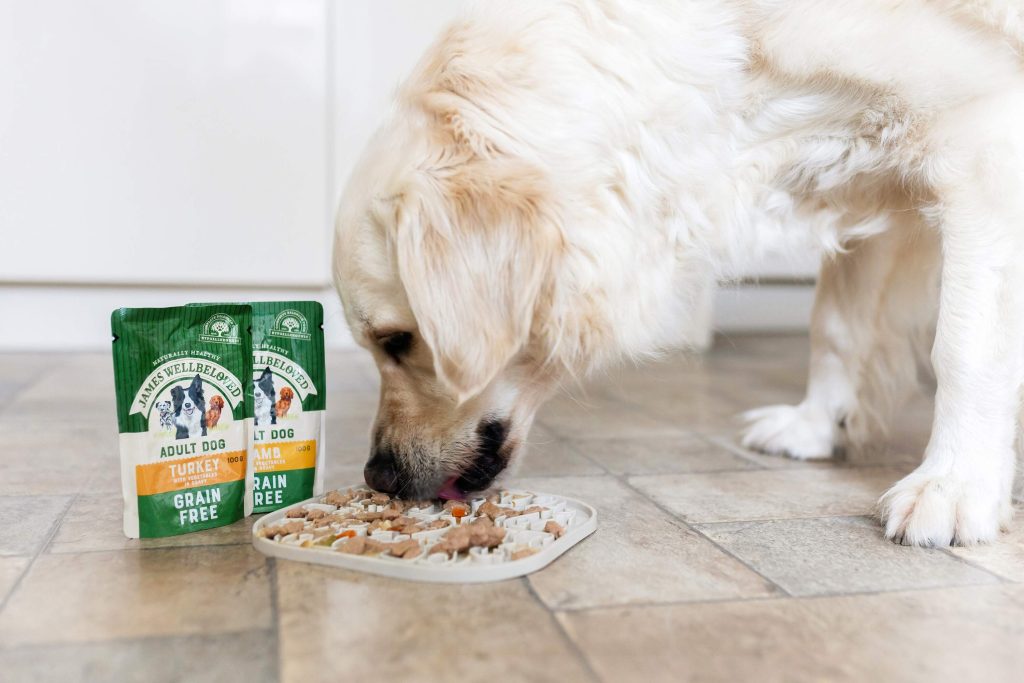
- Diet Composition: The quality and variety of ingredients can differ dramatically between brands. Some formulations may substitute grains with high levels of exotic ingredients like peas, lentils, or potatoes, which could imbalance nutrition if not managed carefully.
- Health Monitoring: Regular veterinary check-ups are vital for dogs on specialized diets. Conducting routine health assessments ensures any potential issues can be identified early and managed effectively.
- Balanced Nutrition: It is essential to provide a nutritionally balanced diet for your dog. This means considering not only protein sources but also ensuring adequate levels of vitamins, minerals, and omega fatty acids, which are fundamental to overall health.
Final Thoughts
In summary, the choice of a grain-free diet for dogs merits thoughtful consideration. With several factors at play, pet owners are encouraged to engage in thorough research and seek expert advice. Understanding the scientific nuances behind grain-free diets can empower owners to make informed choices that promote long-lasting health for their beloved canine companions. As with any dietary choice, being informed is key to ensuring your furry friend’s well-being.
Understanding the Nutritional Landscape of Grain-Free Diets
When embarking on the journey to find the most suitable diet for their dogs, many pet owners are drawn to grain-free options, believing these choices may enhance their pets’ health and overall well-being. However, the implications of such dietary changes require deeper scrutiny, especially considering the evolving landscape of dog nutrition. To fully appreciate the impact of grain-free diets on dog health, one must explore both the benefits and potential pitfalls associated with this dietary trend.
Benefits of Grain-Free Diets
Proponents of grain-free diets emphasize several potential benefits that can lead to improved health outcomes for dogs. The following factors often attract pet owners to consider going grain-free:
- Reduction of Allergic Reactions: Grain-free diets can serve as an effective solution for dogs suffering from food allergies or intolerances. Ingredients such as wheat, barley, and corn are known allergens for some canines, resulting in digestive disturbances or skin issues. By removing these grains, pet owners may witness reduced symptoms and enhanced comfort for their pets.
- Higher Protein Content: Many grain-free formulations prioritize protein-rich ingredients derived from animal sources. This increased protein content not only supports muscle health but can also provide a source of energy that more closely mirrors the natural carnivorous diet of dogs, sparking greater interest from both owners and veterinarians.
- Enhanced Digestive Health: Dogs with sensitive stomachs may respond positively to grain-free diets. With fewer carbohydrates and potentially easier-to-digest ingredients, many owners report improved digestion, firmer stools, and reduced flatulence in their pets, creating a more pleasant environment for both dogs and their owners alike.
While many pet owners have observed positive transformations in their dogs after switching to grain-free diets, it is critical to approach such dietary changes with caution. The implications of these diets can be nuanced, and what works for one dog may not have the same effect on another.
Examining Potential Risks
As pet owners trend toward grain-free options, it is essential to address the potential risks involved. Certain studies have raised alarming connections between grain-free diets and canine dilated cardiomyopathy (DCM), particularly in breeds more susceptible to heart disease. This association underscores the need for vigilance when selecting a grain-free diet, as not all formulations are equally beneficial. Understanding the broader context can help mitigate risks:
- Ingredient Quality: It’s crucial to analyze the specific ingredients used in grain-free products. Some diets may replace grains with other carbohydrate sources, like peas, lentils, or potatoes, which can alter nutritional balance and may lead to deficiencies if not monitored appropriately.
- Consulting Professionals: Engaging with a veterinarian or a pet nutritionist before making significant diet changes is essential. These professionals can offer personalized recommendations based on a dog’s unique health profile, ensuring that dietary choices align with their specific needs.
- Ongoing Monitoring: Regular health assessments are vital for dogs on grain-free diets. Keeping track of their vitality, weight, and any emerging health issues allows owners to make informed adjustments to their pets’ diets as needed.
With an informed approach, pet owners can navigate the complexities of grain-free diets, aiming to promote optimal health for their canine companions.
| Advantage | Details |
|---|---|
| Improved Digestive Health | Grain-free diets are often easier on a dog’s digestive system, leading to less gas, bloating, and gastrointestinal discomfort. |
| Enhanced Coat and Skin Condition | Many owners report a noticeable improvement in their dog’s coat shiny appearance and skin health, often attributed to higher levels of omega fatty acids in grain-free foods. |
The impact of grain-free diets on dog health continues to be a subject of growing interest. One significant advantage reported is the improvement in digestive health. As many dogs develop sensitivities to grains, shifting to a grain-free diet may alleviate symptoms such as gas, bloating, and other gastrointestinal issues, leading to a more comfortable and healthier pet. In addition to digestive benefits, pet owners have noted enhanced coat and skin condition. Grain-free diets frequently contain increased amounts of quality proteins and omega fatty acids, which contribute to a healthier, more lustrous appearance. This can be particularly vital for breeds prone to skin issues. These advantages suggest that a grain-free approach is worth considering, especially for dogs showing symptoms of dietary sensitivities.
Weighing the Nutritional Benefits and Concerns
As the popularity of grain-free diets continues to rise, pet owners must grapple with the balance of potential health benefits against the arising concerns associated with these dietary choices. Understanding the nutritional components of grain-free diets is paramount for making informed decisions that can directly impact canine health.
Nutrient Composition and Balance
A pivotal aspect of grain-free diets lies in the alternative ingredients utilized to substitute traditional grains. Many grain-free kibbles incorporate high-protein sources, such as meats and fish, complemented by vegetables and legumes. However, not all formulations maintain an appropriate balance of essential nutrients crucial for canine well-being. This brings into focus several critical considerations:
- Essential Fatty Acids: Dogs require a balance of omega-3 and omega-6 fatty acids for optimal skin health, cognition, and overall wellness. Grain-free diets may skimp on these vital fats unless specifically designed with them in mind. Owners must ensure that these diets include sources like fish oil, flaxseed, or chia seeds to support healthy skin and coat.
- Carbohydrates Quality: While eliminating grains can help alleviate food sensitivities, attention should be paid to the types of carbohydrates replacing them. Certain grain-free diets utilize high amounts of beans or legumes, which may not only vary in digestibility among dogs but may also lead to gastrointestinal issues if not properly balanced with other nutrients.
- Vitamins and Minerals: Grain-based foods often provide essential vitamins and minerals found in whole grains. The absence of these can lead to deficiencies if grain-free diets fail to incorporate alternative nutrient sources or if they lack proper supplementation. Hence, a careful review of each product’s nutritional label is essential.
The Implications of Long-Term Grain-Free Diets
Long-term adherence to grain-free diets warrants scrutiny, particularly given some of the recent studies linking these diets to canine dilated cardiomyopathy (DCM). Notably, dogs affected by this condition often presented a dietary pattern rich in peas and lentils. This raises questions not only about the short-term benefits but on the longer-term viability of such diets. Pet owners are encouraged to recognize:
- Breed Specific Risks: Certain breeds are genetically predisposed to heart issues. Breeds like Doberman Pinschers, Boxers, and Great Danes have exhibited concerning rates of DCM associated with grain-free diets. For these breeds, regular health evaluations and proximity to a veterinarian are imperative.
- Diet Variety: A diversified diet that includes a variety of protein sources alongside grains can foster better health outcomes. Instead of committing to a strictly grain-free diet, pet owners might consider rotating food brands or changing diets seasonally, allowing dogs to experience a well-rounded nutrient profile.
- Emerging Research: Ongoing studies are investigating the complexities of grain-free diets. Owners staying abreast of the latest findings will be better equipped to make decisions in light of evolving insights regarding dog nutrition and associated health implications.
In summary, while the journey into grain-free diets offers intriguing possibilities for enhancing dog health, it is equally important for pet owners to navigate the landscape thoughtfully, ensuring they comprehensively understand the implications as they seek optimal nutrition for their furry friends.
Final Thoughts on Grain-Free Diets and Dog Health
In conclusion, the discussion surrounding grain-free diets for dogs is multifaceted, involving a careful examination of both benefits and potential health risks. While these diets can provide an alternative for dogs with specific food sensitivities, pet owners must be vigilant about ensuring their dogs receive a well-rounded and nutritionally complete diet. The implications of nutrient composition, such as the balance of essential fatty acids and the quality of alternative carbohydrates, highlight the need for informed choices.
Moreover, the emerging evidence linking grain-free diets to canine dilated cardiomyopathy (DCM) in certain breeds underscores the importance of being wary about long-term commitment to such diets. As ongoing research continues to shed light on the implications of these dietary choices, pet owners should stay informed and be ready to adapt as new information becomes available.
Ultimately, fostering a healthy diet for our furry companions may involve trial and error and consulting with veterinarians who are well-versed in canine nutrition. By prioritizing diet variety and monitoring health outcomes closely, pet owners can help optimize their dogs’ well-being. The key lies in creating a balanced approach that not only embraces the uniqueness of grain-free diets but also respects the traditional nutritional foundations essential for maintaining overall canine health.