Understanding the Nutritional Needs of Senior Cats
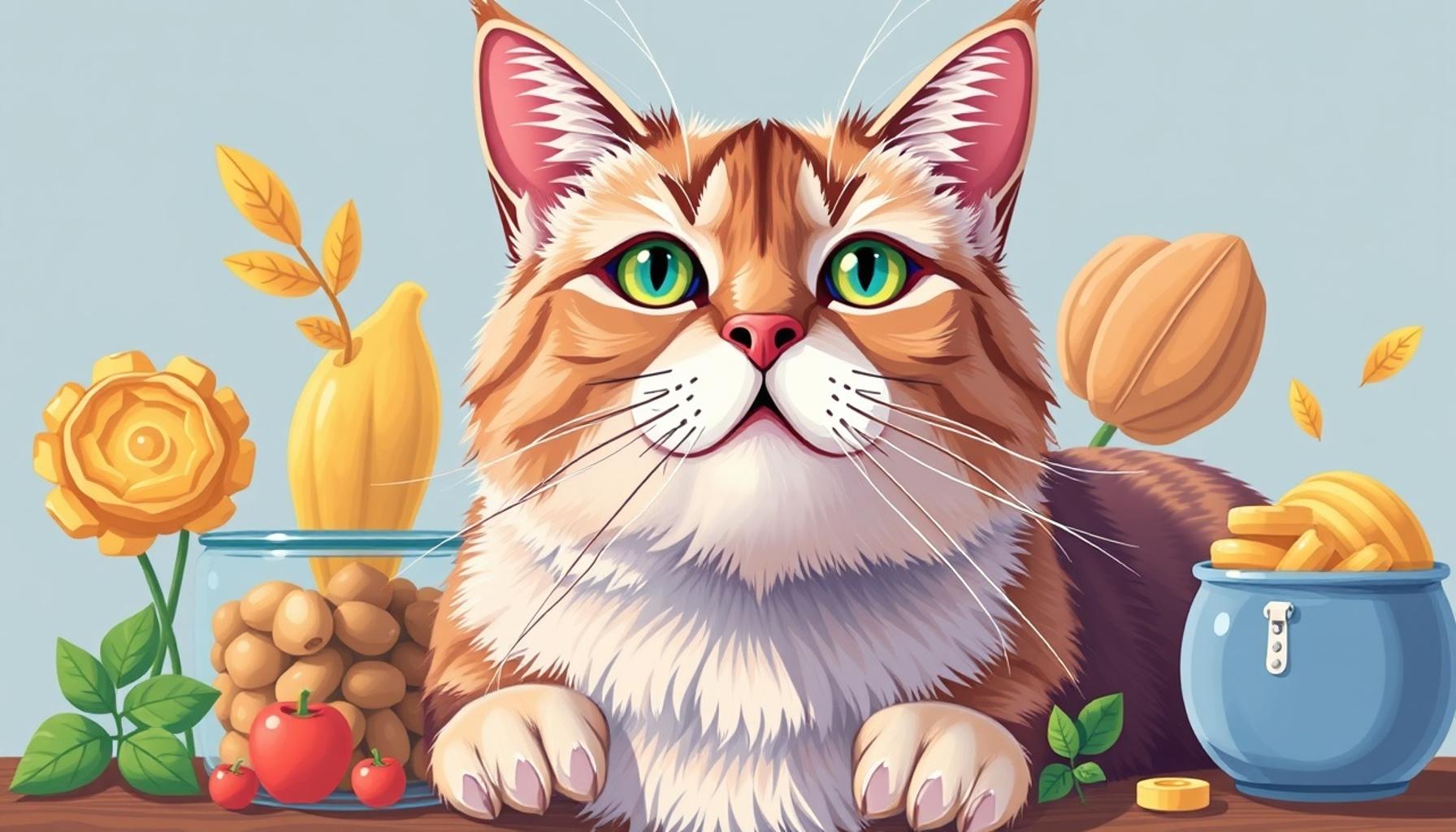
Understanding Senior Cat Nutrition
As our feline friends age, their nutritional needs change significantly. Understanding these needs is crucial for ensuring a long, healthy life for your senior cat. In fact, the right diet can make a remarkable difference in their overall wellbeing. A well-balanced diet tailored to the unique requirements of senior cats can not only extend their lifespan but also enhance their quality of life.
Senior cats, typically aged seven years and older, may experience a range of issues that influence their dietary requirements. These challenges often include:
- Decreased metabolism: As cats age, their metabolic rate slows down, which can lead to weight gain if their caloric intake is not adjusted accordingly. It’s important to monitor your cat’s weight closely and provide a diet that matches their reduced energy levels.
- Dental health: Many senior cats face dental issues, including tooth decay and gum disease, which can affect their ability to chew dry food. Choosing soft, moist food or specially formulated dental diets can aid in maintaining appropriate nutrition while considering their oral health.
- Health conditions: A variety of health concerns may arise as cats age, such as kidney disease, hyperthyroidism, or obesity. Each condition may necessitate a specific dietary approach; for instance, a low-protein or low-phosphorus diet may be recommended for cats with kidney problems.
It is essential to tailor their nutrition not only for their age but also for their individual health needs. Here are some further considerations when addressing the nutritional needs of senior cats:
- High-quality proteins: Older cats need easily digestible protein to maintain muscle mass. Sources such as chicken, turkey, or fish provide the building blocks necessary for muscle repair and energy. Look for cat foods that list meat as the first ingredient.
- Moisture content: Ensuring hydration through wet food can help mitigate kidney issues, as older cats are prone to dehydration. Aim for a diet that includes at least 70% moisture—canned foods are an excellent option for hydration.
- Special nutrients: Antioxidants, such as vitamins E and C, along with omega fatty acids, can support cognitive function and joint health, helping your cat age gracefully. Foods enriched with these nutrients can bolster their immune system, making them less susceptible to age-related illnesses.
By taking the time to understand and meet the specific nutritional needs of your senior cat, you can enhance their quality of life and keep them purring for years to come. Consult with a veterinarian for personalized dietary recommendations tailored to your cat’s individual needs. Investing in their diet today can greatly contribute to their happiness and longevity tomorrow.
Essential Nutrients for Senior Cats
In the pursuit of optimal health for our older feline companions, it becomes imperative to delve deeper into the essential nutrients that cater specifically to their changing bodies. Senior cats have unique challenges that can be addressed through a carefully constructed diet rich in critical components. Particularly, focusing on their need for specific vitamins, minerals, and fatty acids can make a considerable difference in their health trajectory.

The first step towards ensuring a balanced diet for senior cats involves understanding the fundamental nutrients. Here are some key components to consider:
- Protein: As mentioned earlier, maintaining muscle mass is crucial for senior cats. Adequate protein not only helps in muscle repair but also contributes to cellular function and energy levels. Look for diets that offer higher protein content—preferably from animal sources, as cats are obligate carnivores.
- Vitamins and Minerals: Senior cats benefit from vitamins such as B12 and D, which play significant roles in metabolism and overall vitality. Calcium, phosphorus, and magnesium are also essential for maintaining bone health and supporting various bodily functions.
- Fiber: As metabolism slows, many senior cats experience digestive changes. Adding fiber can promote healthy digestion, helping to prevent problems like constipation. Ingredients like pumpkin or beet pulp can aid in achieving an appropriate fiber balance.
- Omega-3 and Omega-6 Fatty Acids: These essential fatty acids are known for their anti-inflammatory properties. They can help support joint health and improve skin and coat conditions, ensuring that your senior cat remains comfortable and looking their best.
Furthermore, the quality of ingredients is just as important as the quantity of individual nutrients. When choosing cat food, it’s essential to select brands that prioritize high-quality, natural ingredients. Food labeled as “complete and balanced” meets the dietary standards established by the Association of American Feed Control Officials (AAFCO), ensuring that it provides all necessary nutrients in the right amounts.
In addition to these core nutrients, it’s crucial to recognize how age-related conditions influence dietary needs. For instance, cats suffering from arthritis may benefit from an anti-inflammatory diet that includes specific joint-supporting supplements like glucosamine or chondroitin. Regular veterinary check-ups can aid in identifying such conditions early, allowing for timely dietary adjustments.
As cats age, their preferences may also shift. They may become pickier about textures or flavors—making palatability a vital consideration when selecting food. If your senior cat starts to reject their usual meals, consider exploring different flavors or formulations to meet their taste, all while ensuring a nutritional balance.
By paying attention to these nutritional needs and making informed choices, you can significantly enhance your senior cat’s quality of life. A thoughtful approach to their diet not only addresses immediate health concerns but also sets the stage for a happier, more vibrant golden age.
| Nutritional Requirement | Importance |
|---|---|
| High-quality protein | Essential for maintaining muscle mass and preventing deterioration that often occurs in senior cats. |
| Increased fiber | Helps regulate digestion, preventing constipation, which is common in older felines. |
| Antioxidants | Support immune system health, combating oxidative stress that can accelerate aging. |
| Controlled calories | Prevents obesity while ensuring that senior cats receive adequate nutrition without weight gain. |
As cats age, their nutritional needs evolve, requiring adjustments in their diet to maintain optimal health. For instance, the need for high-quality protein becomes vital for supporting muscle mass and overall energy levels. In seniors, increased fiber can be a game-changer, easing digestive issues such as constipation that many older cats encounter. Including a robust mix of antioxidants also plays a crucial role in strengthening the immune system, fortifying your cat against age-related illnesses. Lastly, balancing their caloric intake is critical; it helps to prevent unwanted weight gain while still providing necessary nutrients, ensuring senior cats stay sprightly.
Hydration: A Key Component in Senior Cat Nutrition
As we dive deeper into the nutritional needs of senior cats, we cannot overlook the crucial aspect of hydration. Adequate water intake becomes increasingly important as cats age, given their propensity for kidney issues and urinary tract problems. Many senior cats may not drink enough water, which can exacerbate existing health conditions. Therefore, ensuring that your senior cat maintains optimal hydration is a fundamental step in their dietary regimen.
One effective strategy to enhance hydration is through diet. Wet food options tend to have a higher moisture content compared to dry kibble, delivering a dual benefit of nutrition and hydration. Some brands provide specialized wet formulas designed specifically for senior cats, full of essential nutrients while catering to their hydration needs. Moreover, consider offering fresh water in various locations around your home; some cats may enjoy drinking from a fountain, as running water often attracts them more than stagnant options.
The Impact of Weight Management
Weight management is another critical factor in the health of senior cats. As their metabolism slows, so does their calorie requirement. Overweight cats are at a higher risk for a range of health problems, including diabetes, hypertension, and arthritis. Consequently, understanding the ideal body condition score (BCS) for your senior cat and maintaining it through a balanced diet becomes essential.
When choosing food for senior cats, look for formulas that are lower in calories yet still rich in essential nutrients, allowing for weight maintenance without compromising health. Frequent, smaller meals can also help in managing weight while keeping energy levels stable. Engage with your veterinarian to establish a tailored weight-management plan that aligns with your cat’s specific health profile and lifestyle.
Special Dietary Considerations
In addition to hydration and weight management, it’s wise to consider special dietary needs that may arise based on your senior cat’s health. Conditions such as renal disease, hyperthyroidism, or diabetes require particular attention to diet formulation. For instance, cats with kidney disease often benefit from diets low in protein yet high in quality. Conversely, diabetic cats may need a diet rich in fiber to regulate blood sugar levels effectively.
Always consult with a veterinarian during these transitions. A professional can help determine if specific dietary supplements, such as antioxidants or probiotics, may further support your cat’s health. Additionally, the type of protein content can vary across brands; therefore, investigating various food labels helps in choosing appropriate options.
Transitioning to New Foods
Introducing new food to senior cats requires a gentle approach. Given their more sensitive stomachs, a sudden change can lead to digestive distress. Gradually mixing the new food into their current diet over the span of several days can ease this transition. Pay attention to your cat’s behavior and reactions, as any sign of gastrointestinal upset may warrant a different choice.
By acknowledging these various aspects of senior cat diets—hydration, weight management, special dietary considerations, and careful transitions—you will be better equipped to provide for the changing needs of your cherished feline friend. This understanding not only supports their physical well-being but also enriches their quality of life in their golden years.
Conclusion: Ensuring a Nourishing Future for Your Senior Cat
In conclusion, understanding the nutritional needs of senior cats is integral to promoting their health and enhancing their quality of life as they enter their golden years. As cats age, they experience various changes that necessitate a thoughtful approach to their diet, particularly in areas such as hydration, weight management, and special dietary considerations. Ensuring that your senior cat remains well-hydrated through wet food options and easy access to fresh water can mitigate health risks associated with dehydration.
Moreover, maintaining an ideal weight is crucial; it requires a careful selection of calorie-controlled diets rich in essential nutrients. Regular consultations with a veterinarian can further assist in tailoring a diet that accommodates any specific health conditions that may arise, ensuring that your feline companion receives the optimal care they deserve. Transitioning to new foods should be conducted with patience, prioritizing your cat’s digestive comfort and overall well-being.
By staying informed and proactive about your senior cat’s dietary needs, you not only support their physical health but also foster their emotional well-being. With a balanced diet and attentive care, you can enhance their vitality and help them enjoy a fulfilling life. Remember, every small change contributes to their long-term health, ensuring that your furry friend remains a cherished part of your family for years to come. Explore different brands, seek professional advice, and create a nourishing environment that reflects the love you have for your aging feline companion.