Effective Methods for Housebreaking Your Puppy

The Essential Guide to Housebreaking Your Puppy
Bringing a new puppy into your home is an exciting adventure, filled with joy and learning. However, one of the most crucial aspects of pet ownership is effectively housebreaking your furry friend. With the right methods, you can make this process smoother and more enjoyable for both you and your puppy.
Successfully housebreaking a puppy requires a combination of technique and understanding. Here are some key components that can guide you through this pivotal phase of your puppy’s life:
- Establish a routine: Consistency is vital. Take your puppy out at the same times each day, which typically includes after meals, after playtime, and first thing in the morning. A structured schedule will help the dog learn when it is time to go outside, aiding their ability to hold it until the designated times.
- Positive reinforcement: Reward your puppy with treats and praise immediately when they go outside. This could be anything from a small dog biscuit to a play session with their favorite toy. Associating good behavior with a reward not only reinforces the action but also creates positive associations with going outdoors.
- Monitor behavior: Keep an eye on your puppy’s signals, such as sniffing around, circling, or whining. These behaviors often indicate that a puppy needs to relieve itself. By recognizing these cues and responding promptly, you can prevent accidents inside the house.
The housebreaking phase can be a challenging time. Many puppies may require several accidents before they fully grasp the concept. It’s essential to remain patient; yelling or scolding is not effective and can lead to fear and anxiety. Instead, if an accident occurs, calmly clean the area without making it a big deal. Focus your energy on praising the puppy when they successfully go outside.
Another effective technique is crate training. Dogs typically avoid soiling their sleeping area, so introducing a crate can help them learn to hold it until let outside. Make sure the crate is comfortable and not too large; otherwise, your puppy may choose one corner to relieve themselves.
As you navigate this journey, remember that each puppy will have its own pace of learning. Tracking progress through a journal can provide insights and changes to the routine if necessary. With dedication, love, and consistency, you will see positive results over time.
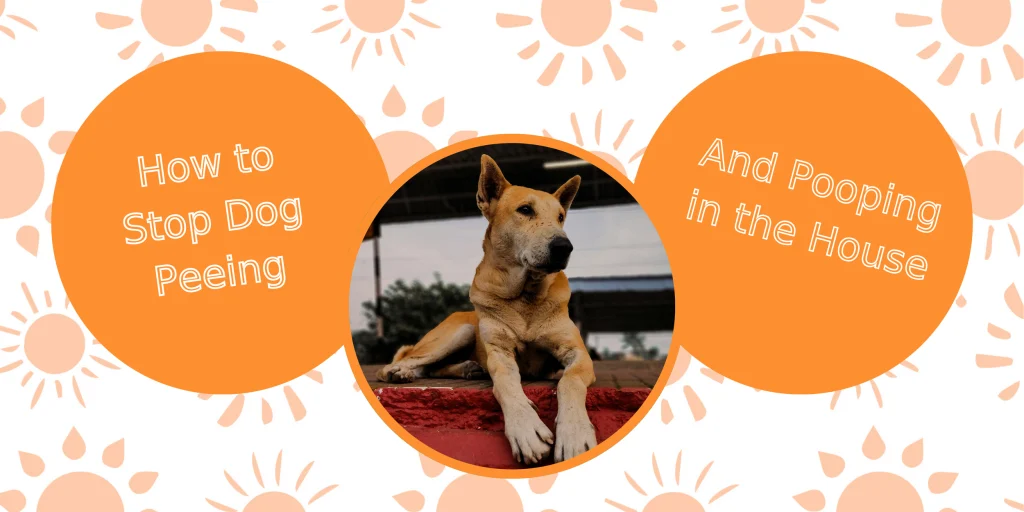
As we dive deeper into the topic, you’ll discover additional techniques and strategies that can transform your little furball into a well-housebroken companion. Stay tuned for practical tips that could make all the difference in your housebreaking experience.
Creating a Structured Environment for Success
Housebreaking your puppy is not just about taking them outside; it’s about creating an environment in which they can thrive and understand the rules of their new home. One of the foundational strategies in this process is to provide a structured environment that minimizes the opportunity for accidents and maximizes the chance for success.
First and foremost, designate a specific bathroom area outside. This area should be easily accessible and familiar to your puppy. By consistently taking them to the same spot, you reinforce the idea of this location as their bathroom. Encourage them to explore a bit, allowing them to sniff around and get used to the scent of that area, which can trigger the urge to relieve themselves.
In addition to making use of a designated bathroom spot, consider the use of puppy pads for indoor relief during the early stages of housebreaking. While the ultimate goal is to eliminate accidents inside the house, there may be times when the puppy cannot hold it long enough to get outside. By placing puppy pads in an accessible location, especially if you’re going to be away for a few hours, you can prevent mishaps while still encouraging them to go outside when you are home. Over time, you can gradually move these pads closer to the door and eventually outside as your puppy learns to associate outdoor relief with their designated bathroom area.
- Supervise constantly: During the early training phase, keep your puppy in sight. This can minimize the chances of accidental messes when you’re not paying attention.
- Use baby gates: If there are certain rooms where you want to restrict access, consider using baby gates to keep your puppy from roaming. This keeps them safe and helps prevent accidents.
- Limit space: When you aren’t able to supervise directly, utilize a smaller space, such as a crate or playpen, to help your puppy learn to hold it until they can go outside.
Another compelling method is to utilize natural textures and scents to facilitate the learning process. For puppies who seem hesitant to go outside, experimenting with different types of surfaces can be beneficial. Some puppies may be more inclined to relieve themselves on grass, while others may prefer gravel or even concrete. Understanding your puppy’s preferences can make for a smoother housebreaking experience.
Moreover, consistent feeding schedules can significantly impact your success. By feeding your puppy at the same times each day, you can predict when they will need to go out. Puppies thrive on routine, making it easier for them (and you) to understand when it’s time to head outside. Pay attention to their elimination patterns and adjust your routine accordingly. This observations can play a substantial role in refining your approach.
Housebreaking a puppy is a multifaceted endeavor, but success largely hinges on creating an environment that fosters learning and compliance. With a structured approach and keen observation, you’re setting the stage for a well-behaved companion. As we continue to explore the effective methods for housebreaking your puppy, you’ll find even more tips that can transform both your experiences during this phase and your puppy’s routine.
| Training Method | Key Features and Benefits |
|---|---|
| Crate Training | Promotes a safe environment; encourages puppies to hold their bladder. |
| Positive Reinforcement | Enhances learning via treats or praise; builds a bond between owner and puppy. |
| Scheduled Potty Breaks | Creates a consistent routine; reduces accidents inside the home. |
| Outdoor Parks Visits | Offers socialization opportunities; teaches puppies to relieve themselves outside. |
To effectively housebreak your puppy, consider implementing the aforementioned methods. Crate training not only helps in managing your puppy’s behavior but also creates a personal space that offers security. With positive reinforcement, rewarding desired actions reinforces your puppy’s good behavior while making the training process more enjoyable. Establishing scheduled potty breaks contributes to a structured routine, significantly lowering the chances of indoor accidents. Lastly, incorporating visits to outdoor parks not only aids in potty training but also provides essential socialization that is crucial for your puppy’s development. These methods all work synergistically to achieve a well-trained and responsible furry family member.
Utilizing Positive Reinforcement Techniques
One of the most effective methods for housebreaking your puppy is the implementation of positive reinforcement techniques. This natural learning process resonates well with puppies, encouraging them to repeat desired behaviors while fostering a strong bond between you and your new furry friend. It is important to show enthusiasm and reward them promptly when they perform the correct behavior.
When your puppy successfully relieves itself in the designated bathroom area, immediately reward them with a tasty treat or enthusiastic praise. This instant recognition helps them associate going outside to relieve themselves with positive outcomes, significantly boosting their motivation. As a part of this approach, use a consistent verbal cue, such as “Go potty,” when you take them outside. Over time, this cue will prompt your puppy to respond more readily.
However, to truly harness the power of positive reinforcement, it is critical to avoid punitive measures for accidents. Puppies, especially young ones, may not fully understand why they should not go inside. Instead of scolding after the fact, try to remain calm and redirect them to the appropriate area in a gentle manner. Redirecting their attention right when you catch them in the act is much more effective than reprimanding later on.
Establishing a Routine for Success
Establishing a consistent routine plays a crucial role in the housebreaking process. Just like children, puppies thrive on schedules as they promote predictability and understanding. Start by creating a daily routine that includes regular feeding times, frequent bathroom breaks, playtime, and naptimes. By feeding your puppy at the same time each day, you can better anticipate their bathroom needs, making it easier to take them outside.
In general, it is advisable to take your puppy out first thing in the morning, after meals, after playtime, and before bedtime. Keeping track of their bathroom habits can provide insights into their schedule and help you determine when to offer additional opportunities for relief. As you develop this routine, consider creating a housebreaking log to document your puppy’s elimination patterns. This log can identify trends and assist with adjusting your approach as necessary.
Investing in Training Aids
In the quest to housebreak your puppy, you may also want to consider investing in training aids. Products specifically designed for housebreaking—such as odor-eliminating sprays, which help to clean remnants of past accidents, or enzymatic cleaners that break down organic materials—can assist in maintaining a clean environment that discourages repeat offenses.
Additionally, consider using dog training bells as a communication tool. By teaching your puppy to ring a bell when they need to go outside, you empower them to actively communicate their needs. This not only improves your housebreaking process, but it can also strengthen your bond through shared understanding.
- Be patient: Housebreaking takes time and every puppy learns at their own pace. Stay positive and keep your expectations reasonable.
- Celebrate small victories: Each successful bathroom break outside is a step towards success. Celebrate progress to motivate both you and your puppy.
- Balance freedom with boundaries: As your puppy makes progress, gradually increase their freedom, but continue to provide supervision to prevent regression.
By integrating positive reinforcement, establishing a predictable routine, and utilizing training aids, you can create an effective strategy for housebreaking your puppy. These methods not only assist in preventing accidents indoors, but also promote a well-adjusted, happy pet that fits seamlessly into your family. The adventure of housebreaking may have its challenges, but with patience and consistent efforts, the rewards are immeasurable.
Conclusion
Successfully housebreaking your puppy is a journey filled with learning, patience, and rewarding experiences. By implementing positive reinforcement techniques, establishing a consistent daily routine, and using valuable training aids, you can significantly ease the process and help your puppy thrive in their new home. Remember, every puppy is unique; their pace of learning may vary, so it’s essential to tailor your approach while remaining patient and encouraging.
Additionally, celebrating small victories can motivate both you and your puppy during this phase. As they progress, be prepared to gradually give them more freedom while maintaining vigilance to prevent any regressions. Investing in training aids such as odor-eliminating sprays and dog training bells can further enhance communication and help create a cleaner environment, minimizing future accidents.
Ultimately, the housebreaking process is not just about achieving a clean home; it is about building a trusting relationship with your puppy. By fostering such connections through understanding and consistency, you pave the way for a harmonious life together. As you embark on this journey, keep in mind the importance of flexibility in your techniques and the necessity of adapting to your puppy’s specific needs. With dedication and love, you will soon enjoy the fruits of your labor: a well-adjusted, happy companion that enriches your life.