Essential Steps to Facilitate the Animal Adoption Process
Understanding the Adoption Journey
The journey of animal adoption is a remarkable experience that can change lives, not just for the animals but also for the individuals and families who welcome them into their homes. The emotional impact of adopting a pet often leads to a deep, understanding bond that enriches everyday life. However, it is essential to recognize that facilitating this process requires practical and thoughtful steps. By understanding key components of effective adoption strategies, we can improve outcomes for both animals and humans alike.
Why Focus on the Adoption Process?
Many animals in shelters across the United States are in desperate need of loving homes. According to the ASPCA, approximately 6.3 million companion animals enter U.S. shelters every year, highlighting the urgent need for responsible adopters. By simplifying the adoption process, we can:
- Increase Adoption Rates: A smoother process attracts more potential adopters. For instance, in communities where streamlined online applications are employed, adoption rates can rise significantly, as more people find it convenient to complete the process from home.
- Reduce Shelter Overcrowding: Easier adoptions lead to faster placement of animals. When shelters utilize pop-up events or collaborate with local businesses, they can create opportunities for more animals to be showcased, effectively reducing congestion in overcrowded facilities.
- Enhance Lifelong Bonds: Ensuring that adopters are well-prepared boosts the chance of successful long-term placements. When adoption programs incorporate educational sessions or workshops, new pet owners feel more confident and equipped to handle various challenges, leading to better retention rates.
Key Components of a Successful Adoption
Understanding the factors that play a vital role in effective animal adoption can guide both shelters and aspiring pet owners. Consider these vital steps that can facilitate the process:
- Awareness Campaigns: Educating the community about the benefits of pet adoption can shift public perceptions away from purchasing animals from breeders or pet stores. For example, creative marketing strategies, such as sharing heartwarming success stories through social media, can inspire potential adopters to consider shelter pets.
- Transparent Processes: Clear guidelines help potential adopters know what to expect. Shelters that provide detailed information about the requirements for adoption, including fees, paperwork, and post-adoption support, make it easier for individuals to make informed decisions.
- Support Systems: Offering resources and counseling for new pet owners increases confidence. Access to veterinary care, behavioral training, and community support groups can ease the transition and prevent common challenges associated with pet ownership.
By exploring these critical elements, we take a step closer to improving the lives of animals awaiting homes while enriching the lives of their new families. Ultimately, a community that actively promotes and supports animal adoption not only saves lives but also cultivates a culture of compassion and responsibility, fostering a deeper connection with the animals that share our lives.
Strategizing Your Adoption Process
Facilitating a successful animal adoption process invites a multifaceted approach that engages various stakeholders, from shelters to potential adopters. To create a nurturing environment for animal adoptions, several vital strategies can be implemented to ensure that both the animals and their future owners have a fulfilling experience.
Engaging the Community
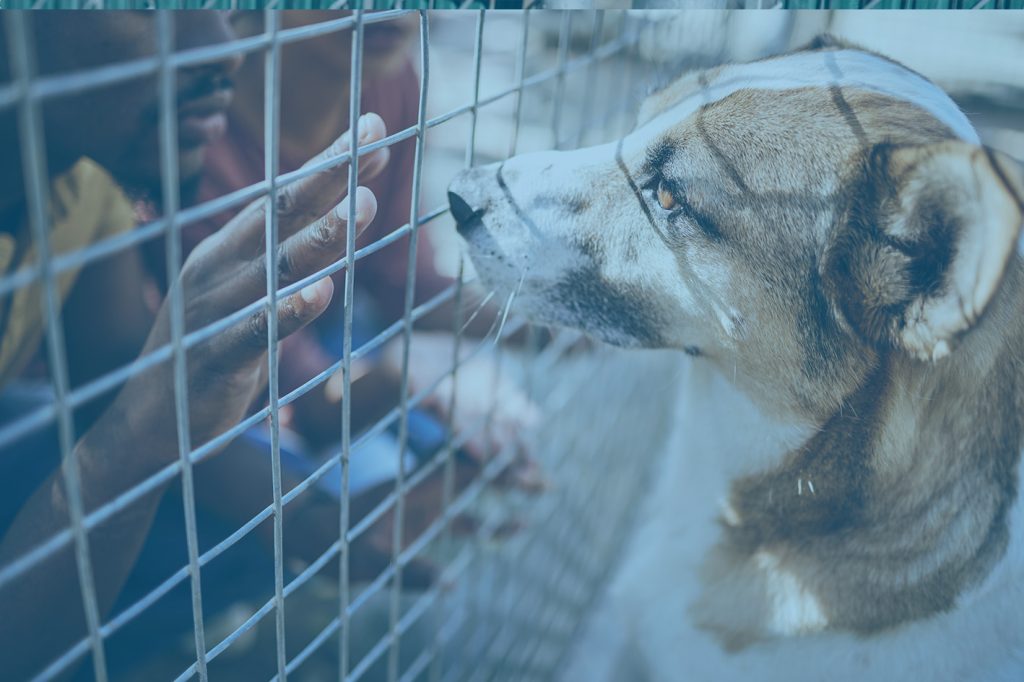
Building community awareness is fundamental in changing perceptions around pet adoption. An informed public is more likely to consider adopting from local shelters rather than purchasing from breeders or pet stores. Community outreach programs, including educational workshops and pet fairs, can significantly boost local engagement. By sharing compelling success stories and statistics about the number of animals saved through adoption, organizations can cultivate a sense of urgency and responsibility among the community. For example, a recent campaign in Los Angeles utilized social media and local influencers to highlight available pets, resulting in a 25% increase in adoption rates over six months.
Streamlining the Application Process
Another critical aspect is the simplification of the adoption application. Complicated processes can deter prospective adopters, so creating a straightforward, user-friendly online application can make a significant difference. Clear instructions, minimal required paperwork, and immediate follow-up communications help potential adopters feel valued and motivated. Basic criteria should be transparent, eliminating confusion and enhancing trust in the shelter’s operations.
Fostering a Supportive Environment
Once an adopter finds their ideal pet, it is crucial to prepare them for a seamless transition. Implementing post-adoption support systems is essential to empower new pet owners. Offering resources such as instructional materials, access to training sessions, and establishing a helpline can alleviate common concerns that arise during the initial adjustment period. Studies show that pets adopted with comprehensive post-adoption support have a 70% higher retention rate, confirming the need for ongoing assistance.
Promoting Responsible Pet Ownership
Educational initiatives focusing on responsible pet ownership can also play a pivotal role in reducing return rates and improving the adoption experience. Providing knowledge on pet care basics, such as proper nutrition, health check-ups, and behavioral training, prepares adopters for the realities of pet ownership. These initiatives can emphasize the commitment involved in caring for an animal, promoting lasting bonds between pets and their new families.
- Offer Workshops: Hold regular sessions covering various topics, from basic training to pet nutrition.
- Provide Resource Guides: Supply new owners with handbooks that address common issues they may face.
- Create Online Communities: Foster digital platforms where adopters can share experiences and seek advice.
By actively pursuing these strategies, animal shelters and organizations can create a welcoming and supportive environment that not only encourages adoption but also enriches the lives of both pets and their owners. In doing so, communities can come together to change the narrative around animal adoption, ensuring that more animals find their forever homes.
| Advantage | Explanation |
|---|---|
| Increased Transparency | The adoption process becomes clearer, helping potential adopters understand the requirements and responsibilities. |
| Enhanced Communication | Effective communication channels foster a connection between shelters and prospective adopters, leading to better matches. |
| Streamlined Processes | Simplifying paperwork and procedures reduces wait times, making the experience more pleasant. |
| Support Systems | Providing resources and guidance post-adoption ensures that animals find forever homes where they are cared for properly. |
To drive home the importance of these advantages, it is vital to understand that a well-structured adoption process can significantly increase the likelihood of successful placements. Aspirants are more likely to engage in the process when they feel informed and supported. The combination of increased transparency and enhanced communication serves to not only foster trust but also encourages more individuals to consider adopting animals in need. Moreover, streamlining the adoption routes through simplified forms and quicker processing leads to a reduction in abandonment rates, as potential pet owners do not experience frustration or setbacks. With solid support systems in place, both pets and families can thrive in their new lives together, marking a transformative step towards a more humane society.
Enhancing the Adoption Experience
To further facilitate the animal adoption process, organizations should focus on enhancing the overall experience for both the animals and their potential owners. By prioritizing the needs of all parties involved, shelters can increase satisfaction and fortify the bond between pets and adopters from the very start.
Encouraging Meet-and-Greet Opportunities
One of the most crucial steps in the adoption process is facilitating meet-and-greet sessions between potential adopters and animals. Allowing adopters to interact with pets in a relaxed environment can create a deeper understanding and connection. Successful meet-and-greet events can include both formalized sessions organized by shelters and informal gatherings at community events. For instance, parks can serve as venues where families can interact with multiple animals, fostering a fun atmosphere that encourages adoption. When potential owners interact with pets of varied energy levels and temperaments, they can better assess which animal suits their lifestyle for long-term companionship.
Utilizing Technology for Enhanced Matches
In today’s digital age, leveraging technology to enhance matchmaking between pets and adopters can significantly improve the process. Adoption agencies can deploy platforms that analyze potential adopters’ lifestyles, preferences, and housing situations to suggest the most suitable animals. For example, mobile applications can provide users with matches based on factors such as size, energy level, and playfulness. Subscribing to updates ensures that interested adopters remain engaged and informed, potentially leading to quicker decisions and fewer animals languishing in shelters. Data analytics used by organizations can also track the success rates of different approaches, allowing shelters to refine their strategies continually.
Creating a Welcoming Shelter Environment
An inviting atmosphere within the shelter is paramount in ensuring that visitors feel comfortable during their experience. Shelters should strive to create a welcoming environment by maintaining cleanliness, using friendly signage, and employing compassionate staff members. Moreover, designated play areas, separate spaces for different animal sizes, and quiet zones for sensitive animals can create a stress-free atmosphere for both pets and adopters. Additionally, emotional support and counseling services for potential adopters can help them navigate the emotional aspects of selecting a pet, leading to a more satisfying overall adoption experience.
Highlighting the Benefits of Adoption
Many people are unaware of the benefits that come with adopting a pet from a shelter. Educating the public about the numerous advantages of adoption, such as lower adoption fees compared to purchasing from breeders, potential health benefits, and the joy of saving a life, is vital in driving adoption rates up. Informational campaigns that detail the financial and emotional perks, such as reduced training costs and the immediate companionship that comes with choosing to adopt, can resonate deeply with prospective pet owners. Collaborating with local businesses, like pet stores and veterinarians, to provide special offers and discounts can also encourage potential adopters to make the leap.
- Launch Awareness Campaigns: Utilize digital marketing and local outreach to spread the word about the benefits of adoption.
- Partner with Local Businesses: Form alliances that benefit adopters, such as discounts on supplies or services from partner vendors.
- Show Success Stories: Feature stories of happy families that adopted from the shelter to inspire others to consider bringing home a new companion.
By implementing these recommendations, animal shelters can create a more positive atmosphere around pet adoption. Fostering connections between animals and potential adopters while promoting a sense of community responsibility will ultimately lead to a higher number of pets finding their forever homes. Through thoughtful and innovative strategies, shelters can continue to play a pivotal role in reshaping the landscape of pet adoption.
Conclusion: Transforming Animal Adoption for a Brighter Future
In conclusion, the imperative to streamline and enrich the animal adoption process cannot be overstated. By focusing on creating welcoming environments, enhancing meet-and-greet opportunities, and leveraging technology for better matches, shelters can significantly improve the experience for both animals and potential adopters. Each step taken to educate the public on the benefits of adopting—from lower costs to the emotional rewards of pet ownership—can uplift community involvement and foster a culture where adoption becomes a preferred option.
Moreover, the collaboration between shelters and local businesses plays a crucial role in driving engagement. Innovative campaigns that highlight success stories not only inspire potential adopters but also create a sense of community pride in saving lives. Enhancing the overall adoption experience promotes lasting bonds that go beyond the initial adoption day, producing fulfilled families while reducing the number of pets awaiting homes.
As we reflect on the essential steps discussed in this article, it is clear that fostering a culture of compassion and responsibility while maximizing the animal adoption process is vital. Each setback can be turned into a stepping stone toward a better future for countless animals. By embracing these strategies, we can reshape the narrative around animal adoption and ultimately ensure that more pets find the loving homes they deserve.