The Importance of Preventive Health Care in Pets: How Regular Examinations Can Increase Pets’ Lifespan

Understanding Preventive Health Care for Pets
The bond between pets and their owners is undeniably precious. To ensure that this bond lasts, preventive health care becomes crucial. Regular examinations can significantly improve the quality and duration of your pet’s life, leading to happier moments together. This proactive approach to pet health not only minimizes the risk of serious diseases but also promotes overall well-being.
The Benefits of Regular Examinations
- Early Detection of Diseases: Regular check-ups can identify health issues before they escalate. For example, conditions like diabetes or kidney disease can go unnoticed without routine screening, potentially resulting in severe health complications.
- Vaccination Updates: Keeping vaccinations current helps protect pets from avoidable illnesses. In the U.S., vaccines for diseases such as rabies, parvovirus, and distemper are vital for safeguarding your pet’s health and preventing the spread of these diseases.
- Weight Management: Routine exams allow for tailored dietary recommendations, promoting healthy weight. For instance, if a pet is found to be overweight during a check-up, a veterinarian might suggest specific food types or portion sizes suited to the animal’s age and activity level, which is especially important to combat obesity—a growing issue in American pets.
Statistics reveal that pets receiving regular preventive care live, on average, 15% longer than those who do not. This underscores the importance of routine veterinary visits. According to a study published by the Journal of the American Veterinary Medical Association, pets that visit the vet twice a year are shown to have an 80% lower risk of developing critical health issues. Regular health assessments can uncover hidden challenges that owners might overlook, keeping furry companions vibrant and full of life.
What to Expect During Preventive Visits
During a preventive health visit, owners should anticipate:
- A complete physical examination of the pet. This includes checking vital signs like heart rate and respiratory rate, as well as assessments of the skin, coat, and dental health.
- Discussion of the pet’s diet and activity level. Depending on the age and breed, veterinarians often recommend specific diets that align with the individual needs of pets, like breed-specific formulas for dogs or special nutrition for senior cats.
- Tests for parasites and other common issues. This may include fecal tests for intestinal parasites or blood tests to check for diseases that are common in certain breeds or regions.
By understanding these fundamental aspects of preventive care, pet owners can take proactive steps towards extending their furry companions’ lives. With diligence and care, maintaining their health becomes not just a duty, but a rewarding journey. Engaging with your veterinarian and asking questions can also lead to deeper insights into your pet’s unique health needs. In a world where pet healthcare is becoming increasingly sophisticated, knowledge and awareness are your best tools in providing a longer, healthier life for your beloved pets.
The Key Role of Preventive Health Care in Pets
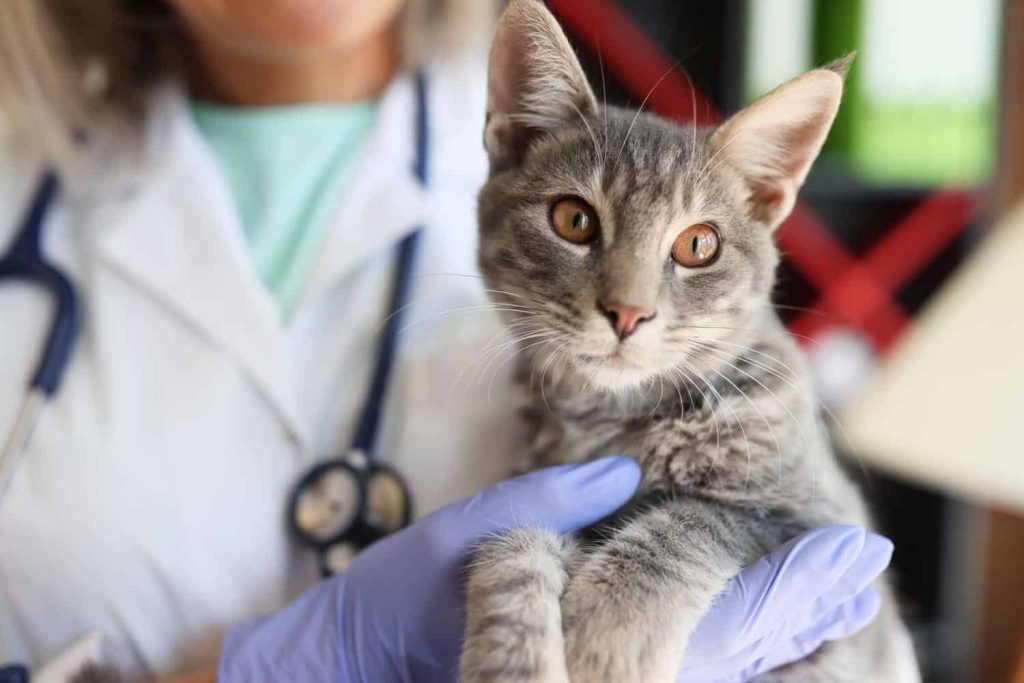
Preventive health care is more than just a buzzword in the realm of pet ownership; it is a crucial aspect of responsible pet parenting. By committing to regular veterinary visits, pet owners can help ensure their furry companions enjoy a longer, healthier life. Understanding the fundamental role of preventive care opens the door to better health outcomes for pets and strengthens the bond between pets and their owners.
The Value of Proactive Care
Engaging in preventive health care means taking a proactive stance towards your pet’s health needs. This approach provides several critical benefits:
- Preventing Serious Health Issues: Routine examinations allow veterinarians to monitor vital health indicators closely. This means conditions like heart disease, cancer, or dental issues can be spotted early, giving your pet a better chance at successful treatment.
- Behavioral Observations: Regular visits also offer a chance for veterinarians to assess behavioral changes that may indicate underlying health problems. For example, increased aggression or lethargy may be signs of pain or discomfort that warrants further investigation.
- Customized Preventive Plan: Every pet is unique, and by evaluating their health history, veterinarians can create customized wellness plans that may include diet modifications, regular vaccination schedules, and appropriate exercise plans tailored to the pet’s needs.
Moreover, a recent report from the American Animal Hospital Association indicates that pets receiving preventive care are significantly less likely to suffer from chronic diseases compared to those without regular veterinary check-ups. Some studies suggest that early detection through these visits can lead to treatment options that not only manage but can often cure ailments. This aligns with the growing recognition of the importance of a proactive approach, which can ultimately enhance the quality of life for our beloved companions.
Building a Strong Foundation Through Regular Vet Visits
When owners make a habit of scheduling regular veterinary appointments, it cultivates a strong foundation for their pet’s overall health. A sincere commitment to preventive care can lead to:
- A Comprehensive Health Overview: Each visit allows the veterinarian to compile and analyze your pet’s health records, which can reveal trends over time, such as weight changes or recurring infections.
- Education for Pet Owners: Regular health examinations provide opportunities to learn more about proper nutritional needs, exercise regimens, and preventative measures to protect your pet’s health.
- Support for Aging Pets: Older pets, in particular, can greatly benefit from routine examinations that monitor age-related changes and address potential issues before they develop into serious conditions.
In summary, the importance of preventive health care in pets cannot be overstated. Consistent veterinary visits pave the way for longer, healthier lives for pets, reinforcing the loving bond they share with their owners. By prioritizing these examinations, pet owners can become advocates for their pets’ health, ensuring years of joyful companionship ahead.
The Benefits of Regular Health Check-ups for Pets
Regular health examinations for pets are pivotal in prolonging their lives and enhancing their quality of life. These check-ups not only allow veterinarians to assess overall health, but they also facilitate early detection of potential health issues. By identifying conditions such as obesity, dental disease, or heart murmurs during routine checks, pet owners can make informed decisions to address these issues promptly, leading to better health outcomes and, ultimately, a longer lifespan for their furry companions.Moreover, preventive health care promotes vaccination and parasite control, which is vital in protecting pets from serious diseases. Conditions such as parvovirus, rabies, and Lyme disease can have devastating effects on pets. Vaccination schedules tailored to specific breeds and lifestyles ensure that pets receive adequate protection. Regular examinations also allow for adjustments to vaccination protocols as needed, further safeguarding pets from prevalent health threats.Nutrition plays a significant role in a pet’s longevity, and veterinarians can provide invaluable guidance on proper diet and weight management during these examinations. A balanced diet tailored to the individual needs of a pet can mitigate the risk of chronic illnesses such as diabetes, renal disease, and arthritis. Moreover, maintaining a healthy weight through proper nutrition and exercise can considerably extend a pet’s life.In addition to physical health, regular veterinary visits can help address behavioral concerns that may influence a pet’s overall well-being. Vets can provide strategies on socialization, training techniques, and mental stimulation, which together promote a happy and fulfilling life for pets. In essence, preventive health care is not just about managing current health but creating a roadmap for a healthier future. With each examination, pet owners equip themselves with knowledge and tools essential for nurturing their pet’s health throughout their lifespan.
| Category | Key Features |
|---|---|
| Early Detection of Health Issues | Regular examinations help identify health problems before they become serious, making treatment more manageable and effective. |
| Customized Health Plans | Veterinarians can tailor vaccinations, diet plans, and exercise routines to fit each pet’s specific needs, ensuring optimal health over the years. |
Expanding awareness about the importance of preventive health care can significantly change the lives of pets, allowing them to enjoy healthier, happier lives with their owners. By prioritizing regular examinations and following veterinary advice, pet owners can contribute significantly to their pets’ longevity.
Enhancing Life Quality Through Preventive Measures
Preventive health care is not merely an insurance policy against disease; it also serves as a pathway to enhance the overall quality of life for pets. By prioritizing routine check-ups, vaccinated pets can avoid infectious diseases, while regular monitoring can help manage chronic conditions more efficiently. Understanding how preventive measures contribute to the well-being and longevity of pets can transform the experience of pet ownership into one that is joyfully enriched.
The Science Behind Preventative Wellness
Research in veterinary medicine increasingly underscores the correlation between preventive health care and extended lifespans. According to a study published by the Journal of the American Veterinary Medical Association, pets that receive regular examinations can live on average 1.5 to 2.5 years longer than those that do not. This statistic emphasizes the critical value of routine visits, which often facilitate timely vaccinations and health screenings that play a defensive role against serious diseases.
Key preventative measures include:
- Vaccinations: Staying current with vaccinations protects pets from rabies, parvovirus, distemper, and kennel cough. Annual or bi-annual boosters can significantly reduce the likelihood of these diseases taking hold and complicating your pet’s health.
- Parasite Control: Preventive care isn’t just about acute health concerns; it also involves managing parasites like fleas, ticks, and heartworms. Regular treatments mitigate risks of transmitting diseases such as Lyme disease and heartworm disease, both of which can lead to severe health issues if left untreated.
- Dental Care: Often overlooked, dental health is crucial to a pet’s overall wellness. About 80% of dogs and 70% of cats show signs of dental disease by age three. Regular dental check-ups and cleanings can prevent periodontal disease, which can affect vital organs such as the heart and kidneys.
Social and Mental Well-Being
Routine vet check-ups also extend beyond physical health; they play a role in the social and emotional welfare of pets. Veterinary visits can curb anxiety, particularly for those that might be fearful of the vet environment. By ensuring that visits become regular events rather than infrequent emergencies, pets can develop a more positive association with veterinary care, ultimately reducing stress for both pets and owners.
These visits provide an opportunity for physical activity paired with social interaction. Health screenings can encourage pet owners to incorporate more active playtime and socialization into their pets’ routines, preventing obesity and providing mental stimulation. Discovering new exercises or play styles can make for a happier and healthier pet, while also decreasing the risk of physical ailments linked to sedentary lifestyles.
Empowering Pet Owners through Knowledge
Preventive health care empowers pet owners by equipping them with knowledge and tools essential for nurturing their pets. Routine veterinarian assessments often include discussions about dietary needs, ideal exercise routines, and behavioral insights, all aimed at fostering a healthy lifestyle. This reciprocal relationship—where both the veterinarian and the owner share knowledge—can be pivotal in early identification of problems, ensuring any needed interventions can occur without delay.
Furthermore, many veterinary clinics provide resources, including brochures on specific health topics, online support groups for various breeds, and access to nutritional expert consultations that can keep pet owners informed and prepared to tackle health challenges as they arise.
In this way, preventive health care nurtures a community of informed pet owners, leading to enhanced veterinary-client relationships and significantly improving the quality of life for pets. Thus, making preventive care a priority is not just an act of love; it’s an investment into the longevity and happiness of our furry family members.
Conclusion: A Commitment to Lifelong Health
In summary, the significance of preventive health care in pets cannot be overstated. Regular veterinary examinations are not just a routine chore; they are an essential part of ensuring our beloved companions enjoy long, vibrant, and fulfilling lives. The insights gained from these visits empower pet owners with the knowledge to make informed decisions about their pets’ health, from timely vaccinations to effective parasite management and dental care. These preventive measures pave the way for early detection of health issues, ultimately increasing the chances of effective treatment.
As research continuously demonstrates, pets that engage in regular veterinary check-ups can live anywhere from 1.5 to 2.5 years longer than their less-diligent counterparts. This statistic is a powerful reminder that proactive health care can significantly affect the quality and duration of a pet’s life. Moreover, the social and emotional benefits that accompany routine visits—such as reducing anxiety and fostering positive associations with veterinary care—contribute to happier and healthier pets.
In conclusion, by investing time and resources into preventive health care, pet owners are not only demonstrating their love and commitment but also ensuring a brighter, healthier future for their furry family members. Together, let us champion the cause of preventive health, recognizing that a simple act of regular veterinary care can lead to a lifetime of joy, companionship, and vitality for our pets.