Understanding the Importance of Socialization in Pet Training
Understanding the Importance of Socialization in Pet Training
Socialization is a critical component of pet training that shapes a well-adjusted and happy pet. It involves exposing your dog or cat to different environments, people, and other animals to groom them for life. Proper socialization not only enhances behavior but also ensures your pet can navigate the world confidently.
Key aspects of socialization include:
- Exposure to varying stimuli: Different sights, sounds, and smells help pets become more adaptable. For instance, introducing your dog to bustling city streets, rural parks, and crowded stores helps them learn how to respond appropriately in diverse environments.
- Interaction with different species: Allowing pets to meet other animals fosters tolerance and reduces aggression. A well-socialized dog is more likely to get along with different breeds as well as other pets like cats, rabbits, or even ferrets.
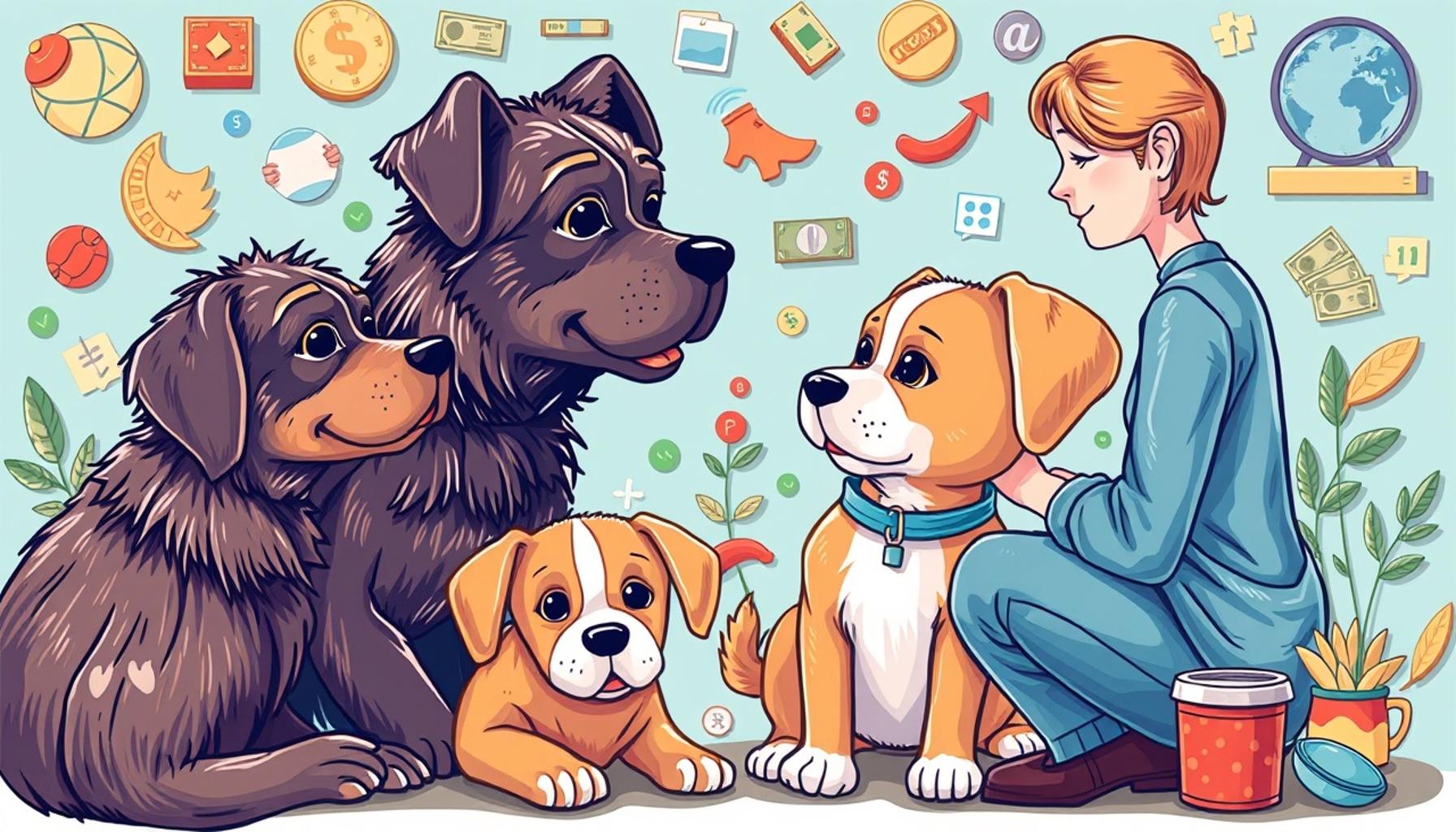
- Meeting various people: Encounters with adults, children, and unfamiliar faces build trust and reduce anxiety. Pet owners can arrange playdates or visits to dog parks, where dogs can interact with kids and strangers alike, making them comfortable around different kinds of people.
The benefits of socialization extend beyond mere coexistence. Socialized pets tend to exhibit fewer behavioral problems, such as aggression and anxiety, leading to a better quality of life. Research indicates that pets who have been well-socialized are less likely to develop phobias, such as fear of thunderstorms or fireworks, which can often lead to dangerous behaviors.
Additionally, they are often more enjoyable companions, enhancing the human-animal bond. Imagine strolling through the neighborhood with a well-socialized dog that calmly greets all passersby instead of barking incessantly. This not only makes for a better experience for the owner but also contributes positively to the community.
In the United States, a well-socialized pet can take part in community events, dog parks, and even therapy programs. Many service animals undergo rigorous socialization training to ensure they can assist in various public settings without issues. The journey to achieving this balance requires understanding and intentional effort, and that’s where informed pet owners play a significant role.

Moreover, various resources, including local dog training classes and community workshops, are available in the U.S. that focus on the importance of socialization. Pet owners can also benefit significantly from insight shared by veterinarians, behaviorists, and reputable pet trainers. Engaging with these professionals ensures that the socialization process is approached correctly, ultimately leading to a well-rounded pet.
Delve deeper into the importance of socialization in pet training and discover how it can transform your pet’s life—and yours. By investing time and care into this crucial aspect of their development, you’re not just training a pet; you’re cultivating a loyal companion ready to tackle life’s adventures with you.
Fundamental Benefits of Socialization in Pets
When it comes to pet training, socialization serves as a foundational pillar that fosters not only good behavior but also holistic well-being. Understanding the significance of introducing your pet to new environments, experiences, and interactions can set the stage for a fulfilling life. Pets that are well-socialized are not only happier but also tend to be more relaxed, approachable, and capable of handling the challenges posed by their surroundings.
One of the most compelling aspects of socialization is its role in preventing behavioral issues. Animals, especially dogs, that have not been socialized may exhibit problematic behaviors, such as fear biting, excessive barking, or anxiousness in unfamiliar settings. To mitigate these risks, pet owners must carefully plan socialization experiences from a young age. According to the American Kennel Club, the critical period for socialization in puppies is between 3 and 14 weeks old. This timeframe is crucial, as interactions during this phase can profoundly influence a dog’s reactions as they mature.
Successful socialization encompasses several key experiences, including:
- Structured Playdates: Arranging meet-ups with other dogs allows your pet to learn appropriate play behaviors. The more positive interactions they have with peers, the better they will learn to communicate and establish boundaries.
- Exposure to Various Public Settings: Taking your pet on trips to pet-friendly locations, like parks or cafés, presents opportunities for them to encounter crowds and sounds they may not experience at home.
- Engagement with Diverse Individuals: Regularly exposing your pet to a variety of people, including children, adults, and individuals wearing different clothing or accessories, promotes adaptability and comfort around strangers.
Building a strong social foundation not only enhances your pet’s adaptability but also improves the overall human-animal bond. When pets feel secure in their interactions with others, whether human or animal, their affections and trust flourish. A dog that greets visitors with a wagging tail instead of fearful barking is a testament to the effectiveness of socialization—the pet is comfortable in their environment and enjoys making new acquaintances. This, in turn, reduces stress for pet owners and fosters a peaceful living space.
Moreover, well-socialized pets often have increased opportunities for engagement in community activities. In the U.S., many animal therapy organizations specifically require a degree of socialization as part of their training programs. Dogs that exhibit composure in bustling environments are prime candidates for roles in therapy and assistance, while cats that are friendly around strangers can find placements in similar programs. These considerations highlight the profound impacts of socialization, extending beyond individual homes into broader community and societal benefits.
As pet owners embark on the journey of socialization, investing the time and effort into nurturing a well-socialized pet can yield immense rewards. Not only will it create a more enjoyable life for both the pet and the owner, but it will also play an integral role in shaping a pet’s future interactions and experiences.
Understanding the Importance of Socialization in Pet Training
Pet socialization is a crucial aspect of training that significantly influences a pet’s behavior and interaction with its environment. When pets are exposed to different people, animals, sights, and sounds in a safe and controlled manner, they become more adaptable and confident. This concept is especially vital during a pet’s formative months. For instance, puppies and kittens have a critical socialization period that extends until they are about 16 weeks old. During this time, experiences can shape their long-term behavior dramatically.One of the key benefits of timely socialization is the reduction of anxiety and fear-related behaviors. Animals that are exposed to varied situations are less likely to exhibit problems such as aggression or timidity later in life. For example, a well-socialized dog is more likely to approach new people and other pets cheerfully rather than barking or cowering. Furthermore, socialization also facilitates the development of positive behavioral traits. When pets learn to interact appropriately, they gain essential social skills that help them navigate their surroundings successfully. Training sessions incorporating socialization allow pets to engage in play, fostering trust and stimulating mental development. Meanwhile, owners can better manage their pets, leading to a harmonious relationship.For many pet owners, understanding the significance of socialization can guide them towards implementing effective training techniques. It paves the way for a journey filled with fun and rewarding experiences, ultimately leading to happier, healthier pets. As you delve into the world of pet training, consider the role of socialization as an indispensable tool for establishing a well-mannered companion.
| Advantages of Socialization | Benefits Explained |
|---|---|
| Improved Behavior | Socialized pets are less likely to display aggression or fear, leading to a balanced demeanor. |
| Enhanced Confidence | Exposure to different environments boosts a pet’s confidence and adaptability to new situations. |
Exploring further into socialization techniques and resources can offer invaluable insights into pet training, ensuring a supportive and enriching environment for our furry friends.
Essential Techniques for Effective Socialization
While the benefits of socialization in pet training cannot be overstated, the methods employed in the process are equally significant. Successful socialization requires a multifaceted approach that incorporates planned activities, positive reinforcement, and a focus on gradual exposure. By employing these essential techniques, pet owners can facilitate meaningful interactions, ensuring their pets thrive in diverse environments.
Positive Reinforcement is a crucial element in socializing pets. Utilizing treats, praise, and affection to reward good behavior during socialization experiences can create positive associations. For instance, when a puppy meets a new dog and remains calm, rewarding them with a treat reinforces that tranquil behavior. This concept of positive reinforcement can also be used effectively in more challenging situations, such as introducing a shy pet to a bustling environment. By recognizing and rewarding calm behavior amidst distractions, owners can encourage resilience in their pets.
Gradual Exposure is another key strategy, which emphasizes the importance of introducing pets to new situations in a controlled manner. Taking small, manageable steps to expose pets to various stimuli—such as loud noises, busy streets, or different types of animals—can significantly reduce anxiety. For example, a owner might start by playing recordings of city sounds at a low volume while the pet is comforted at home. Over time, as the pet becomes acclimated, they can venture out to a park to experience those sounds in real time, ideally in positive company.
Additionally, consistent training classes provide structured learning through socialization. Many pet training centers offer puppy socialization classes aimed at providing a controlled environment where puppies can interact with other dogs and humans. Instructors typically guide the activities, allowing owners to learn how to effectively manage their pets’ behavior. These classes not only provide social experiences but also teach essential commands that help pet owners establish authority and trust, reinforcing that they are the primary caregivers.
Moreover, pet owners should also consider the impact of timing and frequency in socialization efforts. Regular, short outings are often more effective than infrequent, lengthy excursions. For instance, daily visits to a park or regular attendance at neighborhood pet meetups can facilitate ongoing socialization. This consistent exposure enables pets to adapt gradually and comfortably to a variety of environments, situations, and other animals.
Pets that are skillfully socialized often demonstrate improved adaptability, which can translate into enhanced quality of life. For example, a well-socialized dog can navigate visits to the veterinarian or boarding facilities with less stress, which ultimately benefits both the pet and the owner. Furthermore, research has found that socialized pets generally experience a higher level of well-being, exhibiting fewer signs of anxiety and depression compared to their less-socialized counterparts. This supports claims made by veterinary behaviorists indicating that socialization directly correlates with mental health in pets.
Engaging in socialization early in a pet’s life not only cultivates a more balanced personal experience but also opens the door for enriching community interactions, such as participation in local events, obedience competitions, and charity fundraisers. Such opportunities allow pets to serve as ambassadors of their species, promoting adoption and love for animals within society.
Conclusion
In summary, socialization is a fundamental aspect of pet training that shapes the overall temperament and behavior of pets. It not only enhances their comfort in various environments but also fosters a positive lifestyle that benefits both the pet and the owner. By employing effective strategies such as positive reinforcement, gradual exposure, and participating in consistent training classes, pet owners can significantly contribute to their pets’ ability to thrive in social settings.
The importance of timing and frequency in socialization efforts cannot be overlooked as well. Regular short excursions create a more adaptable pet, capable of handling the demands of everyday life, from busy streets to social gatherings. Furthermore, research substantiates that well-socialized pets typically experience lower levels of anxiety and better emotional health, making them not only more enjoyable companions but also less likely to exhibit problematic behaviors.
Moreover, early socialization can lead to enriching experiences beyond the home, opening the door for pets to participate in community events and become ambassadors for their breeds. As society continues to embrace the bond between humans and animals, understanding the role of socialization in pet training becomes increasingly vital. It’s an investment in a pet’s well-being that pays dividends in a harmonious living environment.
So, as you embark on your pet training journey, remember that the socialization process is not merely a phase; it is a lifelong commitment to ensuring that pets grow into well-rounded, happy members of both their household and the broader community.