How to Train Your Cat: Tips for Success in Feline Obedience
Understanding Feline Obedience
Training your cat may seem like a daunting task, but it’s entirely achievable with the right approach. Contrary to popular belief, cats can learn commands and behaviors just like dogs, though they may require different techniques. Many cat owners are surprised to learn that with consistent training, cats can respond to cues and perform tricks, leading to a more interactive experience between pet and owner.
Why Train Your Cat?
Training your feline friend isn’t just about obedience; it enhances the overall relationship you share. Some compelling reasons to consider training include:
- Strengthened Bond: Training fosters communication and trust. Spending time together during training sessions allows you and your cat to develop a deeper understanding of one another’s cues, creating a foundation of trust that can enhance your relationship.
- Behavioral Management: Helps in reducing unwanted behaviors. For instance, if your cat tends to scratch furniture, training can redirect this behavior by teaching them to use a scratching post instead. This not only preserves your belongings but also provides your cat with an appropriate outlet for their natural instincts.
- Intellectual Stimulation: Keeps your cat engaged and mentally sharp. Activities like learning new tricks stimulate your cat’s cognitive abilities, which is particularly important for indoor cats that may not have ample opportunity for physical and mental exercise.
What to Expect
Embarking on the training journey requires patience and consistency. Here are key aspects you should keep in mind:
- Short Sessions: Keep training sessions brief, around 5-10 minutes. Cats have short attention spans, and multiple short sessions throughout the day can be more effective than long, exhaustive training periods.
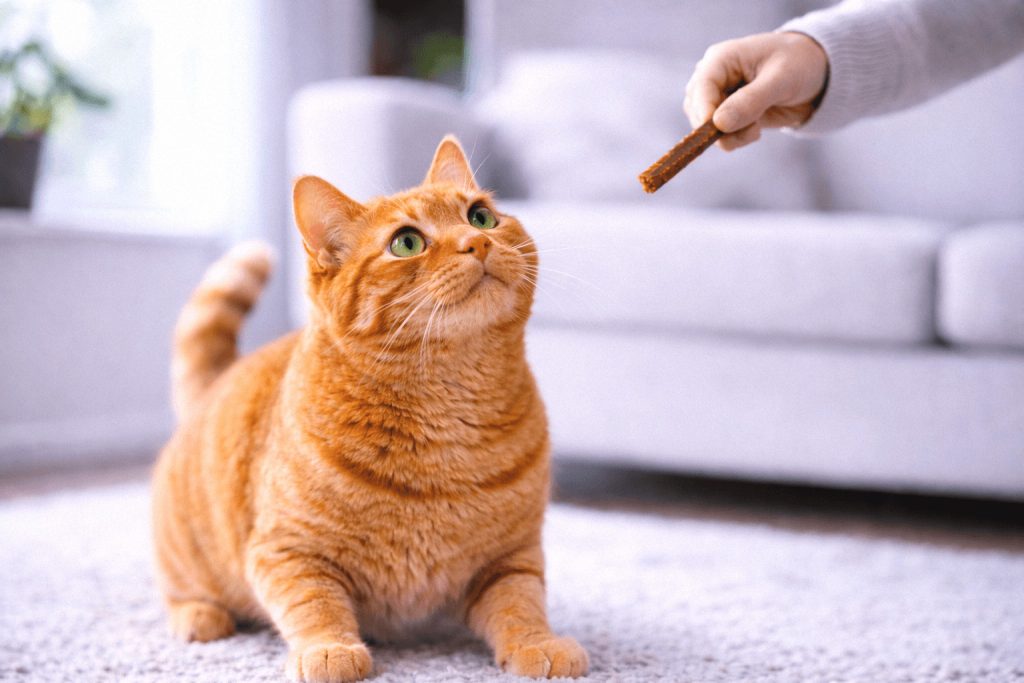
- Positive Reinforcement: Use treats and praise to encourage desired behaviors. For example, if you are teaching your cat to come when called, reward them with their favorite treat or petting immediately after they respond properly. This positive association encourages them to repeat the action in the future.
- Basic Commands: Start with simple commands like “sit,” “come,” and “stay.” Introducing these basic commands can be a fun starting point. For instance, to teach “sit,” gently guide your cat into a sitting position while saying the command, followed by a reward.
Additionally, recognizing your cat’s unique personality traits can enhance your training approach. Some cats may be more food-driven, while others respond better to play. Tailoring your method can enrich the learning experience. Are you ready to uncover the secrets of successful feline obedience? With the right techniques and a playful spirit, you can transform your cat into a well-mannered companion that adds joy to your home life.
Effective Techniques for Training Your Cat
Once you have a grasp of the importance of training your cat, the next step is to explore effective techniques that will set you and your feline friend on the path to success. Cat training does not require specialized skills; however, understanding your cat’s behavior and preferences is key to unlocking their potential. Here are some proven methods to incorporate into your training routine:
Setting the Environment
The training environment plays a crucial role in your cat’s ability to learn new behaviors. Aim to create a space that is free from distractions, allowing your cat to focus solely on you and your commands. Consider the following elements of a conducive training space:
- Quiet Atmosphere: Choose a calm setting, away from other pets or loud noises. This offers your cat the opportunity to concentrate without being overwhelmed by outside stimuli.
- Comfortable Space: Ensure your cat feels secure in the training area. A familiar environment can reduce anxiety and promote a willingness to engage in the training process.
- Accessible Tools: Have treats, toys, and clickers readily available. Accessibility to these items encourages a smooth and engaging training session.
Utilizing Clicker Training
One highly recommended technique in feline training is clicker training. This method utilizes a small handheld device that emits a clicking sound to mark a behavior. Cats quickly learn to associate the click with a desired action, which is promptly followed by a reward. Here’s how to implement this technique:
- Introduce the Clicker: Begin by clicking the device and rewarding your cat with a treat immediately. This helps your cat understand that the click signifies a positive outcome; repetition of this step is essential.
- Train Different Behaviors: Once your cat associates the click with a reward, use the clicker while training various commands. For example, when teaching “high-five,” gently lift your cat’s paw, click when the paw touches your hand, and reward them.
- Consistency is Key: For effective learning, reinforce the clicker sound by using it consistently during all training sessions. Your cat will quickly grasp which actions earn clicks and treats, leading to more engaged training.
Patience and Understanding
The art of training your cat hinges on patience. Cats, with their independent nature, may not automatically comply with commands. Instead, adopt an approach that is both forgiving and encouraging. Understanding your cat’s moods and reactions can help build a positive reinforcement loop. If your cat seems uninterested or withdrawn, it might be best to take a break and revisit training later. Remember, the goal is to make training an enjoyable experience for both you and your cat.
By using these effective techniques, you’ll not only assist your cat in learning desired behaviors but also enhance the bond you share. As you continue your training journey, remember that each small achievement is a step toward a well-behaved and responsive feline companion ready to impress friends and family alike.
Training your cat can be a rewarding journey, not just for you but for your feline friend as well. Understanding feline behavior is essential to creating an environment conducive to obedience. By learning what motivates your cat, whether it’s treats, toys, or affection, you can tailor your training approach to maximize success.
Consistency is key. Just like humans, cats thrive on routine. By setting a consistent training schedule—preferably at the same time each day—you’ll help your cat understand when it’s time to learn. This will make your training sessions more effective and enjoyable for both of you.
Moreover, incorporating play into training can make the process engaging. Cats are naturally playful creatures, so mixing training commands with playtime can catch their attention and keep them focused. For instance, using a wand toy while practicing commands can deepen the bond between you and improve their response to training cues.
Positive reinforcement plays a crucial role in training. Rewarding your cat immediately after they perform the desired behavior strengthens the connection between the action and the reward. Use high-value treats that your cat loves to encourage obedience, making them more likely to repeat the behavior in the future.
It’s also vital to remember that patience is essential. Cats may not respond to commands like dogs do, and training can sometimes take longer. Celebrate small victories and don’t get discouraged by setbacks. Each step forward, no matter how minor, is a step toward a well-behaved cat.
Your choice of training techniques can also make a difference. Explore clicker training as a method to offer clear communication about what behavior is being rewarded. Clicker training utilizes a sound cue followed immediately by a treat, reinforcing desired actions. This method can lead to faster learning and more precise behavior.
Lastly, it’s important to implement training in a variety of environments. Cats often behave differently in new places, so practicing commands in different rooms or even outdoors can help generalize their training. This variety not only keeps the training fresh but also prepares them for potential distractions outside your home.
As you embark on this training journey, remember to enjoy the process. Each moment of learning is a chance to bond with your cat, making the training experience fulfilling and fun!
| Training Techniques | Advantages |
|---|---|
| Positive Reinforcement | Helps in building trust and encouraging good behavior. |
| Clicker Training | Provides clear communication and can lead to quicker learning. |
Understanding Feline Behavior for Successful Training
Training your cat goes beyond simply teaching commands; it involves a deep understanding of feline behavior. Cats are unique creatures, often exhibiting various behavioral traits that can be leveraged during training. By grasping their natural instincts and social patterns, you can effectively motivate your cat and create an enjoyable training atmosphere. Here are some aspects to consider:
Recognizing Feline Body Language
To improve your training sessions, it’s essential to comprehend your cat’s body language. This nonverbal communication can express whether your cat is interested, anxious, or irritated. Here are some key indicators to pay attention to:
- Tail Position: A high, slowly waving tail often signals happiness and curiosity, while a puffed-up tail indicates fear or agitation. Pay attention to these signals to assess your cat’s readiness for training.
- Ears and Whiskers: Forward-facing ears and whiskers indicate alertness and interest, while flattened ears and whiskers pulled back suggest discomfort. Tailoring your training based on these cues helps you avoid overwhelming your cat.
- Vocalizations: Different meows can indicate various moods; a short, rapid meow might mean impatience, while longer, drawn-out meows could express affection. Being attuned to your cat’s vocal sounds can direct your training approach.
Utilizing Playtime as a Training Tool
Another effective method to foster training is through play. Cats are naturally playful, and incorporating games into your training can make learning more enticing. Here’s how you can use playtime to reinforce obedience:
- Interactive Toys: Use toys that encourage your cat to jump or chase, such as feather wands or laser pointers. Each time your cat behaves correctly, reward them with playtime as a means of positive reinforcement.
- Short Sessions: Keep training sessions brief to maintain your cat’s attention. Play for about 5-10 minutes, allowing your cat to rest and recharge before the next session.
- Rewarding Engagement: Praise and treats should follow any signs of interaction with you during play. This encourages your cat to associate training with fun and engagement.
Tailoring Training to Your Cat’s Personality
Every cat has a distinct personality that affects how they respond to training. While some are adventurous and eager to learn, others might be shy or resistant. Recognizing your cat’s individual traits allows you to adjust your methods accordingly. Here are a few suggestions:
- Food Motivation: For food-motivated cats, use high-value treats that they don’t normally receive. Special treats like cooked chicken or fish can entice them to participate actively.
- Gentle Approach: If your cat is timid, avoid direct eye contact and sudden movements. Instead, approach training sessions gently, providing assurance through soft voices and inviting postures.
- Gradual Challenges: Don’t overwhelm your cat by introducing complex commands too quickly. Start with basic tasks and gradually work towards more complicated ones as their confidence grows.
Socialization and Positive Experiences
Socialization plays a vital role in a well-adjusted and trainable cat. Expose your feline to various environments, people, and other pets to reduce anxiety during training. Each experience can help your cat build confidence and adaptability:
- Gradual Introductions: When meeting new people or animals, allow your cat to approach at their own pace. This prevents stress and encourages positive associations with social interactions.
- Outings and New Environments: For the more adventurous cats, brief outings on a leash or carrier can acclimate them to new sights and sounds. This exposure is crucial for building a resilient personality.
- Routine Establishment: Develop a consistent training schedule. Routines help cats feel secure and prepared, paving the way for successful learning.
Understanding these aspects of feline behavior can significantly enhance your training efforts. By fostering a positive, enjoyable environment that aligns with your cat’s natural instincts, you can cultivate an obedient and harmonious relationship with your feline companion.
Final Thoughts on Training Your Feline Friend
In conclusion, training your cat is a rewarding endeavor that hinges on patience, understanding, and consistency. By effectively understanding feline behavior and adapting your training methods to fit your cat’s unique personality, you pave the way for a trustworthy and obedient companion. Remember that positive reinforcement, such as treats and play, are essential tools in your training kit. Making the process enjoyable not only ensures that your cat is more receptive but also strengthens the bond you share.
Moreover, socialization is key. By gently exposing your cat to diverse environments and experiences, you help build their confidence, making them more adaptable and easier to train in the long run. Keep in mind that every cat is different; what works for one may not appeal to another. Be observant of their body language and vocal cues to tailor your approach accordingly.
Ultimately, the journey of training your cat is about creating a harmonious relationship based on mutual respect and understanding. As you implement these techniques, you will discover the joy of a well-behaved feline that not only responds to commands but also engages enthusiastically during training. So take a step forward armed with these insights, and embark on the fulfilling journey of training your cat — you both deserve it!