Advanced Training Techniques for Working Dogs: Harnessing Their Potential

Transforming the Training of Canine Companions
The world of working dogs is undergoing a remarkable transformation with the advent of cutting-edge training techniques. From guide dogs for the visually impaired to detection dogs assisting law enforcement, these remarkable animals are integral to various facets of human life, and their training is becoming more sophisticated than ever. Understanding the principles of advanced canine training can significantly enhance the effectiveness and efficiency of these devoted companions.
One prominent technique reshaping the landscape is Positive Reinforcement. This method focuses on rewarding dogs with treats, praise, or playtime when they exhibit desired behaviors, encouraging them to repeat those actions in the future. For example, a service dog might receive a treat for successfully guiding a handler around obstacles, thereby reinforcing the behavior. This method not only builds the bond between dog and handler but also fosters a more motivated and eager-to-learn canine.
Another widely acclaimed technique is Clicker Training. This involves using a small device that produces a distinct sound – a “click” – to mark the precise moment a dog performs the desired action. The clicker serves as a communication tool, allowing for immediate feedback. For instance, a police dog might be clicked for successfully detecting narcotics, enabling precise learning and faster mastery of complex tasks. This form of communication enhances the training experience, fostering a better understanding between trainers and dogs.
Additionally, Desensitization plays a crucial role in preparing dogs to perform under varying and potentially stressful conditions. Through gradual exposure to stimuli, such as crowds or loud noises, dogs learn to manage their anxiety effectively. This gentle process can be critical for therapy dogs who work in hospitals, allowing them to stay calm and focused while providing comfort to patients.
Furthermore, technology is spearheading innovative training solutions that are reshaping how dogs learn. Various Wearable Devices now allow trainers to monitor dogs’ health and performance metrics in real-time. For example, devices can track a dog’s heart rate and activity levels, providing insights into their physical readiness for tasks. Equally beneficial are Online Courses, which have revolutionized access to expert training for dog owners, offering flexible learning paths suited to individual needs and schedules.
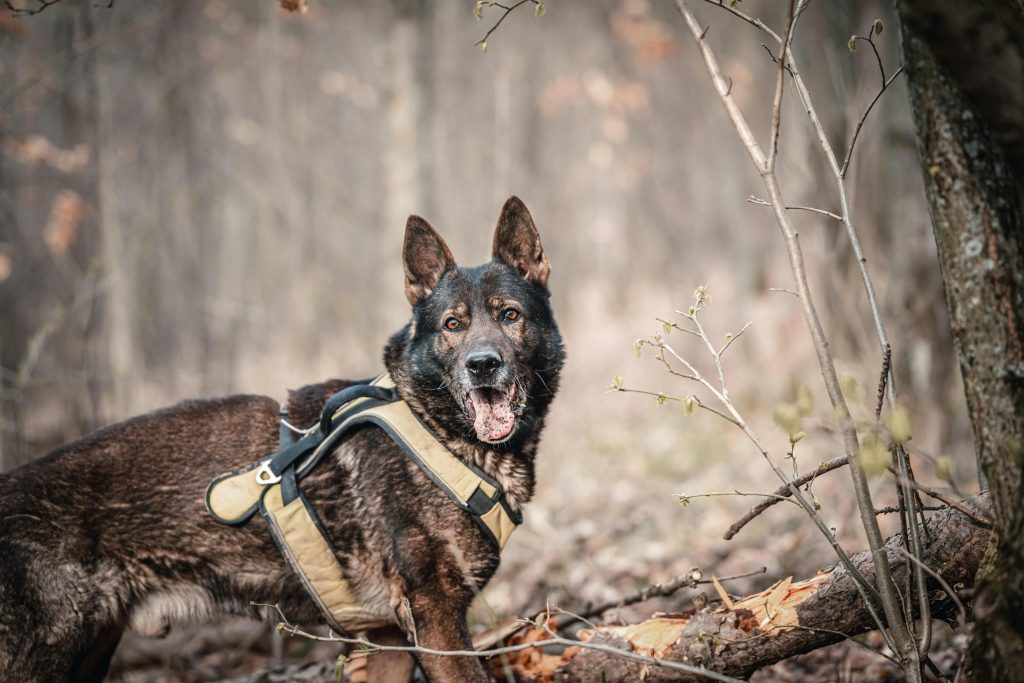
Even more exciting is the advent of Virtual Reality, which creates immersive environments for dogs to train in, exposing them to realistic scenarios without the associated risks of real-life situations. For example, search and rescue dogs can practice navigating disaster sites before facing actual emergencies. These advancements are not only enhancing training efficiency but also ensuring that working dogs are well-prepared for their vital roles.
As we explore these revolutionary techniques further, it becomes abundantly clear that each method is skillfully designed to capitalize on a dog’s natural instincts, transforming the potential of these incredible animals. Readers are encouraged to dive deeper into these advancements and uncover their profound impact on the success of working dogs across the United States, where their contributions in various sectors are invaluable.
Unlocking the Full Potential of Working Dogs
As the role of working dogs expands in various sectors, including search and rescue, assistance for individuals with disabilities, and even therapy, the demand for advanced training techniques is on the rise. The evolving landscape of canine training reflects a deeper understanding of dog behavior and psychology, leading to methodologies that not only enhance a dog’s capabilities but also enrich the human-canine bond.
One foundational aspect of advanced training is the application of Operant Conditioning. This technique involves modifying a dog’s behavior through consequences, reinforcing desired behaviors while discouraging unwanted ones. Trainers use positive and negative reinforcements strategically to shape a dog’s actions, making it an effective tool for various working dog functions. For instance, in military applications, dogs might be trained to exhibit specific behaviors in response to commands, enhancing their operational effectiveness in complex and dynamic environments.
Another essential method in the training repertoire is Targeting, where dogs are taught to focus on specific objects, people, or places. This technique can be particularly advantageous for detection dogs, such as those trained to find explosives or drugs. By teaching a dog to touch a designated target with their nose or paw, trainers can guide them to specific scents or locations more effectively. The use of targeting not only simplifies complex tasks but also enables dogs to work with confidence and clarity.
Building Confidence Through Socialization
Equally important is the element of Socialization, which is critical for a well-rounded working dog. Early and continuous exposure to various environments, people, and other animals lays the foundation for a dog that can adapt to diverse situations. Effective socialization ensures that a therapy dog can remain calm in bustling hospitals or busy public spaces, significantly improving their ability to perform their duties. In addition, it aids in developing a dog’s ability to assess social cues and interactions, increasing their effectiveness in empathetic roles.
- Early Exposure: Introducing new experiences during puppyhood can foster adaptability.
- Ongoing Socialization: Regular interactions throughout a dog’s life reinforce confidence.
- Controlled Environments: Gradual exposure to different settings helps mitigate anxiety.
Moreover, the integration of Game-Based Training has garnered attention as a fun and efficient way to engage dogs in their training. By transforming essential tasks into games, trainers can keep their canine counterparts excited and motivated. For instance, a detection dog can practice their skills in a playful scavenger hunt, making the training enjoyable while reinforcing important behaviors. This not only enhances learning but also helps stave off burnout, a common issue in working dogs.
Through the amalgamation of these advanced techniques, working dogs can be trained more effectively than ever before, unlocking their full potential and enhancing their contributions to society. With improved methods continuously being introduced, the future of canine training promises even greater possibilities for these extraordinary animals. The integration of advanced techniques ensures that these dogs remain resilient, reliable, and ready to take on their vital roles in the communities they serve.
| Training Technique | Advantages |
|---|---|
| Positive Reinforcement | Encourages desired behaviors through rewards, leading to a strong bond between dog and handler. |
| Clicker Training | Provides clear communication of desired behaviors, making training sessions efficient and enjoyable. |
Embarking on the journey of advanced training techniques for working dogs can transform not only the dogs’ performance but also the relationship they share with their handlers. Utilizing methods like positive reinforcement and clicker training, trainers can significantly enhance their dogs’ confidence and responsiveness in various working scenarios.Positive reinforcement focuses on rewarding desirable behaviors, which fosters a healthy and rewarding environment for these remarkable animals. This method leads to advanced skill mastery, making it a foundational technique in canine training. It allows dogs to engage actively, becoming eager participants in their training.On the other hand, clicker training offers a unique way to communicate the precise moment a desired behavior occurs. The use of a clicker as a conditioning tool helps dogs understand exact actions that lead to rewards. This not only accelerates the learning curve but also keeps training sessions lively and fun.These training approaches not only refine dogs’ abilities but also encourage their natural instincts to shine, making them ideal candidates for an array of working roles—from search and rescue to therapy assistance. The implications of using these advanced techniques are substantial, leading to a more competent, confident working dog.
Incorporating Technology in Canine Training
With the fast-paced advancements in technology, the realm of dog training has undeniably evolved, offering innovative solutions to enhance the effectiveness of working dogs. One significant development is the use of clicker training combined with digital monitoring devices. Clickers are a powerful tool that helps trainers provide immediate feedback to dogs for desirable behavior, reinforcing learning. When integrated with apps that track a dog’s progress, trainers can tailor training sessions more effectively, adapting techniques to individual canine needs.
Moreover, GPS tracking collars have made tracking the training and performance of working dogs more precise. These collars can monitor the location and activities of dogs in real-time, which is particularly useful for search and rescue operations. Not only do these devices allow handlers to see how their dogs engage with tasks from a distance, but they also provide critical data that can inform future training methodologies, ensuring that each dog reaches its maximum potential.
Utilizing Sensory Skills and Environmental Adaptation
An additional facet of advanced training lies in harnessing the sensory capabilities of working dogs. Dogs possess an extraordinary ability to smell, with olfactory receptors allowing them to detect scents at astounding concentrations. Training programs now emphasize scent work where dogs learn to identify and distinguish between various aromas. For instance, in law enforcement, dogs are trained not just to alert to the scent of narcotics, but also to differentiate between various substances such as heroin, cocaine, and methamphetamine. Understanding and leveraging a dog’s keen sense of smell can drastically improve their operational effectiveness in the field.
Furthermore, the concept of Environmental Enrichment plays a vital role in a dog’s training regimen. Instead of conventional training that occurs in sterile environments, working dogs benefit greatly from exposure to different stimuli encountered in real-world operations. Training sessions designed within diverse locations—like busy streets, parks, or crowded events—allow dogs to adapt their skills in environments that replicate the challenges they may face during assignments. This method enhances their problem-solving abilities and reduces anxiety, creating a more adaptable and confident working dog.
- Multi-sensory Engagement: Incorporating sight, sound, and smell into training can enhance a dog’s neural pathways.
- Real-World Simulations: Role-playing scenarios significantly prepares dogs for actual missions.
- Adaptive Responses: Teaching dogs to respond to variable conditions ensures reliability in unpredictable settings.
Advanced Behavioral Training Techniques
In addition to physical and mental engagement, addressing behavioral concerns is essential in training working dogs for peak performance. Understanding canine body language allows trainers to discern anxiety or discomfort during training sessions. Implementing Counter-Conditioning and Desensitization techniques can help mitigate fears that a dog might experience in specific environments or situations. This approach is especially pertinent for therapy dogs that must comfortably navigate settings filled with distractions or stressors, such as hospitals or high-traffic public areas.
Ultimately, embracing these advanced training techniques not only enhances the skills of working dogs but also nurtures their overall well-being. As trainers continue to innovate, working dogs are more equipped than ever to tackle tasks across various sectors, showcasing their incredible potential and dedication to service. The combination of technology, sensory proficiency, and advanced behavioral training is reshaping the capabilities of these indispensable companions, making the future of working dogs brighter than ever.
Conclusion
In summary, the field of dog training has seen remarkable advancements, particularly in the context of working dogs. By integrating cutting-edge technology, such as clicker training and GPS tracking devices, trainers now possess tools that significantly enhance the effectiveness and precision of their training methods. The incorporation of a dog’s innate sensory abilities not only allows for improved operational performance but also instills a sense of confidence and adaptability in these remarkable animals.
Moreover, the concept of environmental enrichment and real-world simulations stands out as an essential aspect of preparing working dogs for the challenges they face in the field. By training in diverse settings that mimic actual operational environments, dogs become proficient at handling unpredictability and utilizing their skills to solve problems effectively.
As we continue to explore and apply advanced behavioral training techniques, such as counter-conditioning and desensitization, we unlock greater potential within our canine companions. Their ability to learn, adapt, and thrive is truly astounding, and it is crucial to embrace these progressive methods for their overall well-being.
Ultimately, the future of working dogs looks promising, fueled by innovation and a deep understanding of their capabilities. As trainers harness these advanced techniques, they not only enhance the dogs’ performance but also create stronger bonds between the dogs and their handlers. This synergy will undoubtedly lead to transformative outcomes across various sectors, showcasing the incredible potential of working dogs.