Incorporating Mental Stimulation into Your Pet’s Training Routine
Enhancing Your Pet’s Learning Experience
Every pet parent desires to witness their furry friend thrive, not just in physical well-being but also in mental capacity. Engaging your pet’s mind during training sessions can result in a more productive and enjoyable experience for both of you. Incorporating mental stimulation into your routines is akin to a workout for their brain. This practice not only helps in improving their focus but also fosters a deeper bond between you and your beloved companion.
Fun Brain Games
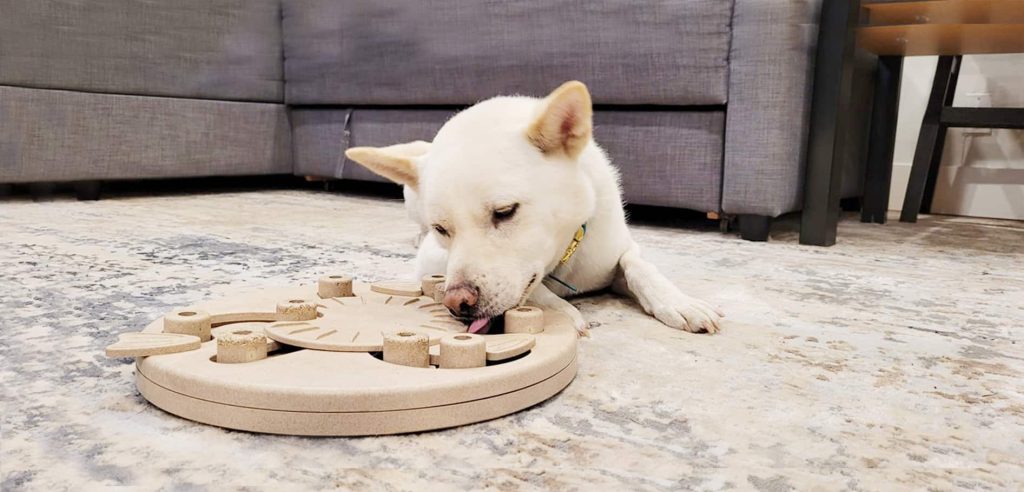
One of the most effective ways to encourage your pet to think is through brain games. Products such as puzzles and treat-dispensing toys can stimulate your pet’s cognitive abilities. For example, a toy that requires your dog to roll it in specific ways to get to a treat not only keeps them entertained but also encourages critical thinking. If you have a cat, consider a puzzle feeder that challenges them to devise a strategy to access the food while keeping their instinctual hunting skills sharp.
Variety in Commands
Variety is the spice of life, especially when it comes to training your pet. Consider incorporating new commands or tricks into your routine. Instead of simply focusing on “sit” and “stay,” teach your dog fun sequences such as “spin” or “play dead.” For cats, teaching them to high-five or jump through hoops can be incredibly rewarding. Each new command not only keeps them mentally engaged but also strengthens the communication between you and your pet.
Exploration Walks
Our busy lifestyles often lead us to stick to the same walking routes. However, taking your pet on exploration walks can be drastically beneficial for their mental health. Varying your path not only introduces them to new scents and sounds but allows them to engage with their environment actively. Instead of a standard walk around the block, consider visiting a nearby park or nature trail where they can encounter different terrains, people, and other animals. This sensory stimulation can greatly excite a pet’s curiosity and cognitive function.
Offering mental stimulation is a crucial measure to stave off boredom, which, if left unchecked, can lead to problematic behaviors such as chewing furniture or excessive barking. A mentally engaged pet is a content pet, making training sessions a positive experience that they look forward to participating in.
In a world driven by busy schedules, making time for both physical and mental exercises might feel like a challenge. However, investing this time is incredibly worthwhile. Not only will you see a happier and more balanced pet, but it will also contribute to a more harmonious relationship in your home environment. With a few adjustments and the right tools, your pet’s training and overall happiness can flourish.
Are you curious to explore beyond the basics? Dive into innovative techniques and tips that can rejuvenate your training methods, ensuring that your pet’s mind stays as sharp as their playful spirit.
Creative Training Techniques for Mental Engagement
When it comes to training your pet, incorporating mental stimulation goes beyond traditional obedience commands. By being innovative and creative in your approach, you can make training sessions more engaging and effective. Here are several strategies that can help elevate your pet’s training routine while also keeping their minds sharp.
Interactive Training Sessions
One dynamic approach is to transform your training sessions into interactive experiences. Rather than simply presenting commands, involve your pet in the learning process. For instance, use a game of hide-and-seek where you hide treats around the house and encourage your dog to find them. This not only stimulates their problem-solving skills but also combines the thrill of searching with basic command training. For cats, consider playing “fishing” games with toys that mimic their natural instincts, which can be an exciting way to incorporate movement and mental engagement.
Utilize Scent Work
Taking advantage of your pet’s natural sense of smell is another fantastic method to enrich their training. Dogs and cats alike thrive when given tasks that utilize their olfactory senses. You can start simple by using hidden treats to encourage them to sniff out rewards or gradually advance to more complex scent puzzles. Here are a few ideas to implement this method:
- Treasure Hunts: Scatter snacks in different rooms and guide your pet to find them.
- Box Searches: Use various boxes, and have your pet identify the one that contains their favorite treat.
- Scavenger Hunts: Create a list of scents for your dog to track down, encouraging exploration and focused searching.
Incorporate Trick Training
Adding exciting tricks to the mix can vastly improve your pet’s mental stimulation while training. Trick training keeps your pet engaged and encourages them to think creatively. Whether it’s teaching your dog to balance a treat on their nose or getting your cat to perform a simple roll, these activities promote problem-solving and increase their attention span. Choose a few tricks that align with your pet’s abilities and gradually build complexity. Highlighting a mix of old and new skills allows your pet to feel accomplished while reinforcing their understanding of the training concepts.
Ultimately, the goal of incorporating mental stimulation in your pet’s training is to ensure they stay excited about learning. This is not just beneficial for their development, but it also enhances your overall relationship by creating shared experiences. By using these techniques, you are laying the foundation for a mentally and emotionally fulfilling dynamic that can significantly improve your pet’s well-being.
As you explore these options, remember that consistency and patience are key to truly benefiting from these practices. With each engaging session, you build a stronger, more dynamic partnership with your furry friend, paving the way for a healthier and happier life together.
Enhancing Your Pet’s Learning Experience
Incorporating mental stimulation into your pet’s training routine is an innovative approach that goes beyond basic obedience. Engaging your pet’s mind promotes greater overall well-being and strengthens the bond between you and your furry companion. As demonstrated by various studies, pets that engage in mentally stimulating activities tend to exhibit fewer behavioral issues and higher levels of adaptability.Notably, activities such as puzzle toys, hiding treats, and teaching new tricks are not merely games; they serve as effective ways to challenge your pet cognitively. For instance, interactive toys designed for dogs and cats require them to think creatively to retrieve a treat, which can keep them engaged for extended periods. Furthermore, implementing short training sessions filled with mental challenges can increase your pet’s focus and retention of commands.Moreover, incorporating differing environments during training can enhance your pet’s ability to learn in various contexts. For example, taking your dog to a park or a new location for training can provide new stimuli, enhancing their problem-solving skills and adaptability.
Social Interaction and Mental Stimulation
Socialization also plays a crucial role in mental stimulation for pets. Arranging playdates with other pets can provide enriching social experiences that seek to sharpen their communication skills and promote better behavior in diverse settings. A well-socialized pet is typically more confident and less prone to anxiety, leading to an overall improvement in their quality of life.The combination of physical exercise and mental challenges is essential for keeping your pet mentally sharp and physically healthy. Prioritizing mental enrichment alongside physical activity ensures that your pet is well-rounded and ready to face the world with curiosity and agility. As you intentionally weave these elements into your training routine, the progress you will observe in your pet’s behavior and attitude will be remarkable.
| Category | Advantages |
|---|---|
| Mental Engagement | Keeps pets alert and reduces boredom |
| Enhanced Learning | Facilitates quicker command retention and problem-solving skills |
This approach to training not only benefits well-being but also builds a foundation for a more responsive and adaptable pet. As you explore these avenues of mental enrichment, the positive outcomes for both you and your pet are bound to unfold.
Engaging Tools for Mental Challenge
To further enhance the mental stimulation in your pet’s training routine, consider incorporating various tools and resources designed specifically for this purpose. These tools not only make training more enjoyable, but they also promote cognitive development by challenging your pet in new and exciting ways. Here are some popular options that you can explore.
Puzzle Toys and Interactive Feeders
Puzzle toys and interactive feeders are excellent devices that combine playtime with mental workout sessions. These toys often require pets to solve problems, such as lifting lids, sliding compartments, or manipulating levers to access food or treats. Dogs can benefit from toys like the KONG Classic, which can be stuffed with treats, while cats may delight in automated laser pointers that encourage them to chase and think critically about their movements. These activities foster not only problem-solving skills but also keep their curiosity piqued and energy levels in check.
Training Classes and Workshops
Enrolling in training classes or workshops centered around mental stimulation can provide new perspectives and methods for enhancing your pet’s learning experience. Many communities offer special sessions focused on agility, scent work, or even advanced obedience techniques. Such environments are especially beneficial as they expose pets to socialization opportunities while testing their skills in a stimulating setting. Engaging with trained instructors can shed light on techniques you might not have otherwise considered, allowing you to adopt more creative training strategies.
Use of Technology for Enhanced Learning
In today’s digital age, incorporating technology into your pet’s training offers unparalleled opportunities for enrichment. Several mobile applications cater specifically to pet owners, providing structured training plans, reminders for tasks, and even video tutorials on executing various training techniques. Notably, apps like Dog Training 101 or Pet Trainer allow you to track your pet’s progress and adapt activities according to their learning curve. Additionally, interactive pet cameras can be used to engage pets remotely, allowing for targeted play and training even when you can’t be physically present, enhancing their mental stimulation during your absence.
Creating an Enrichment Space
Designing an enrichment space at home can significantly benefit your pet’s mental health and training. By dedicating a specific area filled with various textures, toys, and climbing structures, you provide an environment where your pet can explore and discover at their own pace. Consider including items that challenge their thinking, like ramps to climb, tunnels to navigate, and different surfaces to walk on. Cats particularly thrive in these enriched environments, as they can channel their natural instincts for climbing and exploring. For dogs, the space can incorporate a bit of scent work, where hidden treats can spark their curiosity. This kind of setup allows pets to engage in self-directed play and learning, fostering independence along with their training endeavors.
Each of these tools and approaches not only elevates your pet’s training experience but also solidifies the bond between you and your furry companion. The integration of different activities keeps their minds active and encourages healthy behaviors, thus enhancing both physical and emotional well-being. As you implement these ideas, watch for signs of enthusiasm and engagement, as these reactions normally indicate that your pet is truly enjoying the benefits of a mentally stimulating training regimen.
Conclusion
Incorporating mental stimulation into your pet’s training routine is not just a method for enhancing their skill set; it is a vital aspect of their overall well-being. By integrating tools such as puzzle toys, interactive feeders, and technology-driven training applications, you can create a diverse learning environment that keeps your pet both challenged and engaged. The mental workouts derived from these activities foster critical thinking and problem-solving skills, which are essential for a healthy, happy pet.
Moreover, exploring training classes and workshops adds an interactive component that can strengthen the bond you share with your furry companion. These settings encourage socialization and expose pets to new experiences, which are crucial for their emotional development. Coupled with a thoughtfully designed enrichment space at home, you set the stage for your pet to thrive mentally and physically.
As you embark on this journey of enriching your pet’s life, remember that the key to success lies in observation. Pay attention to their reactions during training; their enthusiasm and engagement are indicators that you are on the right path. By prioritizing mental stimulation, not only do you enhance your pet’s cognitive abilities, but you also promote a fulfilling relationship built on trust and communication. Through these efforts, you’re ensuring that your pet leads a more balanced and enriching life, ultimately setting the foundation for a long and happy companionship.