How Daily Routines Impact Dog and Cat Behavior

Understanding Daily Routines and Their Effects
Daily routines are more than just schedules; they profoundly shape the lives of our beloved pets. For dogs and cats, a consistent routine can lead to a healthier, happier existence. This article delves into the intricate ways daily habits influence dog and cat behavior.
The Importance of Routine
Establishing a routine brings several benefits that can transform your pet’s behavior. Here are some key advantages:
- Reduced Anxiety: Predictable schedules provide comfort to pets, lowering their stress levels significantly. For example, dogs that know they will be walked at the same time each day are less likely to experience anxiety or distress, particularly if left alone.
- Improved Training: Consistent activities reinforce training commands and behavioral expectations. When a dog associates sitting on command with receiving a treat at a specific time, it becomes a part of their daily expectations, enhancing learning.
- Healthier Lifestyle: Regular feeding, play, and exercise routines encourage better overall health. Just like humans, pets thrive on physical activity. For example, a cat that engages in daily playtime is less likely to develop obesity-related health issues.
How Routines Affect Behavior
Animals thrive on predictability, and a daily structure can lead to various positive outcomes. Consider the following:
- Enhanced Socialization: Scheduled interactions promote better social skills in both dogs and cats. For instance, a weekly visit to a dog park creates social opportunities to meet other dogs, which enhances social behavior in a controlled manner.
- Behavioral Consistency: Regular activities help set clear boundaries, leading to well-adjusted pets. Cats and dogs develop an understanding of what is expected from them, reducing incidences of unwanted behavior.
- Boredom Reduction: Engaging routines keep pets stimulated, preventing destructive behaviors such as chewing furniture or scratching curtains. For example, rotating toys weekly can keep a pet’s interest alive and satisfy their instinctual needs.
Given the profound impact of daily routines, it’s essential for pet owners to consider how their habits can affect their furry companions. A pet’s behavior can often be traced back to the stability, or lack thereof, in their daily lives. Understanding these intricacies paves the way for improved relationships between you and your pets. As a result, implementing a well-structured routine not only benefits your pet but also enriches your life as a pet owner, fostering deeper connections built on trust and understanding.
The Power of Structure in Pet Lives
In the world of pets, the influence of daily routines cannot be overstated. Dogs and cats are creatures of habit, and their behavior can be significantly affected by the predictability of their daily activities. When a routine is established, pets understand what is expected of them and what they can anticipate throughout the day. This structure not only promotes well-being but also fosters a strong bond between pets and their owners.
Catering to Animal Instincts
Dogs and cats possess innate behavioral instincts that can be nurtured through well-defined routines. Here’s how aligning daily activities with these instincts can lead to positive behavioral outcomes:
- Feeding Schedule: Regular meal times help regulate metabolism and digestion, while also providing security for pets. A consistent feeding schedule can minimize food aggression in dogs and discourage the begging behavior often seen in cats. By knowing when to expect meals, pets can better manage their hunger and stress levels.
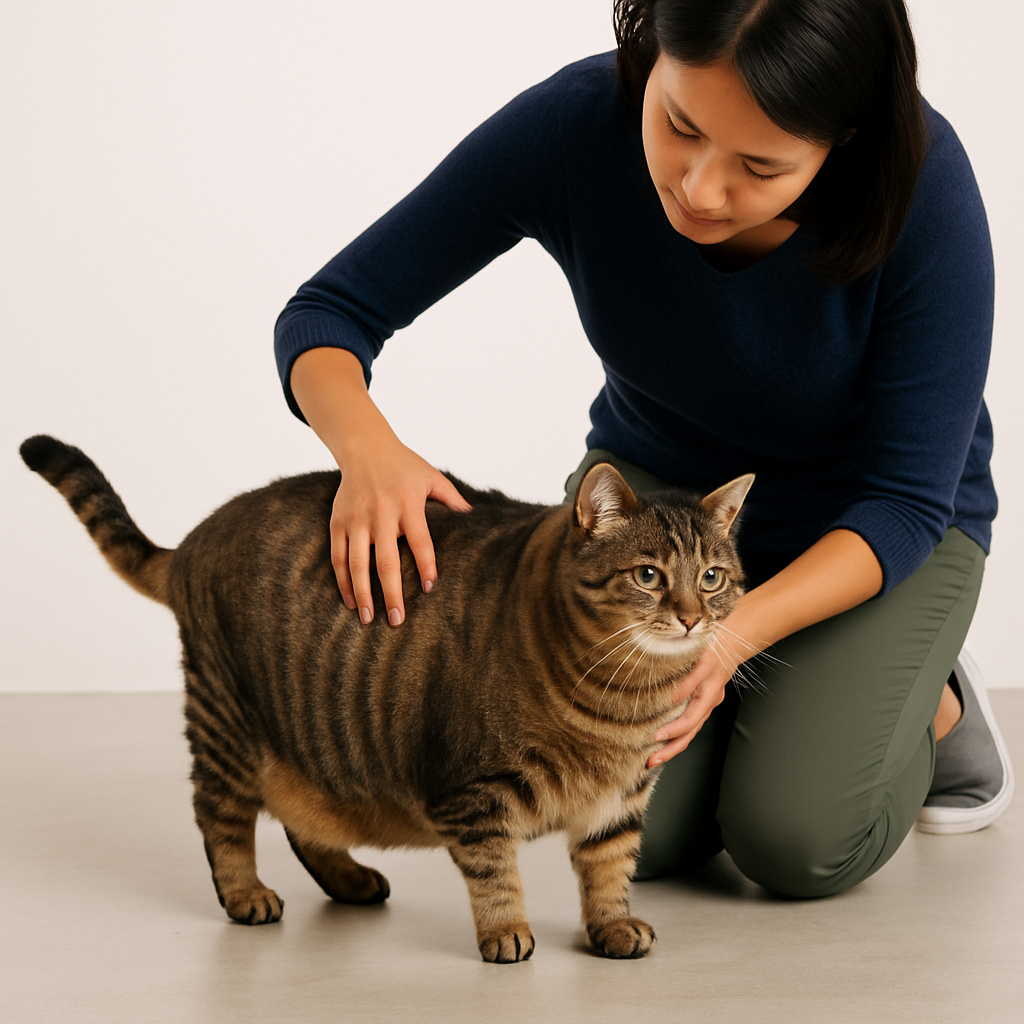
- Exercise Timing: Routine exercise, whether it’s a morning walk for dogs or interactive play for cats, addresses their physical and mental stimulation needs. Regular activity prevents obesity, a growing concern among pets in the United States, and contributes to behavioral improvements, such as reducing hyperactivity and promoting calmness.
- Quality Interaction: Allocating specific times each day for one-on-one interaction not only satisfies pets’ emotional needs but also strengthens the bond with their owners. Social time can include cuddling, grooming, or playing, each contributing to a well-rounded routine that enhances emotional stability.
The Role of Predictability
Predictability is a cornerstone element of effective pet routines. Here are some aspects that highlight its importance:
- Behavioral Confidence: Pets thrive on knowing what comes next. For example, a dog that is aware of a consistent walking schedule is less likely to display anxiety when their owner leaves for work. This understanding comes from repeated exposure to this routine, allowing them to feel secure.
- Reduction of Problem Behaviors: A well-structured day helps to eliminate behaviors that may stem from boredom or anxiety. For instance, a cat that follows an engaging play routine is less likely to exhibit destructive behaviors such as scratching furniture or excessive meowing.
- Balanced Energy Levels: Consistent activity and rest schedules allow pets to manage their energy levels effectively. A dog that has playtime followed by quiet time will learn when to be active and when to relax, leading to a more harmonious living environment.
The impact of a daily routine on your pets’ behavior is profound and far-reaching. By considering their natural instincts and preferences, pet owners can curate a personalized daily schedule that not only fulfills their pets’ physical and emotional needs but also enhances their overall behavior. This approach sets the stage for a fulfilled and contented life for our furry companions, benefiting both pets and their owners in the process.
Understanding the Importance of Daily Routines for Pets
Daily routines significantly influence the behavior and well-being of both dogs and cats. Establishing a consistent schedule helps pets feel secure and become accustomed to their daily activities. For instance, routines related to feeding, exercise, and playtime create a sense of predictability in a pet’s life. This stability reduces anxiety and stress, which are common culprits behind behavioral issues such as obsessive barking or destructive scratching.
Feeding Times and Behavioral Effects
When dogs and cats know when to expect their meals, they exhibit more positive behavioral patterns. Regular feeding times can lead to improved digestion and reduce food-related aggression. Moreover, pets are less likely to engage in begging or scavenging behaviors when they anticipate their feeding schedule.
The Role of Exercise in Daily Routines
A defined exercise regime, such as daily walks for dogs or interactive play sessions for cats, is vital in managing their energy levels. Adequate physical activity not only helps to alleviate excess energy but also stimulates their minds. Engaging in regular play reduces the likelihood of behavioral issues arising from boredom, such as scratching, chewing, or anxiety.
| Category | Impact on Behavior |
|---|---|
| Routine Establishment | Creates a sense of security and predictability. |
| Feeding Schedule | Leads to positive behavior patterns and reduces anxiety. |
Socialization Through Routine
Daily routines also facilitate socialization opportunities for pets. Regular outings to parks or consistent visits from friends or family can help dogs and cats develop better social skills. This exposure to diverse environments and various stimuli promotes adaptability and confidence in both dogs and cats. Developing relationships with other pets and humans can mitigate behavioral issues stemming from isolation or fear.Understanding and implementing daily routines not only enriches the lives of our pets but also fosters a deeper bond between pets and their owners. By focusing on the rhythms of daily life, we can create happier, healthier pets while enjoying the rewards of well-adjusted behavior.
The Importance of Enrichment in Routines
A thoughtful daily routine encompasses more than just feeding and walking; it also includes stimulating activities that engage pets mentally and emotionally. Enrichment plays a critical role in satisfying the innate curiosity and exploration instincts of both dogs and cats. Here’s how incorporating enrichment into daily routines can profoundly influence behavior:
Understanding Natural Behaviors
Both dogs and cats exhibit behaviors that are deeply rooted in their evolutionary history. By recognizing and accommodating these behaviors within their daily routines, owners can help pets develop a healthier, well-rounded demeanor:
- Foraging Opportunities: Dogs and cats often engage in foraging behaviors as part of their survival instincts. Incorporating puzzle toys that dispense food or treats during mealtime can mimic this natural activity. This not only keeps pets engaged but also slows down their eating, which can aid digestion and encourage mental stimulation.
- Instinctual Play: Cats, in particular, are natural hunters. Providing opportunities for chase games using wand toys or laser pointers during playtime taps into their predatory instincts and promotes physical fitness. For dogs, playing fetch or tug-of-war can fulfill their instinctual need for interaction and movement, helping to prevent excessive energy from turning into undesirable behaviors.
- Scent Work: Both species rely heavily on their sense of smell. Incorporating scent games into daily routines, such as hiding treats around the house or yard for dogs to find, can stimulate their minds and satisfy their exploration instincts. Cats can also benefit from scent exploration by engaging with catnip or different textures that pique their interest.
Routine and Emotional Well-being
Beyond their physical needs, emotional well-being is paramount for happy and balanced pets. A consistent routine can foster a sense of safety and trust:
- Stress Reduction: Pet anxiety can often stem from a lack of structure or unpredictable environments. For instance, dogs that experience a consistent morning routine may show reduced separation anxiety when their owners leave for work. By establishing clear expectations, pets are less likely to feel stressed or anxious about their surroundings.
- Confidence Building: Introducing new routines in small, manageable steps can gradually encourage pets to engage with new experiences. For example, if a pet is apprehensive about grooming, integrating short grooming sessions into their daily routine can create positive associations and build confidence. This principle also applies to transitioning a shy dog into social settings, where routine exposure can lead to more sociable behavior.
- Paw-sitive Relationships: Engaging in daily routines together fosters a stronger bond. Activities that incorporate training, such as basic obedience commands during walks, can enhance communication and trust between pets and owners. These positive interactions contribute to a dog or cat’s overall sense of security, ultimately leading to well-adjusted behavior.
Implementing a well-rounded daily routine that incorporates enrichment and emotional support can have a transformative impact on your pet’s behavior. Understanding the balance between fulfilling their instinctual needs and creating a nurturing environment enables pet owners to promote a happier and healthier life for their furry companions.
Conclusion: The Ripple Effect of Daily Routines on Pet Behavior
In summary, the daily routines we establish for our dogs and cats are far more influential than we might realize. Structured activities provide not only the physical necessities of feeding and exercise but also enrich their mental and emotional well-being. By understanding the importance of natural behaviors, including foraging, instinctual play, and scent exploration, pet owners can align their routines with their pets’ innate needs. This alignment fosters happier, more balanced companions who exhibit less anxiety and fear.
Additionally, a consistent routine serves as a powerful tool for promoting confidence and emotional security. For pets, knowing what to expect reduces stress and allows them to navigate their environments with greater assurance. As a result, a well-thought-out daily schedule creates opportunities for bonding and building trust between owners and their furry friends, further enhancing their overall quality of life.
Ultimately, the impact of daily routines on dog and cat behavior cannot be understated. By prioritizing both mental enrichment and emotional support in daily interactions, pet owners can unlock a new realm of possibilities for their pets. This commitment will not only transform the behavior of dogs and cats but will also lead to a more fulfilling partnership between humans and their beloved companions. It’s an invitation to explore, engage, and elevate every moment spent with our pets, making a lasting difference in their lives and ours.