Conscious Living Spaces: Creating Environments that Reflect Our True Needs
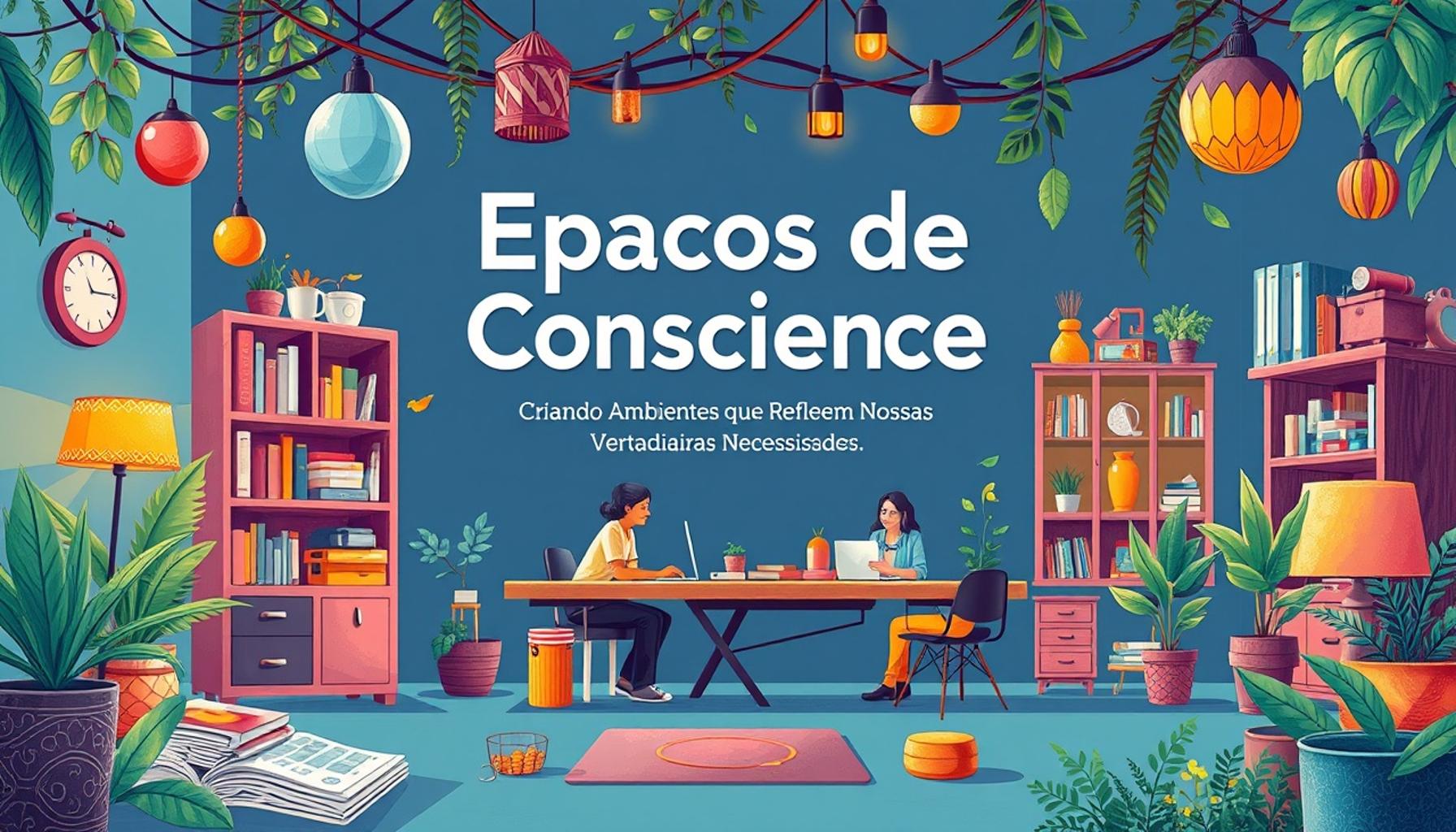
The Importance of Conscious Living Spaces
In today’s fast-paced world, many people are seeking a deeper connection to their surroundings. This quest often leads to the concept of conscious living spaces—environments that prioritize personal well-being, sustainability, and mindfulness. As urbanization increases and life becomes busier, individuals long for a sanctuary that promotes relaxation and balance.
These spaces are more than just aesthetically pleasing; they are designed to meet our emotional, physical, and spiritual needs. The essence of a conscious living space lies in its ability to foster a supportive environment that aligns with our personal values and encourages a healthier lifestyle. Here are several critical elements integral to creating such spaces:
- Natural Light: Maximizing daylight is essential not only for aesthetic appeal but also for enhancing mood and health. Studies have shown that access to natural light can improve sleep patterns, energy levels, and overall mental well-being. For example, large windows or skylights can transform even the smallest of rooms into uplifting retreats.
- Biophilic Design: This involves incorporating natural elements such as indoor plants, green walls, and water features that not only beautify the space but also promote a sense of serenity. Research indicates that spending time around greenery can lower stress levels and increase creativity. Consider adding low-maintenance plants like snake plants or peace lilies to purify indoor air and bring nature inside.
- Mindful Decor: The choice of decor can significantly impact one’s emotional state. Opting for pieces that resonate personally, perhaps items collected during travels or family heirlooms, can create a grounded atmosphere. This mindful approach encourages personalization, ensuring each item serves a purpose or brings joy.
- Sustainable Materials: Utilizing eco-friendly products, such as bamboo flooring or recycled glass countertops, can lessen environmental impact while simultaneously allowing homeowners to feel aligned with their values. By choosing sustainable materials, individuals contribute to the preservation of natural resources while enjoying a healthier home.
By creating environments that reflect our true needs, we pave the way for greater satisfaction and fulfillment in our daily lives. This approach evokes critical introspection, prompting us to ask essential questions:
- What truly makes us feel grounded in our living spaces?
- How can our homes work for us instead of against us?
- Are we fostering spaces that nurture our overall well-being?
As we delve deeper into the nuances of conscious living spaces, we will explore practical strategies and inspiring examples of homes that can transform your current environment into a sanctuary of peace and purpose. Consider looking into local home tours or design showcases that emphasize these principles, or even consult with interior designers who specialize in holistic design practices. The journey towards a conscious living space may be more achievable than you think, yet the transformative effects it can have on your life are profound.
DIVE DEEPER: Click here to learn more
Key Elements of Conscious Living Spaces
Creating a conscious living space requires a thoughtful approach that takes into account various aspects of design and practicality. It is about curating environments that resonate with our individual needs and enhance our quality of life. Several core elements contribute to this idea, each playing a vital role in transforming a house into a nurturing home.
1. Functionality Meets Aesthetics
A conscious living space should serve both functional and aesthetic purposes. As we design these environments, we must ask ourselves how each area can be used effectively while also providing visual pleasure. For instance, an open-plan layout can promote a sense of flow and connectivity, while dedicated nooks for activities such as reading or meditation can bring a sense of tranquility. The combination of functionality and beauty can transform everyday routines into meaningful experiences, adding richness to our lives.
2. Sensory Awareness
Engaging the senses is integral to creating conscious living spaces. Elements like texture, scent, and sound can dramatically affect our mood and well-being. Consider incorporating soft fabrics, soothing colors, and calming scents to create an inviting atmosphere. For example, using essential oil diffusers or scented candles can fill your space with uplifting aromas, while soft textiles like organic cotton or linen can enhance comfort. By stimulating our senses, we cultivate environments that promote relaxation and mindfulness.
3. Personal Connection
Our living spaces should reflect who we are and what we love. This personal connection can be achieved through the careful selection of art, décor, and furnishings. When choosing items for your conscious living space, consider the stories behind them. Whether it’s a painting from a local artist you admire or a handmade piece from your travels, these items can instill a sense of identity. Building a connection with our surroundings provides comfort and meaning, creating an atmosphere where we feel truly at home.
4. Flexibility and Adaptability
Life is ever-changing, and our living spaces should be able to adapt alongside us. Flexible furniture arrangements and multi-functional spaces allow for effortless transitions between activities, ensuring that our homes can accommodate various needs. For instance, a cozy corner that doubles as a workspace during the day can transform into a relaxation zone at night. This adaptability encourages creativity and exploration within our environments, allowing us to thrive in different aspects of our lives.
5. Intentional Community Spaces
In a world that often isolates us, creating spaces that foster community and togetherness can be profoundly impactful. Conscious living spaces that incorporate communal areas can enhance social interactions, from hosting gatherings to nurturing familial ties. Thoughtfully designed kitchen and dining spaces can become the heart of the home, where stories are shared, and memories are made. By prioritizing community, we strengthen our connections and reinforce a support system that fosters emotional well-being.
As we consider these key elements of conscious living spaces, it becomes evident that our environments play a significant role in shaping our mental and emotional health. By integrating functionality, sensory awareness, personal connection, flexibility, and community design, we can create spaces that not only meet our needs but also inspire us to live more fully.
| Category | Description |
|---|---|
| Sustainable Materials | Eco-friendly options that minimize environmental impact and enhance health. |
| Personal Well-being | Spaces designed to nurture mental and emotional health, leading to increased productivity. |
| Adaptable Design | Flexible layouts that can evolve with changing lifestyles and needs. |
The concept of conscious living spaces extends beyond aesthetics; it integrates a deeper understanding of health and environmental consciousness to create a habitat that not only looks good but feels right. By using sustainable materials, homeowners can contribute to a healthier planet while simultaneously improving the air quality within their living environments. Moreover, the design of personal well-being spaces fosters a serene atmosphere that supports relaxation and rejuvenation, which is crucial in today’s fast-paced life. Implementing adaptable designs allows for a dynamic space that grows along with its inhabitants, offering a continuous reflection of their evolving needs. With mindfulness at the forefront, conscious living encourages individuals to engage with their spaces in a way that promotes a more intentional lifestyle. This dialogue between self and environment is essential for creating homes that deeply resonate with personal essence and provide a sanctuary tailored to one’s unique rhythm.
DIVE DEEPER: Click here to discover the art of conscious possession
Integrating Nature and Sustainability
One of the most significant aspects of conscious living spaces is the integration of nature and sustainability. As many homeowners grow increasingly aware of the environmental impact of their choices, determining how to create spaces that not only serve personal needs but also respect the planet has become a pressing concern. Biophilic design, which emphasizes a connection with nature, is a fundamental principle in achieving this aim. By incorporating natural elements into our environments, we can foster well-being and tranquility.
1. Indoor Greenery: A Breath of Fresh Air
Bringing plants into your living space can dramatically improve air quality and enhance mood. Research has shown that indoor plants can reduce stress, increase productivity, and promote overall health. Consider adding a variety of plants, both large and small, to create a vibrant, inviting atmosphere. Low-maintenance options like snake plants, pothos, or peace lilies are great choices for those new to indoor gardening. Beyond aesthetics, these living elements also serve as powerful reminders of our connection to the natural world.
2. Natural Materials
Utilizing natural materials in your home not only fosters sustainability but also enhances the aesthetic comfort within conscious living spaces. Materials such as reclaimed wood, stone, and bamboo contribute to a more organic feel, evoking warmth and authenticity. This approach leads to reduced carbon footprints, as the production of sustainable materials often requires less energy and resources than their synthetic counterparts. When selecting furnishings, look for those made from responsibly-sourced materials that are not only beautiful but also built to last.
3. Energy Efficiency and Smart Home Technologies
Adopting energy-efficient appliances and smart home technologies can further enhance the functionality of your conscious living space. Smart thermostats, LED lighting, and energy-efficient windows not only contribute to lower utility bills but also make it easier for homeowners to monitor their carbon footprint. Many new materials and technologies can help regulate heating and cooling, ensuring that living spaces maintain a comfortable environment year-round. By embracing these innovations, we create homes that are not only eco-friendly but also conducive to healthy living.
4. Mindful Color Palette
The colors we surround ourselves with can deeply affect our emotions and mental state. In designing a conscious living space, consider choosing a mindful color palette that reflects serenity and harmony. Soft, neutral tones such as greens, blues, and earth shades can evoke feelings of calm, while accent colors can bring energy into specific spaces. The right color scheme can nurture creativity or promote relaxation, offering a visual structure that is as functional as it is beautiful.
5. Incorporating Wellness Zones
Creating wellness zones dedicated to activities like yoga, meditation, or exercise can significantly enhance the wellbeing of those who inhabit a space. Designate areas that foster mindfulness and reflection, complete with natural lighting and minimal distractions. Such zones can encourage regular practice and self-care, integral components of conscious living. Furthermore, having a designated area for physical activity can serve as a reminder to prioritize health and wellness amidst daily routines.
By focusing on integrating nature, sustainability, and wellness into our living spaces, we can create conscious environments that cater to our true needs. These elements work together to form holistic spaces that nurture the body, mind, and spirit, while also honoring the world around us.
DISCOVER MORE: Click here to dive deeper
Conclusion
Creating conscious living spaces is an essential journey towards developing environments that genuinely reflect our needs and values. By integrating elements of nature, sustainability, and wellness into our homes, we unlock the potential for places that not only support our physical comfort but also enhance our mental and emotional well-being. The principles of biophilic design remind us of the profound connection we share with the natural world, encouraging us to embrace features like indoor greenery and natural materials that foster a healthier living atmosphere.
Moreover, adopting energy-efficient technologies and mindful color palettes can greatly contribute to our overall quality of life while lessening our ecological footprint. As we designate wellness zones and incorporate practices that nurture mindfulness and reflection, we begin to truly cultivate spaces that inspire and rejuvenate us on a daily basis.
In conclusion, as the concept of conscious living continues to evolve, we are encouraged to deeply consider how our environments shape our experiences. Reflecting on our true needs—both individually and collectively—can lead us toward creating holistic spaces that honor our well-being and the health of our planet. As we strive for harmony in our living spaces, let us embark on this enriching journey to create our ideal home, where every choice aligns with who we are and who we aspire to be.