Effective Training Techniques for Puppies: Building a Strong Foundation

Understanding the Importance of Puppy Training
Training your puppy is not just a chore; it’s an essential part of building a harmonious relationship. A well-trained puppy becomes a happy and well-adjusted member of your family, providing companionship and joy. Through effective training, you can foster a strong bond that benefits both you and your puppy throughout their life. Proper training lays the groundwork for a future filled with successful interactions and social integration.
The Importance of Early Training
Beginning training early sets the stage for lifelong good behavior. It is during the first few months of life that puppies are particularly impressionable, making this an ideal time for them to learn essential commands and social skills. Research from the Association of Professional Dog Trainers emphasizes that puppies should start learning basic commands as early as seven weeks old. These foundations can prevent behavioral issues that might surface later, such as chewing furniture, excessive barking, or anxiety in social situations.
Effective Training Techniques
Effective training techniques encompass a variety of approaches, each suitable for different learning styles. There is no cookie-cutter solution, and understanding your puppy’s unique personality is essential. Consider the following impactful methods:
- Positive Reinforcement: Rewarding good behavior with treats, praise, or play encourages repeat performances. For example, if your puppy sits on command, immediately give them a treat and lots of affection. This reinforces the behavior, and soon your puppy will associate the action with positive outcomes.
- Clicker Training: A precise timing method that uses a clicking sound to mark desired behaviors, making it clear to your puppy exactly what action is being rewarded. To use this technique, you would click the clicker at the moment your puppy successfully follows a command, like “stay” or “come,” followed by a treat. This technique works well because it bridges the gap between action and reward.
- Socialization: Exposing your puppy to different environments, people, and other animals is vital for balanced development. A well-socialized puppy is more confident and less likely to exhibit fear or aggression towards new experiences. For instance, you might take your puppy to a pet-friendly park, allowing them to interact with other dogs and people. This exposure is invaluable for helping them learn appropriate behaviors in various settings.
The Role of a Responsible Pet Owner
As a responsible pet owner, understanding these techniques is crucial for your puppy’s development. Effective training not only enhances your puppy’s manners and safety but also ensures a stronger bond between you and your pet. The journey of puppy training can be immensely rewarding but requires patience, consistency, and dedication.
In the following sections, we will delve deeper into various training strategies, their benefits, and how to effectively implement them. Your journey toward having a well-trained puppy begins now, where each milestone will bring you closer to a fulfilling and respectful companionship with your furry friend!
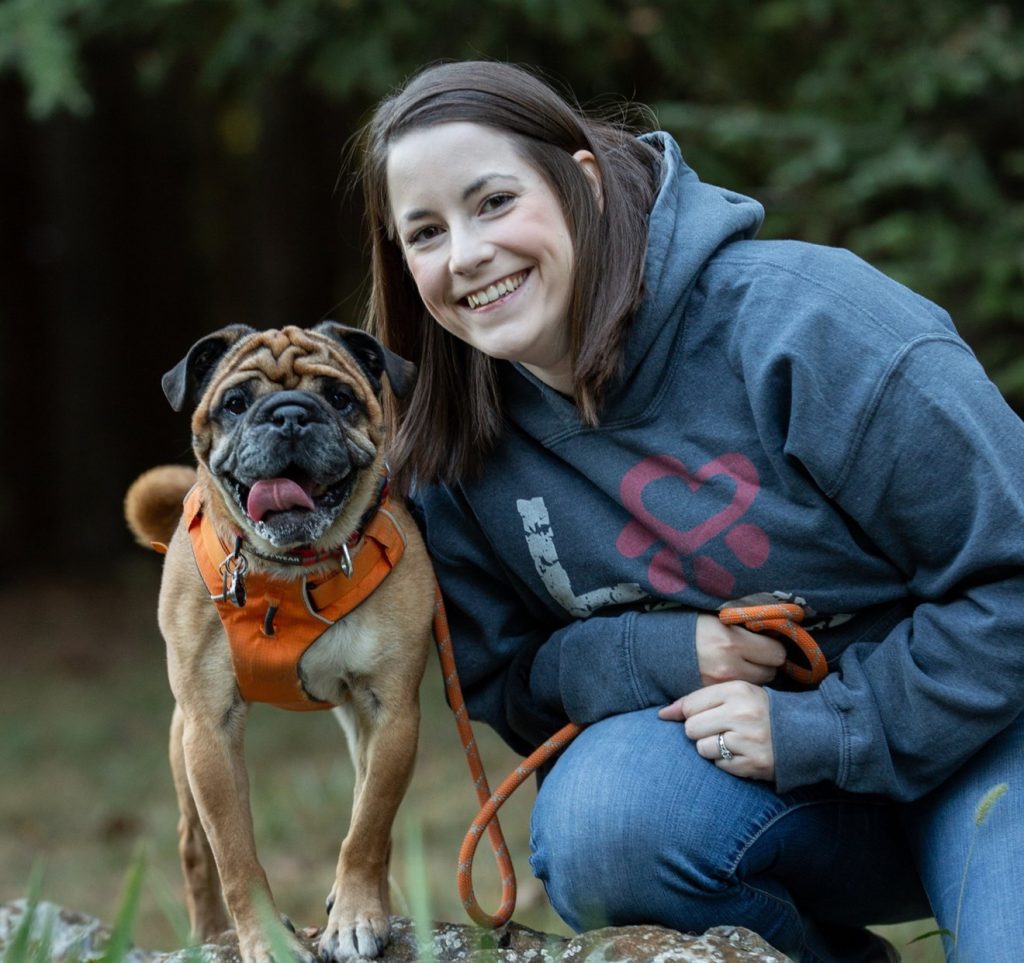
Exploring Effective Training Techniques for Puppies
As you embark on the journey of training your puppy, it is essential to explore a variety of techniques that cater to their learning styles. Every puppy is unique, and discovering what works best for yours can significantly enhance the training process. By employing effective methods, you can shape your puppy into a well-behaved companion while reinforcing your bond. Let’s delve into several notable training techniques you can implement to build a strong foundation for your puppy’s development.
Creating a Positive Learning Environment
One of the cornerstones of successful puppy training is fostering a positive learning environment. This approach not only promotes trust but also encourages your puppy to engage willingly in the learning process. To achieve this, consider the following strategies:
- Ensure Comfort: Make sure your training space is free from distractions and noise. A calm environment allows your puppy to focus on learning new commands without interruptions.
- Use High-Value Rewards: Find treats or toys that your puppy loves, and use them as rewards. High-value rewards—like small pieces of chicken or their favorite squeaky toy—can motivate your puppy to respond to commands more eagerly.
- Short Training Sessions: Puppies have limited attention spans, so keep training sessions brief—around 5 to 10 minutes. Frequent, short sessions are often more effective than infrequent, longer ones. This prevents your puppy from becoming overwhelmed or bored.
Establishing Consistency and Routine
Consistency is crucial when training puppies. Establishing a routine helps reinforce learning and helps your puppy understand what to expect. Here are some key points to consider:
- Use the Same Commands: Always use the same verbal cues for each command. If you teach your puppy to “sit,” avoid using alternative phrases like “sit down.” Consistent language helps your puppy associate commands with actions more easily.
- Set a Training Schedule: Incorporate training into your daily routine, such as before meals or after walks. Consistency in timing helps your puppy grasp the training structure and anticipate learning moments throughout the day.
- Involve Family Members: If others in your household interact with your puppy, ensure everyone uses the same commands and rewards. This collaborative effort fosters a united front in training and reduces confusion for your puppy.
The Significance of Patience
Patience is a crucial aspect of training, and it is essential to remember that mistakes are a natural part of the learning process. Puppies do not understand commands or expectations right away. Being calm and patient during training helps instill confidence in your puppy. Celebrate small successes, and don’t punish failures. Instead, redirect unwanted behaviors and reinforce positive actions consistently. This approach not only uplifts your puppy’s spirits but also strengthens your relationship.
Your commitment to employing effective training techniques will cultivate a solid foundation for your puppy’s growth, ensuring they become a well-behaved and integrated member of your family. As you continue exploring various methodologies, you will witness remarkable progress, leading to an enriching companionship that lasts a lifetime.
Effective Training Techniques for Puppies
When it comes to raising a well-behaved puppy, the right training techniques are crucial. Effective puppy training provides not only obedience but also strengthens the bond between the pet and the owner. Below are some innovative approaches that can yield excellent results.
Positive Reinforcement
One of the most essential techniques in puppy training is positive reinforcement. This method involves rewarding desired behaviors with treats, praises, or playtime, thereby encouraging the puppy to repeat those actions. Research shows that puppies trained with positive reinforcement are generally more confident and less anxious. Remember, the key is to give reinforcement immediately after the desired behavior occurs to establish a clear connection.
Socialization
Early socialization is vital in a puppy’s development. Exposing your puppy to various environments, people, and other animals helps them to adapt and feel comfortable in different situations. Socializing your puppy early on can prevent behavioral issues later in life, such as fearfulness or aggression toward unfamiliar stimuli. Consider enrolling your puppy in a puppy socialization class or organizing playdates with well-behaved dogs.
Consistency and Patience
Consistency is critical when training a puppy. Establishing a routine, using the same commands, and ensuring all family members are on the same page will lead to better results. Patience is equally important. Training can be a slow process, and puppies often need time to grasp new concepts. Avoid negative interactions to create a constructive learning environment that will foster growth and development.
The “Leave It” Command
Teaching your puppy the “leave it” command is an effective way to keep them safe from harmful objects or substances they might encounter while exploring. This command not only aids in keeping your puppy safe but also promotes self-control. Start by presenting a treat, then cover it with your hand. When your puppy stops trying to get to the treat, say “leave it” and reward them when they remain calm.
Engagement Through Play
Incorporating play into training sessions can improve engagement and make learning fun for your puppy. Use toys during training to motivate your pup and create a positive association with learning. Keep sessions short but frequent, such as 5-10 minutes two to three times a day. This approach helps retain their focus and maintains their enthusiasm.
Veterinary Consultation
Lastly, don’t overlook the importance of consulting with a veterinarian or certified dog trainer. They can provide insights into breed-specific behavior and training methods. Knowledgeable professionals can help you develop a tailored training program that addresses your puppy’s unique needs.By implementing these techniques, you will be setting your puppy up for lifelong success. The foundation of effective training can lead to a well-adjusted, happy dog that is a joy to have by your side.
Reinforcement and Correction: The Dual Approach
When it comes to puppy training, understanding reinforcement and correction is essential for nurturing a well-behaved companion. Utilizing these two principles can motivate puppies to respond positively while also providing clarity on boundaries. Below are strategies that encompass both techniques:
Positive Reinforcement Techniques
Positive reinforcement is about rewarding desirable behaviors to increase their frequency. This method is scientifically proven to be effective and is aligned with modern training philosophies. Here are several ways to effectively implement positive reinforcement:
- Use Clicker Training: Clicker training involves using a small device that makes a clicking sound to mark desired behaviors. When your puppy exhibits the behavior you want, click the device and immediately reward them. This distinct sound helps your puppy associate their action with positive reinforcement.
- Gradually Increase Criteria: Start by rewarding behaviors that are close to what you want. As your puppy becomes more proficient, gradually raise the expectations for rewards. For example, if you are teaching “stay,” begin by rewarding your puppy for just a moment of staying in place. Over time, increase the duration.
- Variety in Rewards: While treats are typically a go-to for rewards, mixing things up with playtime, verbal praise, or toys can maintain your puppy’s motivation. Different puppies respond better to different rewards; it’s important to experiment to find what excites your furry friend the most.
Effective Correction Strategies
While positive reinforcement is key, learning how to correct unwanted behavior is equally important. Correcting doesn’t mean punishing; rather, it involves guiding your puppy in a constructive way. Consider the following approaches:
- Redirecting Behavior: If you catch your puppy chewing on something inappropriate, redirect their attention to an appropriate toy. This strategy teaches what is acceptable while still offering your puppy a chance to explore.
- Implementing a “No” Cue: A firm but gentle “no” can help convey that a behavior is undesirable. Use an appropriate tone to express disapproval without creating fear. Follow up by guiding your puppy towards the right action and rewarding them for it.
- Consistency in Corrections: Just as consistency in training commands is crucial, the same applies to corrections. Each family member should be on the same page about what behaviors are unacceptable. This uniformity prevents confusion and reinforces your puppy’s understanding.
Socialization as a Critical Component
Another essential factor in training your puppy is socialization. Early socialization experiences are paramount for developing confident, well-rounded dogs. Here are effective ways to enhance your puppy’s socialization:
- Expose to Diverse Environments: Introduce your puppy to different settings, sounds, and smells. Whether it’s a busy park, a quiet street, or a friend’s home with other pets, exposing your puppy to various experiences helps reduce anxiety and builds adaptability.
- Facilitate Positive Encounters: When meeting new people or animals, ensure the encounters are positive. Encourage gentle interactions, and use treats to reward calm behavior during these introductions.
- Attend Puppy Classes: Enrolling in puppy training classes can provide valuable social opportunities. These classes not only allow your puppy to interact with other dogs but also offer instruction from professionals on proper behavior and training techniques.
By incorporating effective reinforcement techniques, manageable corrections, and comprehensive socialization experiences, you lay the groundwork for a balanced approach to training. This multifaceted method will enhance your puppy’s social skills and overall behavior, ensuring you both enjoy every step of your journey together.
Conclusion: The Path to a Well-Behaved Puppy
In conclusion, effective training techniques for puppies are fundamental in establishing a solid foundation for your furry companion. By embracing a balanced approach that integrates positive reinforcement, constructive correction, and essential socialization, puppy owners can foster an environment conducive to learning and growth. Each element contributes uniquely to your puppy’s development—positive reinforcement encourages desired behaviors, while constructive corrections provide clarity and guidance on what is unacceptable. Additionally, socialization plays a pivotal role in cultivating a well-adjusted dog capable of thriving in various settings.
It is essential to remember that patience and persistence are key in the training process. Each puppy is unique, and understanding their individual needs can lead to more effective outcomes. Owners should continually assess their techniques and adapt to ensure optimal learning, nurturing, and bonding with their pets. Taking advantage of resources, from professional classes to online communities, can further enhance the training experience.
Ultimately, the journey of training a puppy is as rewarding for the owner as it is for the dog. By investing time and energy into learning effective training techniques, you are not only shaping a well-behaved pet but also enriching the joyful companionship that comes with owning a dog. The path may be challenging, but with consistency and love, you will witness the remarkable transformation of a puppy into a devoted and well-mannered friend.