How to Choose the Right Shelter or Rescue Organization During the Adoption Process
Finding Your Perfect Match
When considering pet adoption, selecting the right shelter or rescue organization is a critical first step. The decision not only impacts your experience but also influences the well-being of the animals involved. With so many options available, it’s essential to understand what to look for in an organization. The values and efforts of the organization you choose will play a significant role in ensuring a positive experience for both you and your new pet.
Key Features to Consider
Choosing a shelter or rescue organization can seem daunting. However, focusing on a few key features can simplify your decision-making process:
- Transparency: Look for organizations that are open about their operations and animal care practices. Visit their websites to gain insight into their policies and procedures. A reputable shelter should readily provide information about the animals they care for, including their health records and any known behavioral issues. Additionally, consider visiting the facility to see firsthand how the animals are housed and cared for.
- Reputation: Research reviews, ask for references, and seek recommendations from fellow animal lovers. Websites like Adoptapet.com and Petfinder.com can be valuable resources while examining feedback from other adopters. Talking to local veterinarians or pet supply stores can also yield recommendations, as they often collaborate with various shelters and rescues.
- Support Services: Consider shelters that offer post-adoption support, such as training and behavioral resources. Many major organizations provide free or discounted training sessions, which can help both you and your pet adjust during the initial transition. Additionally, inquire whether they have a return policy and the availability of resources if challenges arise.
Questions to Ask
Before making a decision, it’s wise to ask specific questions to gauge the organization’s suitability:
- What is your adoption process like? Understanding the steps, from filling out an application to any home checks or interviews, helps manage your expectations.
- How do you assess the animals’ health and behavior? Knowing how the organization evaluates the animals can indicate their commitment to ensuring pets are placed in suitable homes.
- What are your policies on returns and support after adoption? A good organization will have a clear process for returns, should the adoption not work out, and will offer assistance in acclimating your new pet.
Taking the time to evaluate these aspects will not only enhance your adopting experience but also ensure you are making a responsible choice for both yourself and your future furry friend. This process may seem lengthy, but it is essential for finding a harmonious match that fits your lifestyle. In the following sections, we will delve deeper into effective strategies for navigating this journey toward adoption, aiding you in your quest for companionship.
Understanding Your Adoption Goals
Before diving into the adoption process, it’s crucial to reflect on your specific goals and expectations regarding pet ownership. Different shelters and rescue organizations cater to varying needs and mission statements that align with certain types of adopters. Identifying what you want in a companion animal can significantly narrow down your options. Consider asking yourself a few pivotal questions:
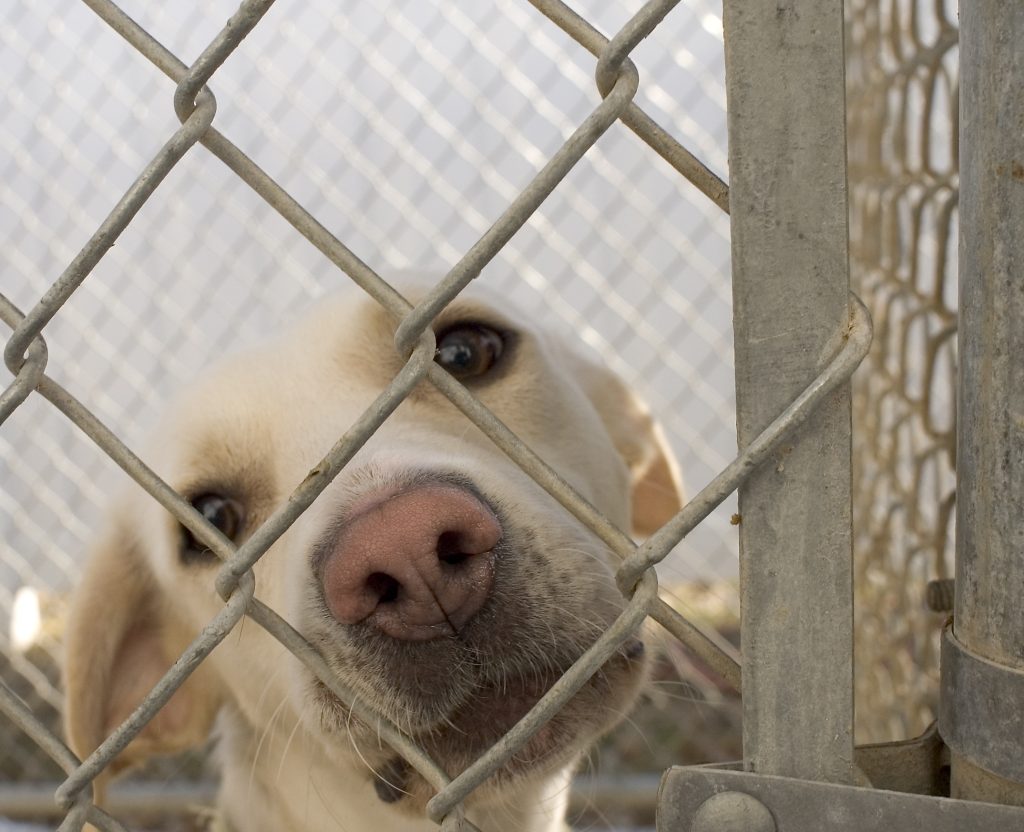
- What type of pet fits your lifestyle? Are you looking for a playful puppy, a calm senior dog, or perhaps a cat with a distinct personality? Beginners may benefit from older animals known for their temperament.
- How much time can you dedicate to training and socialization? Puppies require more time and training compared to adult dogs or cats. Knowing how much commitment you can offer will guide you toward the right shelter options that have the animal age you desire.
- Do you have any specific breeds in mind? Some shelters specialize in purebred animals or have breed-specific rescue groups. If you’re set on a particular type, this information can assist in locating the right organization.
- Are you prepared for any long-term responsibilities? Consider the financial implications too. Adoption fees often cover initial vaccinations and spaying/neutering, but ongoing costs for food, medical care, and other needs can add up. Certain shelters might even provide a detailed cost breakdown.
With these questions in mind, it helps to create an outline of your ideal pet, making it simpler to evaluate shelters or rescue organizations that can meet your expectations. Remember, this journey isn’t solely about you; it’s also about ensuring your future pet is a happy match for your home environment.
Exploring Available Resources
After understanding your goals, utilize available resources to your advantage. The internet serves as a powerful tool for research, offering a wealth of information on various shelters and rescue organizations. Look into their mission statements, available animals, and the frequency of adoption events. Specialized sites like Petfinder or AdoptaPet not only list available pets but also allow filtering for specific needs. For instance, you can search for hypoallergenic animals, behavioral concerns, or animals that form bonds with children.
Don’t underestimate the importance of visiting in person as well. Personal interactions will give you a clear understanding of how the organization operates. During your visit, observe how the staff interacts with the animals. Are they knowledgeable and compassionate? Do the animals appear well-cared for and socialized? These elements can indicate the organization’s overall quality.
Lastly, take the time to connect with current or past adopters. Many shelters host community events where you can meet individuals who have adopted through them. Their insights will offer valuable understanding and might highlight aspects you hadn’t considered.
In summary, navigating the vast array of shelters and rescue organizations is an essential factor in the adoption process. Engaging your own expectations and researching various resources while visiting potential shelters are effective strategies to ensure that you find the right fit for your future pet. Every step you take toward understanding your needs ultimately leads to a more fulfilling companionship with your new furry friend.
| Category | Details |
|---|---|
| Reputation | Research the organization’s history, reviews, and success stories to ensure they have a solid track record in animal welfare. |
| Transparency | Ask about their adoption process, fees, and policies to guarantee that they operate with integrity and clarity. |
| Support Services | Evaluate if they provide post-adoption support such as training resources, veterinary care options, or behavioral support. |
| Facility Conditions | Visit the facility personally to observe the living conditions and the treatment of the animals; ensure they meet high standards of care. |
Choosing the right shelter or rescue organization is a pivotal decision during the adoption process. The criteria above will not only make your experience more fulfilling but will also help in providing a smooth transition for the pet into your home. Additionally, understanding the costs associated with adoption and any ongoing support can significantly impact your decision. A well-informed choice can lead to a lasting bond with your new companion, thereby enhancing both your life and theirs. Continue your research to discover other key elements that aid in finding the perfect fit for your family and lifestyle.
Evaluating Shelter Policies and Practices
Once you have a clear understanding of your adoption goals and have explored available resources, the next step is to evaluate the policies and practices of the shelters or rescue organizations you’re considering. Each institution has its own approach to animal care and adoption, so understanding these practices is crucial.
One key aspect to investigate is the organization’s adoption process. A reputable shelter will have a structured and transparent process. Ask about the application requirements, any necessary home checks, and the timeline for approval. A shelter that is dedicated to responsible placements will seek to ensure that pets are placed in the right homes and may take time to assess compatibility.
- Check for honesty in the background of the animals: Does the shelter provide detailed histories of the animals, including any behavioral concerns or past traumas? Understanding where your potential pet comes from can guide you in preparing for any specific needs they may have.
- Assess the health policy: Look into the health standards upheld by the organization. Are the animals spayed or neutered? Have they received age-appropriate vaccinations? This can give you peace of mind regarding the well-being of the pets in their care.
- Understand return policies: Inquire about the organization’s policy on returns or exchanges. Responsible shelters will usually have a plan in place for pets that do not adjust well to their new homes. Knowing this can help in mitigating the fear of making a life-changing decision.
A major indicator of a shelter’s dedication to its animals is the emphasis they place on education and support for adopters. Many organizations offer resources like training sessions or behavioral workshops. Evaluate if the shelter provides information on pet care and if they have resources to help new adopters transition into pet ownership. For instance, outreach programs that host workshops on pet training or health care are often signs of a shelter’s commitment to responsible adoptions.
Community Engagement and Networking
Another vital factor in determining if a shelter aligns with your values is its level of community engagement. Establishing connections within the community demonstrates that a shelter is actively working to improve the welfare of animals and the public’s understanding of responsible pet ownership. Research their participation in local events, partnerships with veterinarians, and outreach programs aimed at improving awareness about animal adoption.
Some shelters utilize social media platforms effectively to share success stories and provide educational content. Engaging with these stories can help you get a sense of the shelter’s impact on its community and the bond it fosters with both animals and adopters.
Additionally, attend local adoption events or community fairs hosted by shelters to witness their operations firsthand. These events provide an opportunity to meet staff and volunteers who can answer questions and share their experiences. Such interactions often highlight the shelter’s humane values and dedication to animal welfare.
In essence, thorough evaluation of shelter policies and active community engagement are crucial factors that significantly influence the success of the adoption process. By approaching this decision with diligence and curiosity, you’re more likely to find a shelter or rescue organization that aligns with your adoption goals and values, ultimately leading to a fulfilling companionship with your new pet.
Final Thoughts on Choosing the Right Shelter or Rescue Organization
In the intricate journey of pet adoption, selecting the right shelter or rescue organization is a pivotal step that can profoundly influence both your experience and the life of your future companion. Armed with a thorough understanding of your adoption goals and a meticulous evaluation of shelter practices, you can make an informed choice that aligns with your values and expectations.
Prioritizing transparency in the adoption process, assessing animal care policies, and seeking organizations that provide educational resources are essential elements that highlight the commitment of a shelter to the welfare of animals. Moreover, actively engaging with your potential shelter in community events not only grants insight into their operations but also fosters a relationship grounded in mutual respect and responsibility.
Furthermore, emotional readiness and preparedness to meet the unique needs of an adopted pet cannot be overstated. Remember, each adoption story is unique and requires patience, effort, and understanding. By choosing a shelter that emphasizes community engagement and education, you lay the groundwork for a lasting and fulfilling bond with your new furry friend.
As you embark on this rewarding adventure, let your heart guide you, but pair it with informed decision-making. Take the time to research, visit, and ask pertinent questions, ensuring that the shelter you choose is fully equipped to support not just your adoption journey but the ongoing well-being of the pet you welcome into your home. The right choice can turn a simple adoption into a beautiful lifelong partnership.