Natural Foods vs. Commercial Feed: What Is Better for Your Pet?
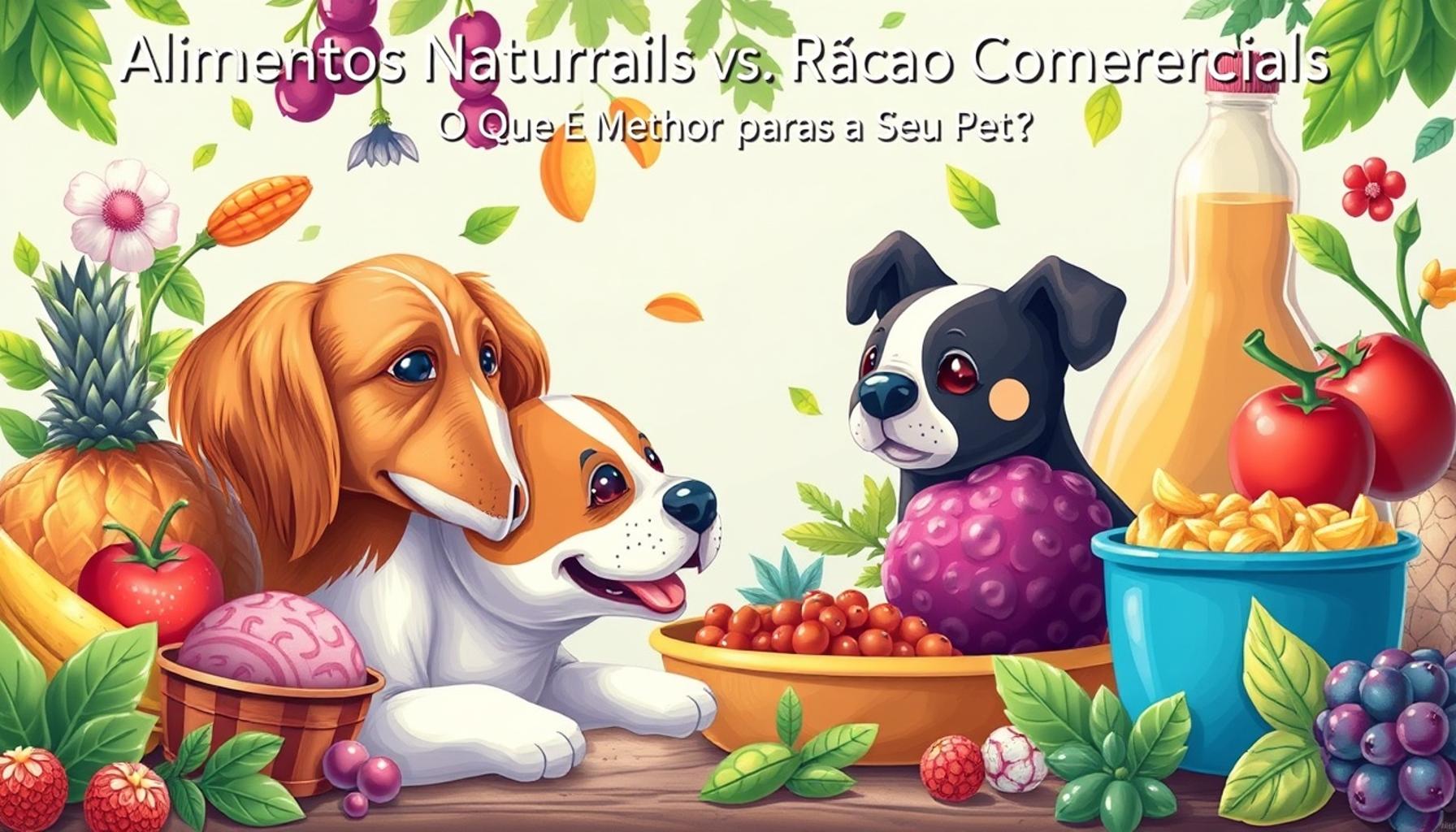
The Benefits and Drawbacks of Pet Dietary Choices
Choosing the right diet for our pets can often feel overwhelming. As owners, it’s imperative to weigh the advantages and disadvantages of natural foods against commercial feeds, as each option can significantly influence our pets’ health and well-being.
Exploring Natural Foods
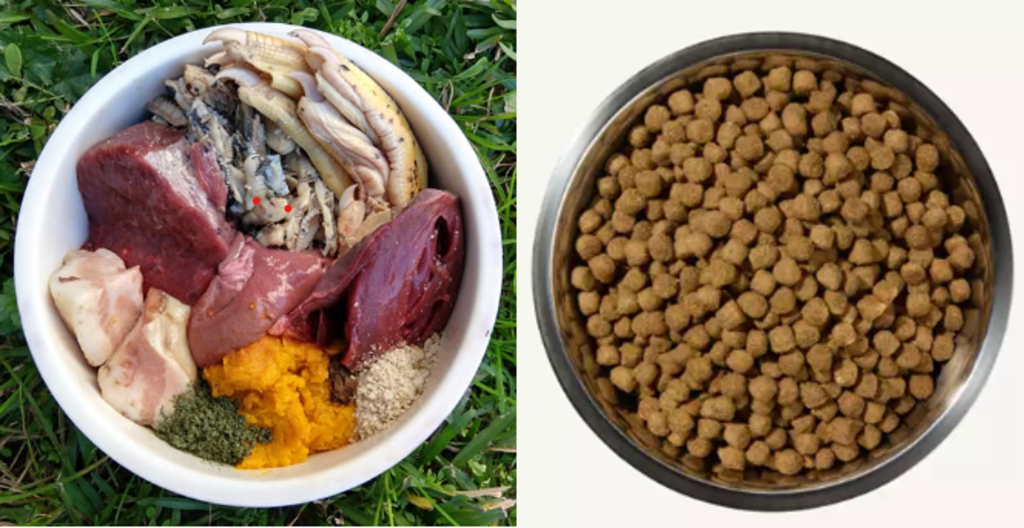
Natural pet foods are becoming increasingly popular among health-conscious pet owners. This category often encompasses fresh, whole ingredients that are minimally processed. These foods boast several compelling features:
- Fresh and minimally processed ingredients: Natural foods typically involve whole meats, fruits, and vegetables, which can provide essential nutrients without the risks associated with overly processed diets. For instance, a diet including real chicken, sweet potatoes, and carrots can be more appealing and beneficial to pets compared to those based on meat by-products.
- No artificial preservatives or additives: Many natural dog and cat foods forgo synthetic chemicals, which might improve health outcomes for some pets. The absence of these substances can mean fewer gastrointestinal issues or skin irritations for sensitive pets.
- Potentially greater nutrient absorption: Natural diets often contain higher bioavailability of nutrients, which can lead to better overall health. This is particularly evident in pets with specific dietary restrictions or allergies, as natural diets can be tailored to their unique needs.
Advantages of Commercial Feeds
Despite the allure of natural foods, the bulk of pet owners consistently gravitate towards commercial feeds for several reasons:
- Adequate nutrition formulated by experts: Commercial pet foods are typically designed by veterinarians and animal nutritionists, ensuring that they meet the specific dietary requirements of various pets. This expertise can provide peace of mind to pet owners as their furry friends grow and develop.
- A variety of flavors and formulations: With an array of options available, pet owners can choose between different flavors and food types (dry kibble, wet food, or grain-free options) to entice even the pickiest of eaters.
- Easier storage and longer shelf life: The packaging of commercial foods often allows for long-term storage without worry of spoilage, making it easier to maintain a consistent diet.
Understanding the Impact of Your Choices
The decision between natural foods and commercial feeds extends beyond mere convenience; it influences not only your pet’s physical health but also their emotional well-being. Dogs and cats thrive on routine, and consistency in their diet can enhance their behavioral health.
As you consider the best option for your pet, think critically about their individual needs, preferences, and any health issues they may have. Additionally, be aware that transitioning diets must be handled delicately and gradually to prevent digestive upset.
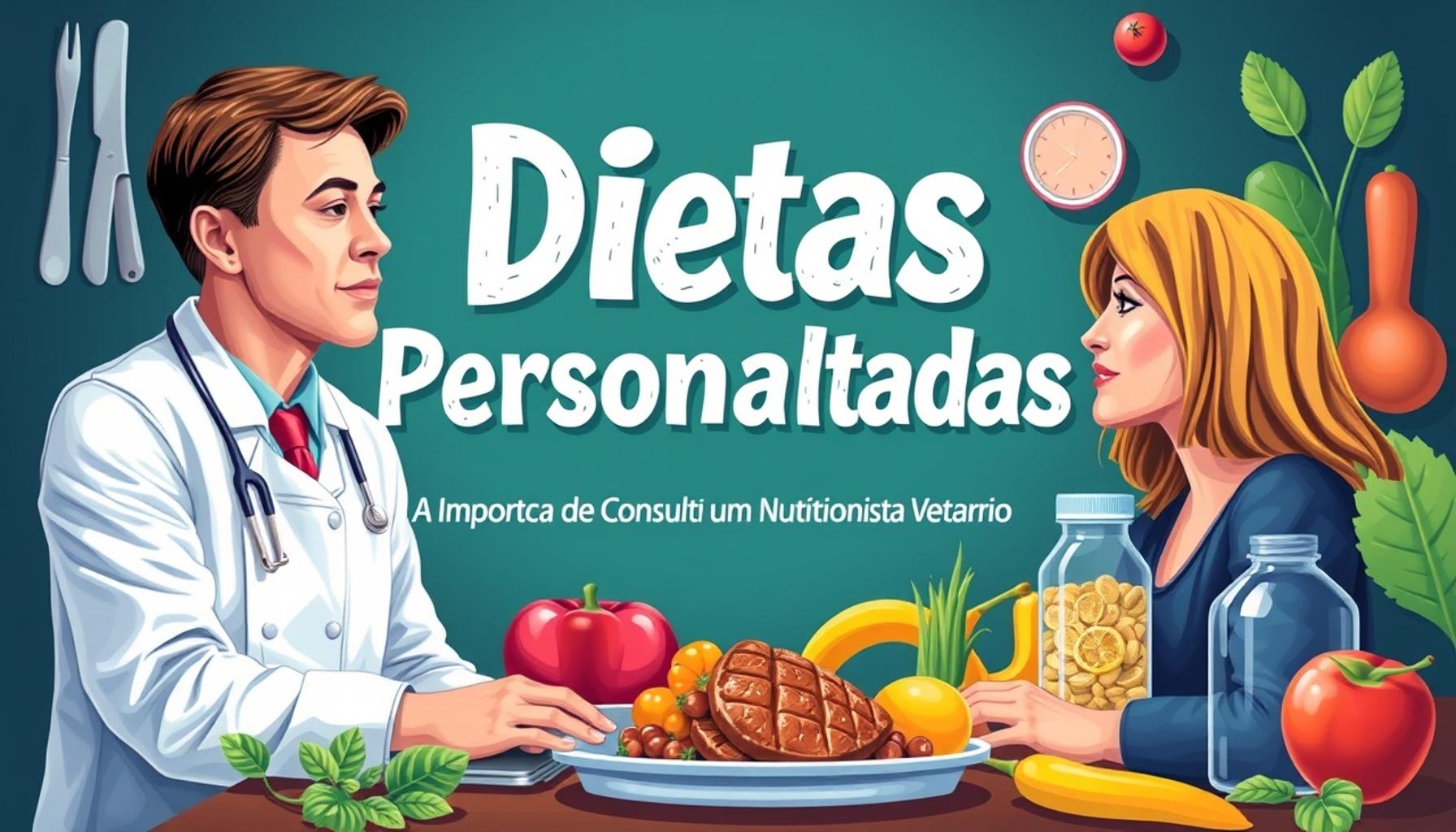
This journey into pet nutrition doesn’t have to be navigated alone. Consulting with a veterinarian can provide tailored advice specific to your pet’s requirements, empowering you to make informed dietary decisions that promote a long, healthy life for your furry friend.
Natural Foods vs. Commercial Feed: A Closer Look
When it comes to feeding time, the choices can seem endless. As pet owners strive to give their furry companions the best, understanding the distinctions between natural foods and commercial feed is essential. This examination not only reveals the ingredients that fill our pets’ bowls but also the implications for their long-term health and wellness.
Delving Deeper into Natural Foods
The rising trend towards natural foods reflects a movement emphasizing the value of quality ingredients. Natural pet foods offer an enticing range of benefits that can significantly influence your pet’s health:
- Transparency in sourcing: Many brands prioritize ingredient integrity by using locally sourced meat and vegetables. This commitment allows pet owners to know exactly what they are feeding their pets, reducing concerns about food quality.
- Rich in omega fatty acids and antioxidants: Natural foods often include whole food sources rich in beneficial nutrients. Ingredients like salmon, blueberries, and spinach are not just tasty; they also contribute to stronger immune systems and healthier skin and coats.
- Customized nutrition: For pets with allergies or specific health issues, natural diets can often be tailored to avoid common allergens like grains or certain proteins, promoting overall well-being.
However, it’s crucial to recognize that natural foods do come with their challenges.
Challenges of Natural Foods
While the benefits are plentiful, transitioning to natural foods often requires a mindful approach. These diets can be:
- Cumbersome to prepare: Homemade natural diets may involve significant time and effort, from sourcing ingredients to meal preparation. For the busy pet owner, this can add stress to an already packed schedule.
- Shorter shelf life: Without preservatives, natural foods generally must be consumed quickly to avoid spoilage, leading to potential waste if a pet does not take to the new food immediately.
- Higher cost: Typically, the price of natural foods is higher than that of commercial options, which can be a concern for budget-conscious pet owners.
The choice to feed your pet natural foods undoubtedly offers potential health benefits, yet it demands careful planning and consideration. Understandably, many pet owners find themselves weighing these factors against the offerings of commercial feed.
The Strengths of Commercial Feed
Commercial feeds, often viewed as the convenient counterpart in the pet food landscape, have earned their place for various reasons, with convenience being a primary factor. These foods are:
- Convenient and accessible: Available at various retail outlets and online, commercial feeds are easy to procure, making them ideal for busy families.
- Balanced nutrition: These feeds are generally formulated to meet AAFCO (Association of American Feed Control Officials) standards, providing essential nutrients without requiring pet owners to analyze their pet’s nutritional intake intricately.
- Systematically designed for all life stages: Many commercial feeds offer formulations tailored for specific life stages, whether for growth, maintenance, or senior pets, ensuring that dietary needs are met at different stages of a pet’s life.
As we delve into the world of pet nutrition, the choice between natural foods and commercial feeds becomes increasingly multifaceted. Understanding the intricacies of each option can help set the foundation for a thriving and healthy lifestyle for your beloved pet.
Natural Foods vs. Commercial Feed: Exploring the Details
When considering what to feed your pet, the debate between natural foods and commercial feed is one that many pet owners face. Each option presents unique benefits and drawbacks that deserve careful consideration. Understanding the key differences can help you make an informed decision that best suits your pet’s needs and lifestyle.Natural foods often consist of whole ingredients like meat, vegetables, and grains, which can provide a more nutrient-rich diet. These foods can be less processed, retaining more of the essential nutrients our pets require. Proponents of natural feeding argue that such diets can lead to vibrant health, improved digestion, and a shinier coat. Furthermore, natural foods can also eliminate additives and preservatives that are common in many commercial options.On the other side, commercial feed typically includes a variety of flavors and formulations designed to cater to different pet needs, like growth or weight management. One of the primary advantages of commercial feeds is the convenience they offer. They are easy to store, measure, and serve, providing a consistent source of nutrition without the need for extensive preparation. Many brands also follow strict regulations to ensure a balanced nutrient profile, offering a specialized diet that can meet your pet’s specific health requirements.Both options have established followers, and many pet owners find themselves torn between them. It’s essential to delve deeper into the various brands, formulations, and ingredients present in each type of food. Consulting with a veterinarian can provide valuable insights tailored to your pet’s unique dietary needs and health status. In the quest for optimal pet nutrition, exploring the advantages of both natural foods and commercial feed can better equip you to make the right choice for your furry companion. As this topic garners more attention, many are beginning to uncover additional options that meld the best of both worlds, potentially redefining pet diets in exciting ways.
| Advantages | Key Features |
|---|---|
| Natural Foods | Less processed, nutrient-dense ingredients, minimal additives |
| Commercial Feed | Convenient, consistent nutrition, tailored diets |
Each pet is unique, and so is their nutritional need. The choice between natural foods and commercial feed should be based on knowledgeable decisions rather than trends.
Balancing Act: Understanding the Considerations
When assessing what truly benefits our pets, it’s essential to delve into the underlying factors that influence our decisions regarding natural foods and commercial feed. This involves considering things like ingredient quality, ethical sourcing, and even environmental impacts, all of which shape the narrative around pet nutrition.
The Ingredient Debate
While commercial feeds are often promoted for their convenience, pet owners must scrutinize ingredient lists carefully. Not all commercial pet food is created equal. Some brands may include a list of by-products or fillers, which can negatively impact your pet’s health and digestion. Researchers from the University of Illinois found that animals fed high-quality diets lived longer and had fewer health issues. Essentially, the quality of ingredients can be a deciding factor in the long-term health outcomes for pets.
Ethical and Sustainable Sourcing
In recent years, there has been a growing ethical awareness among pet owners, leading many to seek out brands that practice sustainability and ethical sourcing. Natural food brands often highlight their commitment to humane farming practices, organic ingredients, and eco-friendly packaging. A survey by the American Pet Products Association indicated that about 30% of pet owners factor in sustainability when selecting food. This conscious choice connects the pet food industry to significant environmental considerations, such as reduced carbon footprints and responsible land use.
Health Concerns: Allergies and Sensitivities
Another aspect to keep in mind is the prevalence of food allergies and sensitivities in pets. A 2021 study by the Veterinary Allergy Group noted that around 10% of dogs suffer from food allergies, which can manifest in various ways, from digestive issues to skin problems. Natural foods allow for greater flexibility in creating diets that are tailored to these specific needs, making it easier for pet owners to avoid problematic ingredients. Comparatively, certain commercial feeds may not accommodate these unique dietary requirements effectively.
Owner Education and Pet Involvement
Importantly, the education of pet owners is integral to this discussion. Being informed about pet nutrition enables owners to make conscious choices about their pets’ diets. Many veterinarians advocate for open conversations about diet and nutrition, urging pet parents to consider their pets’ unique needs rather than relying solely on marketing claims. Understanding how to read ingredient labels and identify key nutrient requirements can go a long way in ensuring that pets receive the best care possible.
Price and Accessibility Considerations
While some pet owners may initially lean towards commercial feed due to its lower price point and greater convenience, weigh the long-term costs associated with potential health issues that could arise from poor nutrition. A study published in the Journal of Veterinary Internal Medicine highlighted that investing in high-quality pet food could ultimately lead to lower veterinary expenses over a pet’s lifetime. This snapshot of cost versus value is crucial when determining which feeding option aligns best with your financial and emotional commitment to your pet’s wellbeing.
Ultimately, the journey to determine what’s best for our pets is multifaceted, requiring a blend of research, caution, and a personal touch tailored to individual needs. Whether leaning towards natural foods or opting for commercial feeds, the focus should remain on nurturing the health and happiness of our beloved companions.
Final Thoughts: Making the Right Choice for Your Pet
In concluding our exploration of natural foods vs. commercial feed, it’s crucial to recognize that there is no one-size-fits-all answer for every pet. Each option presents unique benefits and challenges, shaping the landscape of pet nutrition in ways that warrant thoughtful consideration. As pet owners navigate this complex terrain, they must weigh factors such as ingredient quality, health concerns, and ethical sourcing against practicality and cost.
A discerning approach involves more than just opting for the latest fad; it requires a commitment to understanding your pet’s specific dietary needs, including potential allergies or sensitivities. Engaging with veterinarians and pet nutritionists can aid in crafting a tailored diet that not only nourishes but delights. Research supports the idea that well-fed pets are often healthier and more resilient, ultimately reducing long-term veterinary costs.
Moreover, the rising trend towards sustainability should not be overlooked. By choosing natural foods, pet owners are increasingly aligning their values with their purchasing decisions, fostering a more responsible pet food industry. With commercial feeds offering convenience, it’s essential to scrutinize brands and focus on those prioritizing ingredient integrity.
In essence, the decision between natural foods and commercial feeds should align with your pet’s health needs, your ethical values, and your financial situation. As our understanding of pet nutrition evolves, so can our choices, leading to a more informed, health-conscious approach to feeding our beloved companions. Ultimately, what matters most is nurturing the bond with our pets through informed and compassionate choices that support their wellness and happiness.