Nutrition and Health Care: The Role of Diet in Pet Longevity

Understanding Pet Nutrition for Longevity
Have you ever wondered how diet impacts your pet’s lifespan? Nutrition plays a crucial role in the overall health and longevity of pets, shaping their lives in ways that might not be immediately apparent. A well-balanced diet can lead to enhanced vitality, fewer health issues, and a longer, happier life.
One of the fundamental aspects of pet nutrition involves understanding the composition of their food. Consider these valuable dietary components that contribute significantly to your pet’s health:
- High-quality proteins: Proteins are crucial for muscle development and maintenance. They are made up of amino acids, which are vital for the repair and growth of tissues. For example, chicken, fish, and beef are excellent protein sources for dogs and cats, providing the essential nutrients required for energy and recovery.
- Healthy fats: Fats are not just a source of energy; they are essential for maintaining healthy skin and a shiny coat. Omega-3 and Omega-6 fatty acids, found in fish oil and flaxseed, can help reduce inflammation and allergies while promoting heart health. Pets can also benefit from healthy fats by having improved brain function and a more robust immune system.
- Vitamins and minerals: These micronutrients support various bodily functions. For instance, Vitamin E is a powerful antioxidant that aids in skin health, while B vitamins play a critical role in energy metabolism. A diet lacking in essential vitamins and minerals can lead to a plethora of health issues, including weakened immune response and poor bone health.
As many pet owners in the United States are realizing, the choices made in pet nutrition can lead to surprising outcomes. Research indicates that the right nutrition can reduce the risk of diseases such as obesity, diabetes, and heart disease. By selecting high-quality ingredients and avoiding fillers and artificial additives, pet owners can significantly enhance their pets’ overall well-being.
Understanding the nuances of your pet’s dietary needs is essential for ensuring a long and healthy life. For instance, certain breeds may have specific nutritional requirements; a Great Dane might need different nutrition compared to a Chihuahua. Moreover, age plays an important role in dietary needs—puppies require more calories and are typically fed a diet higher in fat and protein, while seniors may benefit from lower calorie options to help maintain a healthy weight.
Effective Dietary Strategies for a Longer Life
In this exploration of pet nutrition, we will delve into effective dietary strategies that promote longevity. From assessing pet food labels to recognizing the benefits of homemade diets, this journey promises to be enlightening for every pet owner committed to their furry friend’s well-being. It is worth noting that a well-informed diet necessitates checking for quality certifications and understanding the ingredients listed on pet food packaging. This vigilance helps ensure that your pet receives the best nutrients available.
Additionally, many pet owners are opting for homemade diets tailored to their specific pet’s needs, allowing them to have complete control over the ingredients. A balanced homemade diet, consisting of lean meats, vegetables, grains, and supplements, can provide excellent nutritional benefits. Engaging with a veterinary nutritionist might also be advantageous to formulate an adequate diet plan. Overall, the path to ensuring your pet’s longevity lies in focused dietary choices, leading to a vibrant, healthy, and extended life for your animal companion.
Effective Dietary Strategies for Enhancing Pet Longevity
As pet owners, understanding the direct link between diet and longevity can be a game changer for your furry companions. While it is commonly understood that protein, fats, and vitamins are important, employing effective dietary strategies can significantly influence your pet’s quality of life and lifespan. The key lies in being proactive rather than reactive regarding their nutritional intake.
One of the first steps in forging a path toward longevity is to assess pet food labels diligently. It is essential to look beyond catchy brands and flashy packaging. Here’s what to focus on when reading labels:
- Ingredient Quality: Ensure that real meat or meat meal is listed as the primary ingredient. Whole meats are preferable since they provide high biological value protein crucial for your pet’s muscle and organ development.
- Grain vs. Grain-Free: While grain-free diets have gained popularity, they are not necessarily better for every pet. In fact, some pets thrive on whole grains which can provide essential fiber and nutrients. Understanding your pet’s unique needs will guide this decision.
- Product Analysis: Look for AAFCO (Association of American Feed Control Officials) statements on pet food packaging. These certifications ensure that the food meets essential nutrient profiles established for pets.
Moreover, incorporating variety in your pet’s diet is a powerful way to promote health. Just as humans benefit from diverse diets, pets can thrive when they receive an array of nutrients. Introducing different food types—such as lean proteins, high-quality carbs like sweet potatoes or brown rice, and various vegetables—can make meals more exciting and nutritionally beneficial. However, it is crucial to introduce new foods gradually to avoid gastrointestinal upset.
Another striking consideration is the type of diet you choose for your pet. Alongside commercial pet foods, many pet owners are now leaning toward homemade diets, which allow them to maintain complete control over ingredients. A balanced homemade diet can support your pet’s unique physiological make-up. Ingredients such as chicken, turkey, vegetables, and grains can often lead to significant improvements in overall health. Consulting with a veterinary nutritionist is advisable to ensure that homemade meals provide all necessary nutrients.
Additionally, understanding the dietary needs based on age and lifestyle cannot be overstated. Puppies, for instance, require a higher caloric intake to support their rapid growth, while senior pets may need fewer calories to sustain a healthy weight. Adjustments in nutrient formulations, such as higher fiber and lower fat content for older dogs, can directly affect health outcomes.
Supplements for Enhanced Nutrition
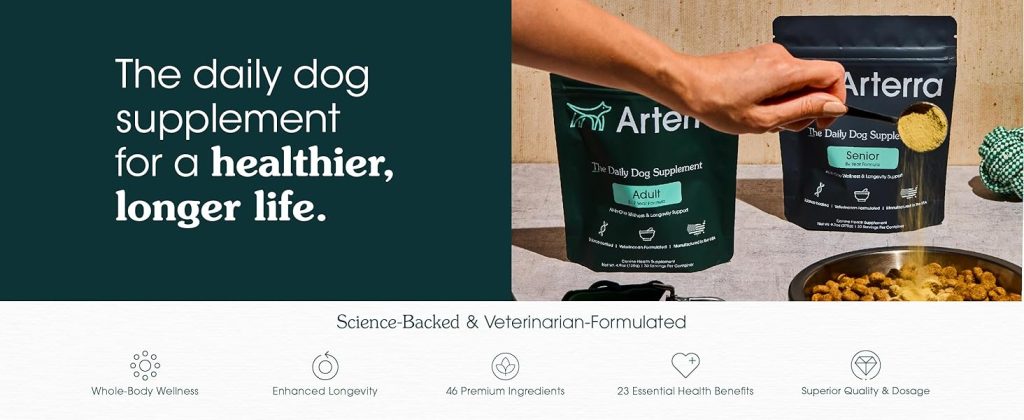
Incorporating supplements can further bridge any potential gaps in your pet’s diet. Common supplements include omega fatty acids for skin and coat health, glucosamine for joint support, and probiotics for digestive health. However, it is essential to consult with a vet before adding any supplements, as the requirements can vary widely among individual pets.
In summary, a well-informed approach to pet nutrition can lead to significant improvements in health and longevity. By focusing on quality ingredients, varying dietary options, and considering age-related needs, pet owners can actively contribute to their furry friends’ extended lifespans.
Nutrition and Health Care: The Role of Diet in Pet Longevity
When we consider how to extend our pets’ lives, nutrition plays a fundamental role that cannot be overlooked. Just as in humans, the right dietary choices can significantly impact various aspects of a pet’s health, enhancing their quality of life and longevity. A balanced diet helps to prevent obesity, which is a common concern in pets and can lead to serious health issues, including diabetes, heart disease, and joint problems. With increasing awareness, pet owners are now more inclined to invest in premium pet foods that offer holistic benefits rather than just basic nourishment.
Moreover, the integration of specific nutrients into a pet’s diet can target individual health concerns. For instance, omega fatty acids support skin and coat health, while antioxidants can aid in reducing inflammation and boosting the immune system. Understanding the specific needs of your pet can lead to tailored dietary plans that improve both their health and overall well-being.
Incorporating fresh fruits and vegetables adds bursts of vitamins and minerals essential for building resilience against diseases. Additionally, these foods can serve as tasty treats while providing dietary fiber for digestive health. Regular consultations with a veterinarian about optimal nutrition can help identify potential deficiencies and opportunities to enhance your pet’s diet.
| Advantage | Details |
|---|---|
| Prevention of Obesity | A balanced diet aids in managing a healthy weight, reducing risks of chronic diseases. |
| Enhanced Immune Function | Incorporating antioxidants and vitamins boosts the immune system, improving overall health. |
A focus on nutrition allows pet owners not only to ensure their furry friends thrive but also to establish a proactive approach to their health care. By prioritizing their pets’ dietary needs, you can make strides toward ensuring a longer, healthier life filled with vitality and happiness.
Understanding Specific Dietary Needs to Promote Longevity
As the journey toward enhancing your pet’s longevity continues, it’s essential to dive deeper into specific dietary needs based on breed, size, and health conditions. Each aspect plays a crucial role in shaping a diet that supports not only a pet’s general well-being but also boosts lifespan significantly.
For instance, large breed dogs such as Great Danes or St. Bernards have unique requirements as they mature. Large breed dog foods are specially formulated with lower calorie content, controlled calcium and phosphorus levels, and special fat sources to help mitigate common issues such as hip dysplasia. These preventative measures can lead to a decrease in osteoarthritis and other joint-related ailments, ultimately promoting a longer, healthier life.
Conversely, small breed dogs may require high-energy foods due to their fast metabolisms. The caloric density of their diet must be sufficient to support their smaller body sizes without causing excessive weight gain. Select small breed formulations that include high-quality proteins and fats to sustain energy levels while fostering muscle maintenance.
In addition to breed considerations, special dietary needs based on health conditions also demand attention. For pets diagnosed with conditions such as diabetes or renal disease, tailored nutrition becomes critical. An appropriate diabetes diet may focus on high fiber content to regulate blood sugar levels, while a renal diet typically consists of reduced protein and phosphorus to ease the burden on the kidneys. Collaborating with a veterinary professional who specializes in nutrition ensures that pet owners can navigate these complexities effectively, providing optimal support tailored to their pets’ health circumstances.
The Importance of Hydration
While the focus often leans towards solid nutrition, hydration cannot be overlooked when discussing pet longevity. Water plays a vital role in digestion, nutrient absorption, and overall well-being. Ensure that fresh, clean water is accessible at all times. Additionally, incorporating moisture-rich foods can be beneficial; options such as wet canned food or homemade meals with added broth not only boost hydration but also enhance the flavor, making mealtime more appealing for pets, particularly those who may be finicky eaters.
The Role of Preventive Nutrition in Aging
As pets age, preventive nutrition strategies become increasingly important. Senior pets often face challenges that can impact their quality of life. Certain nutraceuticals—natural substances that provide health benefits—such as antioxidants, vitamins E and C, and omega-3 fatty acids, can help combat oxidative stress, inflammation, and joint deterioration associated with aging. These components not only bolster physical health but also support cognitive function, ensuring that pets remain alert and engaged throughout their golden years.
Moreover, many veterinarians recommend specializing in senior pet diets that address specific age-related changes. These diets are often lower in calories and higher in fiber, helping to control weight and promote digestive health while meeting the decreased energy needs of older pets.
By understanding and catering to specific dietary needs, pet owners can implement effective strategies that contribute to prolonged health and vitality. A well-rounded and well-informed approach to nutrition equips pets with the tools necessary to live longer, healthier lives, reflecting the essential connection between diet and longevity in our beloved companions.
Conclusion: The Critical Link Between Nutrition and Pet Longevity
In conclusion, the role of nutrition in enhancing the longevity of our pets cannot be overstated. A careful selection of diet, informed by knowledge of breed, size, and specific health needs, is essential for fostering not just lifespan but also quality of life. Tailored nutrition strategies, whether they involve specialized formulations for different breeds or dietary adjustments for age-related health conditions, play a pivotal role in safeguarding our pets’ well-being.
Moreover, incorporating hydration into their daily routine alongside nutrient-dense meals is equally significant. Keeping our pets hydrated contributes to vital bodily functions, promoting healthy digestion and nutrient absorption. This, combined with preventive measures such as nutraceuticals to combat the effects of aging, positions pet owners to take proactive steps towards their pets’ health throughout each life stage.
By embracing a holistic approach to pet nutrition, pet owners can empower their beloved companions with the potential for longer, healthier lives. Engaging with veterinarians specialized in pet diet and nutrition allows owners to remain informed and proactive, ultimately creating a supportive environment suitable for thriving pets. It’s clear that investing time and effort into understanding how diet impacts pet longevity will yield rewarding returns: the joyful companionship of healthy, vibrant pets living well into their golden years. As we continue to optimize animal care, the connection between nutrition and longevity remains a key pillar for enhancing the lives of the pets we adore.