Nutritional Supplements: When and How to Use Them in Your Pet’s Diet

The Role of Nutritional Supplements in Pet Health
As pet owners, ensuring the health and well-being of our furry companions is a top priority. Recently, many have turned to nutritional supplements as an essential addition to their pet’s diet. With so many options available, it’s important to evaluate when and how these supplements should be included in their meals.
Nutritional supplements can serve a variety of purposes. For instance, they can boost immune systems, which is particularly beneficial for aging pets or those exposed to other animals. Ingredients like glucosamine and omega-3 fatty acids have been shown to enhance immunity and overall vitality. They also play a role in supporting joint health, particularly for active breeds such as Labradors or German Shepherds that are predisposed to joint issues. Supplements containing chondroitin can help maintain cartilage health, allowing for more fluid movement.
Furthermore, many pet owners seek to enhance coat condition. Supplements rich in biotin, zinc, and fatty acids can lead to a shiny, healthy coat while also reducing shedding and skin irritations. Take, for example, the Siberian Husky, a breed known for its striking fur that benefits greatly from supplements designed to nourish their skin and coat.
It’s also important to note that pets may require vitamins and minerals that are not always present in their regular diets. This is particularly true for pets on homemade diets or those that have specific dietary restrictions. A veterinarian can recommend high-quality multivitamins or specific minerals that meet these requirements, ensuring that your pet receives all the necessary nutrients for optimal health.
When it comes to choosing the right supplements for your pet, several factors should be considered. Age, breed, activity level, and underlying health conditions all play crucial roles in determining what supplements may be appropriate. For instance, senior dogs often require different nutrients than puppies or active working dogs. Therefore, consulting with a veterinarian can provide valuable insights tailored to your pet’s specific needs.
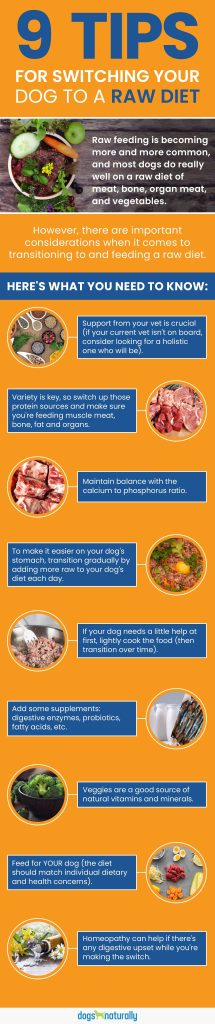
It’s crucial to understand that supplements are not a replacement for a balanced diet. Rather, they are intended to complement it. By adhering to a well-rounded diet while integrating the right supplements, pet owners can help their pets receive vital nutrients and maintain a healthy lifestyle.
In the following sections, we will dive deeper into specific types of nutritional supplements, discussing their various benefits and the optimal circumstances for their use. Stay tuned as we explore the fascinating and ever-evolving world of pet nutrition!
Identifying the Need for Nutritional Supplements
Determining whether your pet could benefit from nutritional supplements starts with a keen understanding of their unique needs. As pet owners, being attuned to your furry friend’s behavior, health conditions, and dietary intake is paramount.
One of the first steps is assessing your pet’s dietary history. If your pet’s meals primarily consist of commercially available kibble, it’s essential to recognize that these diets are typically designed to provide complete nutrition. However, certain breeds, life stages, and health conditions may create gaps in nutrient delivery. For example, large breeds may require additional calcium for bone development, while older pets may need extra vitamins to support vital organs.
Common Scenarios That Warrant Supplements
Below are some common situations where nutritional supplements can bolster your pet’s health:
- Aging Pets: As pets enter their senior years, they may face increased health challenges, including arthritis, dental issues, and diminished organ function. Supplements like glucosamine for joint support or fish oil for cognitive health can make a significant impact.
- Dietary Restrictions: Pets with food allergies or specific dietary needs, such as those on homemade diets, may lack critical nutrients. Utilizing a high-quality multivitamin can fill these gaps efficiently.
- Intense Activity Levels: Highly active pets, like working dogs or athletes, may require additional fuel to support their energy levels and muscle recovery. Proteins and supplements like amino acids can aid in muscle repair and overall stamina.
- Post-Surgery Recovery: Pets recovering from surgery often need extra support to regain their strength. Supplements that enhance immune function or provide antioxidant support can promote healing.
Recognizing these situations is essential, but it is equally important to consult with a veterinarian before adding any supplements to your pet’s routine. A veterinarian can provide tailored recommendations based on your pet’s specific needs and health history.
Tips for Selecting Nutritional Supplements
When venturing into the world of nutritional supplements, quality should always be a priority. Consider the following tips:
- Research Brands: Not all supplements are created equal. Look for reputable brands that conduct independent testing for safety and efficacy.
- Check Ingredient Lists: A transparent ingredient list ensures that you’re aware of what you’re supplying your pet. Avoid those with artificial fillers or unknown substances.
- Seek Veterinary Guidance: Your veterinarian can recommend specific products or formulations that align with your pet’s health profile.
Integrating supplements into your pet’s diet can be a great way to enhance their health, but it’s essential to make informed choices rooted in their specific needs. Being proactive and educated will pave the way for a healthier life for your furry friend.
| Category | Details |
|---|---|
| Usage Timing | Administer supplements during transitional phases like changes in diet or recovery from illness. |
| Health Benefits | Boosts immune system, enhances vitality, and supports digestion when used appropriately. |
To optimize your pet’s health regimen, monitor your pet’s needs and consult a veterinarian before introducing any nutritional supplements. This practice can provide critical insights regarding potential allergies or interactions with existing medications. Timing is crucial; adding supplements during periods of stress or recovery can significantly improve your pet’s well-being. For example, consider omega-3 fatty acids for skin health or glucosamine for joint support, especially in aging dogs. It’s essential to match the type of supplement to your pet’s specific dietary needs, so understanding the various options available, their benefits, and their proper application is crucial. Continue exploring how these nutritional supplements can enhance your pet’s diet for a healthier, more vibrant life!
Administering Nutritional Supplements Effectively
Once you’ve identified the need for nutritional supplements and chosen quality products, the next question is how to incorporate them into your pet’s diet effectively. Effective administration ensures that your pets receive maximum benefits from these supplements.
Understanding Dosage and Guidelines
Each supplement comes with specific dosage recommendations, often based on your pet’s size, age, and health status. It is crucial to follow these guidelines closely, as giving too much of a supplement can lead to adverse effects. For example, administering excess levels of fat-soluble vitamins, such as vitamin A or vitamin D, can cause toxicity. To avoid pitfalls:
- Start Small: Begin with a lower dosage and monitor your pet’s response. Gradually increase the amount if necessary, but always adhere to recommended levels.
- Use Measuring Tools: Utilize appropriate measuring devices to ensure accurate dosing. Many supplements come with scoops, but a kitchen scale or measuring spoons can help in cases where precision is crucial.
- Be Consistent: To achieve the best results, establish a routine. Consistency helps in making sure your pet gets the expected benefits, whether you add the supplement to meals or provide it as a treat.
Enhancing Palatability
Sometimes, pets can be finicky eaters, particularly when it comes to new supplements. Ensuring that these products are palatable is key to successful administration. Here are some strategies to make taking supplements more enjoyable:
- Mixing with Food: Incorporate the supplement directly into your pet’s meals. Be mindful of the texture; powdered supplements can often mix well with wet food.
- Using Treats: Many companies manufacture supplements in treat form, combining health benefits with flavor. These can be an effective and enjoyable way for pets to receive their daily doses.
- Flavoring Agents: If the supplement is unpalatable, consider adding low-sodium broth or a small amount of peanut butter to enhance its taste.
Monitoring Effects and Adjusting the Adjustments
After integrating supplements into your pet’s diet, monitoring their effects is essential. Look for signs of improvement such as increased energy levels, better mobility, or enhanced coat health. However, if you notice any adverse side effects—like vomiting, diarrhea, or behavioral changes—it is crucial to discontinue use and consult your veterinarian.
Keep in mind that it’s not uncommon for pets to require dosage adjustments over time. Factors such as changes in activity level, age, or the introduction of new health complications can affect your pet’s nutritional needs. Regular veterinary check-ups will help determine any necessary revisions to your pet’s supplement intake.
The Big Picture of Supplementation
Nutritional supplements are not a one-size-fits-all solution; they should complement a balanced diet rather than replace it. Whole foods are the best source of nutrients, so always ensure that your pet consumes a well-rounded diet rich in meats, vegetables, and high-quality grains. Consider supplements as *additional support* for specific health needs your pet may have.
As you navigate the world of nutritional supplements, keep in mind that the primary goal is to support and enhance your pet’s overall well-being. Informed choices, careful administration, and regular monitoring create a holistic approach to pet health.
Conclusion
In conclusion, nutritional supplements can play a pivotal role in enhancing your pet’s health when used appropriately and thoughtfully. By identifying specific needs and selecting high-quality products, pet owners can enrich their furry companions’ lives, providing essential nutrients that may be lacking in routine diets. It is crucial to understand that supplements should never replace a well-rounded diet, which remains the foundation of optimal pet nutrition.
As you’ve learned, the effectiveness of supplements can be maximized through careful dosing, consistent administration, and monitoring your pet’s reactions. Pay attention to how your pet responds, adjusting dosages as necessary in collaboration with your veterinarian to ensure their health requirements are met. This ongoing dialogue with your vet is vital not only for assessing the effectiveness of the chosen supplements but also for making informed choices in light of any evolving health circumstances.
Recognizing the distinct differences each pet has in terms of age, breed, and health conditions further highlights the necessity of a personalized approach to supplementation. The landscape of pet nutrition is evolving, and more research is continually uncovering the benefits and potential drawbacks of various supplements. Staying informed enables pet owners to make wiser choices that support their furry family members’ longevity and quality of life.
Ultimately, embracing the use of nutritional supplements thoughtfully can lead to improved vitality and happiness for your pets. As the journey toward comprehensive pet health unfolds, consider these supplements as valuable tools to supplement your commitment to their well-being.