Positive Reinforcement Techniques for Training Rescued Dogs

The Journey of Training a Rescued Dog
Training a rescued dog can be a profoundly transformative experience, not only for the pet but also for the owner. As you welcome an adopted dog into your home, you embark on a journey that is often marked by both challenges and triumphs. This relationship can grow through the implementation of positive reinforcement techniques, which significantly enhance the learning process and strengthen the bond between you and your furry companion. Not only do these methods promote desirable behaviors, but they also foster an environment of trust and emotional safety.
Reward-Based Training
One of the cornerstones of positive reinforcement is reward-based training. Instead of focusing on corrections or punishments for unwanted behaviors, this technique encourages you to reward your dog for actions you wish to see repeated. For instance, if your dog sits on command, rewarding this behavior with a treat or enthusiastic praise reinforces the action and makes it more likely to occur again. This approach shifts the focus from fear of consequences to a positive learning experience.
Types of Rewards
Effective rewards can come in various forms, and it’s important to identify which resonate best with your dog. Treats, especially those that are special or not used regularly, can be a powerful motivator. Additionally, verbal praise and affection—such as cuddling or playtime—can be equally effective. Engaging in a favorite game with a toy once your dog successfully follows a command can reinforce the bond and make learning enjoyable. For example, if your dog comes when called, a game of fetch can serve as both a reward and a way to enhance their recall skills.
Consistency is Key
Consistency in training is crucial for your dog to fully understand what is expected of them. Using the same cues for commands and rewarding behaviors consistently helps clear up any confusion. For instance, if you teach your dog to “stay,” using the same hand signal or vocal command each time will help them grasp the concept more quickly. Likewise, establishing a routine can be helpful. Regular training sessions, even if short, can help reinforce skills and train your dog to look forward to these learning moments.
Positive reinforcement is especially vital for rescued dogs, as many may come with a history of trauma or unpredictability in their past lives. This empathetic approach not only teaches them desired behaviors but also contributes to their emotional recovery. Creating a nurturing environment encourages emotional healing, allowing dogs to feel secure and confident as they navigate their new surroundings.
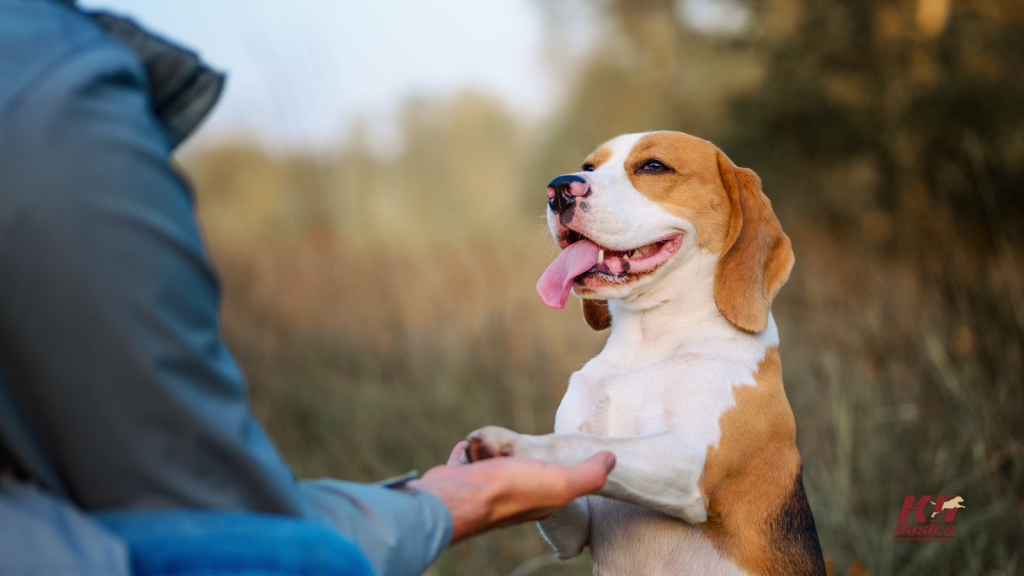
As you embark on this rewarding training journey, keep in mind that every rescued dog is unique, with their own specific needs and challenges. Some may need more time to trust new commands, while others may pick up training quickly. It’s essential to adapt your techniques to fit their individual personalities. In the sections that follow, we will explore specific techniques and practical tips to help ensure that both you and your rescued companion flourish in this shared adventure.
Understanding Your Dog’s Unique Needs
Before diving into positive reinforcement techniques, it’s essential to recognize that every rescued dog comes with their own history and emotional baggage. Understanding your dog’s unique needs is a critical step in the training process. Many rescued dogs may not have had consistent training experiences in their previous homes or may have faced neglect or abuse, which can lead to anxiety and fear in new environments. This means that as a responsible owner, it’s vital to approach your training with sensitivity and a tailored strategy.
Building Trust Through Patience
Establishing trust is the foundation of effective training. When you adopt a rescued dog, taking the time to build a trusting relationship can make a significant difference in their responsiveness to training. Start with small interactions that allow your dog to explore their new environment at their own pace. Use a calm voice and gentle movements to help your dog feel secure. Patience is key—never rush the process. By allowing your dog to adjust, you create a safe space where they can learn without fear.
Key Techniques to Build Trust While Training
Implementing various techniques can enhance trust and motivation during training sessions. Consider the following approaches:
- Slow Introductions: Gradually expose your dog to new commands, people, and settings. Rushing can lead to stress and reluctance to engage.
- Positive Associations: Pair new experiences with high-value rewards, such as their favorite treats or toys, which can help minimize fear or anxiety.
- Watch for Body Language: Pay attention to your dog’s body language to gauge their comfort level. Signs of stress may include tail-tucking, avoidance, or excessive panting.
- Short and Fun Sessions: Keep training sessions brief, ideally around 5 to 10 minutes. This prevents your dog from becoming overwhelmed and helps maintain their enthusiasm.
- Celebrate Small Wins: Acknowledge and reward even the smallest progress, reinforcing the idea that learning is a positive experience.
In engaging with your dog in this way, you not only provide guidance but also cultivate a sense of confidence that will aid their learning process. This understanding of your dog’s behavior can lead to more successful training outcomes and improve your relationship as they learn to thrive in their new home.
As you move forward in your training journey, remember that your rescued dog is learning to trust you as much as you are learning to understand them. By employing positive reinforcement techniques tailored to their individual needs, you will create a nurturing atmosphere conducive to growth and happiness. In subsequent sections, we will delve deeper into specific rewards and how to implement them effectively to encourage your dog’s new skills.
| Category | Advantages |
|---|---|
| Strengthening Trust | Positive reinforcement fosters a bond of trust between you and your rescued dog, making them feel safe and secure in their new environment. |
| Enhanced Learning | Dogs learn faster and more effectively when they are rewarded for good behavior, which leads to a more robust understanding of commands and behaviors. |
| Reduction of Fear | Positive reinforcement minimizes fear-based reactions, which are common in rescued dogs, enabling a calmer atmosphere for training. |
| Building Confidence | By rewarding small victories, you help your dog gain confidence and improve their overall well-being, making them more willing to explore new commands or environments. |
In addition to these advantages, it’s worth noting that fostering a positive training atmosphere not only benefits the dog but also enhances the owner’s experience. When dogs respond well to training, owners feel a sense of accomplishment and connection with their pets. By continuously employing positive reinforcement techniques, you ensure a consistent and enjoyable learning journey for both you and your rescued companion. This method promotes a healthy mindset, essential for both physical and emotional rehabilitation after a rescue. As you delve deeper into these techniques, you’ll discover various innovative methods, such as clicker training, that perfectly complement positive reinforcement. These strategies are not just beneficial; they’re indispensable for cultivating a thriving relationship with your rescued dog.
Effective Positive Reinforcement Techniques
Once you have established a trusting relationship with your rescued dog, it’s time to implement positive reinforcement techniques that will facilitate their training and enhance your bond. Positive reinforcement is based on the principle that behaviors followed by rewards tend to be repeated. When done correctly, these techniques can yield long-lasting results, turning training into a fun and engaging experience for both of you.
Types of Rewards
Choosing the right rewards is crucial in reinforcing positive behaviors. Not all dogs respond to the same incentives, so it’s important to experiment to find what motivates your furry friend. Here are some categories of rewards to consider:
- Treats: High-value treats, such as small pieces of chicken or cheese, can be incredibly motivating for most dogs. The key is to select treats that are not only tasty but also healthy and suitable for your dog’s dietary needs.
- <strong Praise: Verbal praise and affectionate petting can be powerful motivators. A simple “Good boy!” or “Well done!” alongside a head pat can make your dog feel appreciated.
- Playtime: For dogs that are more play-driven, incorporating play as a reward can be extremely effective. This might involve tossing a ball or tugging on a favorite toy after they perform the desired behavior.
- Access to Favorite Activities: Sometimes, the best reward is simply allowing your dog access to something they love. This could mean a walk in the park, a romp with other dogs, or simply joining you on the couch for cuddle time.
Timing is Everything
Using positive reinforcement effectively hinges on timing. You need to reward your dog immediately after they exhibit the desired behavior. This helps your dog make the connection between their action and the reward. For instance, if you are teaching them to sit, rewarding them the moment their bottom touches the ground will help solidify that skill. Remember, consistency is crucial: always reward the same behavior in the same way until it becomes ingrained.
Clicker Training as an Effective Tool
Clicker training is a popular method that complements positive reinforcement techniques and can be particularly effective for rescued dogs. A clicker is a small device that makes a distinct sound, which can be used to mark the precise moment your dog performs the desired action. After the click, follow up with a reward. This instant feedback helps dogs learn fast, providing clarity about what behavior earned the treat. Training sessions can become more engaging as they help your dog build a mental association between the sound and the reward.
Incorporating Training into Daily Routines
Integrating training into your dog’s daily life can also enhance the learning experience. You don’t need to reserve training strictly for formal sessions; instead, infuse training moments throughout your day. For example, you can ask your dog to sit before meals, lie down before bed, or come when called during walks. These small reinforcements not only help your dog practice commands but also reinforce their desired behaviors in real-life situations.
By harnessing effective positive reinforcement techniques tailored to your rescued dog’s unique characteristics and preferences, you’ll create an encouraging environment where learning and bonding flourish. These methods lay the groundwork for shaping good habits and overcoming behavioral challenges, paving the way for a harmonious life together.
Conclusion
In summary, utilizing positive reinforcement techniques for training rescued dogs is not only an effective strategy but also a compassionate approach that strengthens the bond between you and your furry companion. By identifying and implementing the right rewards—be it treats, praise, playtime, or access to favorite activities—you create an environment that fosters learning while building trust. Remember, the timing of your rewards is critical; immediate recognition of good behavior enhances understanding and retention.
Moreover, incorporating tools like clicker training can add an extra layer of clarity and fun to your training sessions. This method allows for precise communication, ensuring your dog quickly associates their actions with the rewards you offer.
Finally, weaving training into everyday routines not only reinforces commands but also enhances your dog’s adaptability in various situations. It’s a continuous journey of learning and growth for both you and your dog. As you embrace these techniques, you’re not merely training your rescued dog; you’re nurturing a relationship built on love, respect, and understanding.
With patience and commitment, you can transform your rescued dog into a well-mannered companion, ready to thrive in their new home. For further exploration into enhancing your training techniques, consider consulting with local trainers or animal behaviorists who specialize in positive reinforcement, as their insights can provide tailored advice for your unique situation. Together, you can embark on an exciting journey toward a happier and healthier life together.