Scratching Behavior in Cats: Reasons and Alternatives
Insight into Feline Scratching Habits
The battle against feline-induced damage to furniture is a common issue faced by cat owners. While many view this behavior as frustrating, it’s crucial to understand that scratching is an inherent behavior that serves several essential functions in a cat’s life. By digging deeper into the motivations behind this instinctual act, we can foster a more harmonious living situation for both cats and their human companions.
Firstly, one of the primary reasons cats engage in scratching is for territorial marking. Cats have specialized scent glands located in their paws that release pheromones during scratching. When your cat scratches a surface, they are not only sharpening their claws but also leaving their scent to establish their territory. This behavior is rooted in their wild ancestry, where marking territory is crucial for survival and communication among felines.
In addition to marking territory, scratching plays a vital role in claw maintenance. The outer sheath of a cat’s claws can become brittle over time, and scratching effectively removes this worn layer, revealing a healthy and sharp claw underneath. This natural grooming process contributes to their overall well-being and preparedness for climbing, hunting, or defending themselves if necessary.
Moreover, scratching serves as an essential form of physical exercise. This activity allows cats to stretch their bodies, flex their muscles, and engage in a behavior that combats boredom. Regular scratching can reduce stress levels and prevent destructive behaviors that arise from pent-up energy or anxiety.
If your cat’s scratching habit is leading to unsightly furniture or draperies, there are several effective alternatives and solutions at your disposal. Expert advice suggests implementing a variety of strategies to redirect your feline’s attention:
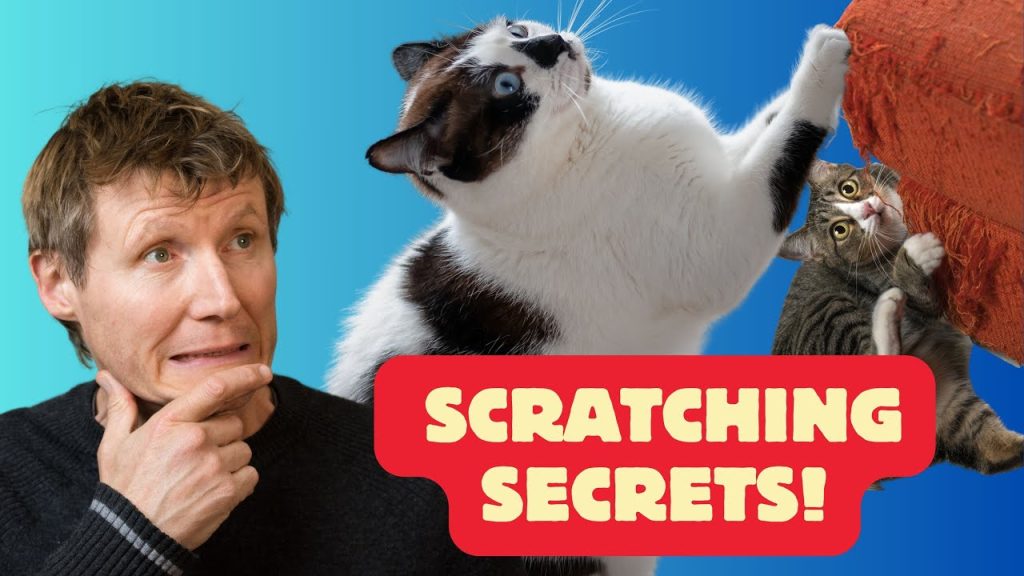
- Scratching posts: Investing in a sturdy scratching post can give your cat a designated spot to scratch without damaging your belongings. Look for posts that are tall enough for your cat to stretch fully, and try different materials to see what your cat prefers, such as sisal or carpet.
- Cat trees: These multi-functional structures provide scratching surfaces along with climbing opportunities. A well-designed cat tree can instantly attract your cat’s interest, allowing them to engage in their natural instincts and play.
- Soft claw covers: These are small plastic caps that can be glued onto your cat’s claws, providing a protective barrier that minimizes damage to furniture while still allowing your cat to enjoy scratching.
Understanding your cat’s scratching behavior is key to maintaining a peaceful coexistence in your home. By aligning your approach to your cat’s natural instincts, you can enhance their happiness and well-being while protecting your possessions. Delve into the world of feline behavior, and you might discover more about your pet’s needs and preferences, paving the way for a balanced environment where both you and your feline friend feel safe and satisfied.
Understanding the Importance of Scratching
Despite the potential for furniture scarring and fabric fraying, cat scratching is not merely an annoying quirk—it’s a behavior deeply rooted in their instinctual needs. Recognizing the reasons behind this scratching behavior can help pet owners implement effective alternatives and improve the harmony within their homes.
One significant aspect of scratching is territoriality. Cats are inherently territorial animals, and scratching serves as a way to assert their presence. When a cat scratches an object, it not only leaves behind its scent from those paw glands but also visually marks the area, signaling to other creatures that this space is claimed. This is particularly important for indoor cats, who might feel the need to establish boundaries within their limited environment.
Additionally, scratching is vital for claw health. The act of scratching helps cats shed the outer sheath of their claws, which can become damaged and dull over time. This natural maintenance keeps their claws in optimal condition for important activities such as hunting, climbing, and defending themselves, even if they primarily enjoy these instincts in a domestic setting.
Another often-overlooked reason for this behavior is stress relief. Cats can experience stress, just like humans, from changes in their environment, a lack of stimulation, or even changes in their routines. Scratching provides an outlet for pent-up energy and frustration, helping them relieve tension. Engaging in this physical activity promotes the release of endorphins, creating a sense of well-being for the cat. Understanding this aspect can pave the way for more proactive approaches to their care.
Recognizing the necessity of scratching behavior is essential, but what can you do when it leads to unwanted damage? Exploration of alternatives is key:
- Interactive Scratchers: From horizontal to vertical designs, the market offers a plethora of scratching options that captivate cats’ interest. Experimenting with different styles can significantly influence their preference and increase usage.
- Providing Variety: Cats are creatures of habit yet are often curious. Utilize multiple scratching areas throughout the home. This can entice your cat to explore and engage more with these designated spaces rather than the furniture.
- Positive Reinforcement: Whenever your cat utilizes a scratching post instead of your couch, reward them with a treat or praise. This reinforces the behavior you want to encourage.
Exploring and understanding your cat’s scratching behavior opens different avenues for creating a more peaceable coexistence in your home. Through targeted strategies that align with their natural instincts, both you and your feline companions can enjoy a more harmonious environment. Embracing these solutions empowers you to redirect their energy in a productive way, fostering both their happiness and the preservation of your cherished belongings. As you delve deeper into these behaviors, you may uncover even more enriching ways to cater to your cat’s needs.
Understanding Scratching Behavior in Cats
Scratching is a natural and instinctual behavior for cats. It’s a way for them to mark their territory, stretch their muscles, and maintain their claws. However, for pet owners, this behavior can often lead to frustration when furniture or personal belongings are damaged. Here, we delve into the various reasons behind this behavior and explore the alternatives that can keep both cats and their owners happy.
Reasons for Scratching
A cat’s scratching behavior can be attributed to several factors:1. Territorial Marking: Cats have scent glands in their paws. By scratching, they leave their scent on the surfaces they choose, marking their territory and signaling to other cats that the area is occupied.2. Claw Maintenance: Scratching helps cats shed the outer layer of their claws, keeping them sharp and healthy. This maintenance is vital for their hunting instincts, even if they are domestic.3. Physical Activity: Scratching provides cats with an opportunity to exercise. It engages their muscles, allowing for a full stretch, which is essential for their overall well-being.
Alternatives to Deter Destructive Scratching
To minimize the negative impact of this instinctual behavior, pet owners can consider several alternatives:1. Providing Scratching Posts: High-quality scratching posts made of sturdy materials can serve as an attractive alternative. It’s important to place them in areas where cats already scratch to encourage use.2. Cat Furniture: Investing in cat trees or multi-level furniture can give cats designated places to scratch and play without damaging household items.3. Regular Nail Trims: Keeping a cat’s nails trimmed can reduce the damage done during scratching. Regular grooming not only fosters a bond between cat and owner but also maintains a cat’s claw health.4. Positive Reinforcement: Training cats to use designated scratching areas by rewarding them with treats when they scratch appropriate items can significantly help redirect their behavior.These insights into the reasons behind scratching behavior, combined with effective alternatives, can enhance the relationship between cats and their owners, ensuring a harmonious living environment. Furthermore, being proactive about scratching can prevent many common issues related to pet ownership.
Exploring the Alternatives to Scratching
With a more profound understanding of the reasons behind a cat’s scratching behavior, pet owners can better appreciate the necessity of providing appropriate alternatives. Fostering healthy scratching habits is not just about preserving furniture; it is crucial for the overall well-being of your feline friend.
Another effective method is to choose the right material for scratching posts and surfaces. Cats tend to be picky about textures. Opting for natural and durable materials, such as sisal or corrugated cardboard, can entice your cat to scratch more readily. It can be beneficial to observe your cat’s natural preferences and provide them with options that match their tactile inclinations. For example, some cats prefer the soft feel of carpet, while others might favor the roughness of wood.
Positioning the scratching posts in strategic locations also plays a significant role. Cats often scratch after waking from sleep or when they feel a burst of energy. Placing scratchers near their favorite resting spots or interactive areas can encourage usage. Additionally, consider putting scratchers near where they’ve previously shown interest in scratching furniture. This proactive approach can redirect their need to scratch away from couches and towards designated items.
Pheromone diffusers can serve as an intriguing alternative for stress-induced scratching. Cats have an acute sense of smell, and the use of synthetic feline pheromones can create a calming environment. Some products mimic the natural pheromones that cats release, which may help alleviate anxiety or territorial disputes among multi-cat households. Creating a serene atmosphere could decrease undesirable scratching behavior while promoting emotional wellness.
The introduction of interactive toys can also significantly reduce stress levels in cats, subsequently decreasing their need to scratch. Engaging your cat with puzzle toys, feather wands, or laser pointers can provide the mental and physical stimulation they crave. Cats that are fully engaged and active in play may be less likely to resort to scratching furniture out of boredom or frustration.
Moreover, regular nail trimming can prevent scratches from becoming problematic. Keeping your cat’s claws short reduces the damage inflicted during scratching episodes, making it easier for both you and your cat to enjoy their natural tendencies without the fear of destruction. Routine trimming can become a bonding experience and should be part of regular grooming practices.
Lastly, considering cat-friendly furniture designed specifically for scratching can lead to positive outcomes. Many modern homes now feature furniture that incorporates materials enticing to cats, like faux fur or hemp. Additionally, scratching furniture can double as climbers and rest spots, offering both functionality and aesthetics. Investing in such pieces can contribute to a home environment where both owner and cat feel at ease.
By tapping into these various alternatives, cat owners can foster healthy scratching habits that cater to their feline’s instincts while ensuring the preservation of household items. Understanding and addressing scratching behavior can lead to a fulfilling and enriching experience for both pets and their humans.
Conclusion: Embracing Healthy Scratching Practices
Understanding scratching behavior in cats is essential for pet owners looking to foster a peaceful and harmonious environment. Scratching is not merely a nuisance; it plays a vital role in a cat’s physical, emotional, and mental health. By recognizing the reasons behind this natural instinct—be it marking territory, stretching muscles, or simply seeking relief from boredom—owners can proactively address potential issues.
Implementing appropriate alternatives can significantly redirect scratching behavior while satisfying a cat’s innate desires. Investing in various scratching posts made of preferred textures, positioning them in key areas, and providing engaging interactive toys can profoundly enhance your cat’s well-being. Moreover, utilizing pheromone diffusers can help create a calming atmosphere, reducing stress-induced scratching. Regular nail trimming not only minimizes damage but also becomes a bonding activity, adding an extra layer of care to your cat’s grooming routine.
Ultimately, the integration of cat-friendly furniture solutions serves as a practical and aesthetically pleasing alternative, catering to both feline instincts and human sensibilities. As you explore these alternatives, it becomes clear that nurturing healthy scratching habits encompasses more than just saving your décor. It paves the way for a fulfilling relationship that champions understanding and respect for your cat’s natural behaviors. In doing so, pet owners not only safeguard their belongings but also enrich their feline companions’ lives, leading to a content and well-adjusted household.