The Benefits of Hypoallergenic Diets for Pets

Understanding the Growing Trend of Hypoallergenic Diets for Pets
Pet owners today are increasingly becoming aware of the importance of a well-balanced diet, particularly when it comes to addressing health issues related to food allergies and sensitivities. Hypoallergenic diets have emerged as a prominent solution designed to mitigate these problems by offering tailored nutrition that reduces the risk of triggering allergic reactions. These diets not only benefit pets suffering from allergies but also support overall health and well-being.
One of the main reasons pet owners adopt hypoallergenic diets is to combat food allergies, which can manifest in various ways. The most common allergens include:
- Beef
- Dairy
- Wheat
- Chicken
- Fish
These ingredients can lead to uncomfortable symptoms in pets such as itchy skin, gastrointestinal disturbances, and lethargy. By removing these potential allergens from their pets’ diets, owners often notice significant improvements in their furry friends’ health. Common benefits observed include:
- Reduction in itching and scratching
- Improved skin health
- Less digestive upset
- Enhanced energy levels
Moreover, many hypoallergenic diets incorporate novel protein sources that are less likely to cause allergic reactions. For instance, proteins derived from lamb, venison, or duck serve as excellent alternatives for pets with sensitivities. These lesser-known meat sources can offer a unique taste experience as well, making it easier for owners to transition their pets without causing further digestive issues.
In the United States, the demand for hypoallergenic pet foods has surged as more owners strive to improve their pets’ quality of life. Veterinary experts often recommend that if a pet exhibits signs of food allergies, a trial of a hypoallergenic diet, followed by an evaluation of the pet’s health improvements, is warranted. This process not only helps identify specific allergens but also promotes long-term well-being.
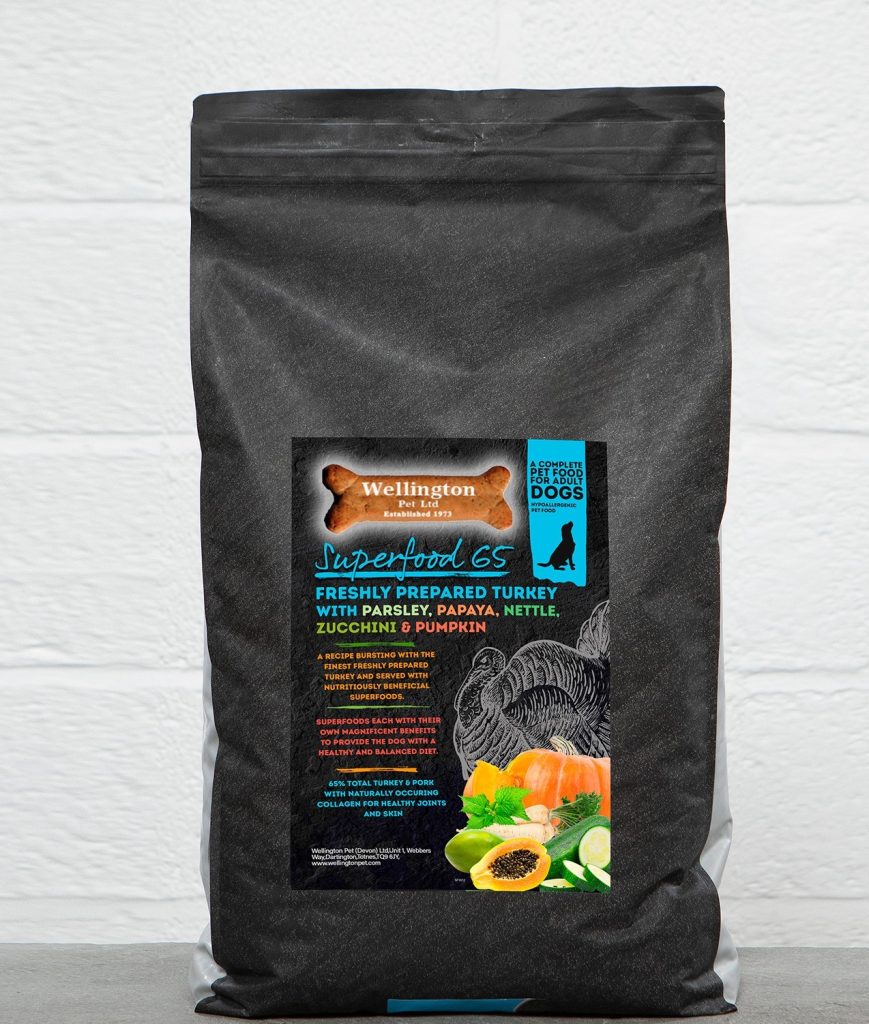
The exploration of hypoallergenic diets is an essential endeavor for every conscientious pet owner. By understanding and addressing food allergies, the right nutritional choices can not only foster a healthier lifestyle for pets but also lead to a deeper bond between pets and their owners. Investing time in researching and selecting suitable hypoallergenic meal options might just transform the lives of countless pets, ushering them into a brighter and healthier future.
The Health Advantages of Switching to Hypoallergenic Diets
Adopting a hypoallergenic diet for pets is more than just a trend; it is a transformative choice that can significantly enhance the quality of life for many animals. For pet owners looking to alleviate the burden of food allergies, understanding the health advantages of these specialized diets is crucial. The foundation of hypoallergenic diets often lies in their carefully selected ingredients that not only exclude common allergens but also provide essential nutrients tailored to the specific needs of sensitive pets.
One of the most notable benefits of hypoallergenic diets is the potential for reducing allergic reactions. When a pet consumes ingredients they are sensitive to, the body may react negatively, leading to symptoms such as chronic itching, skin irritations, and gastrointestinal distress. By eliminating common allergens in their diets, owners can reduce these adverse reactions drastically, providing relief and improving their pet’s comfort—something every pet parent desires.
Furthermore, hypoallergenic diets often utilize limited ingredient formulas. These formulas feature a smaller list of ingredients, making it easier for pet owners to identify any problematic components. This simplicity is essential, especially for animals that may not respond well to numerous ingredients or fillers found in standard pet foods. Common components of these diets often include:
- Novel proteins such as kangaroo or rabbit, which are less likely to cause reactions.
- Single-source carbohydrates like sweet potatoes or peas, known for their digestibility.
- Healthy fats such as flaxseed oil, offering omega fatty acids to support skin health.
Moreover, transitioning to a hypoallergenic diet can also pave the way for improved digestive health. Many hypoallergenic pet foods are designed with highly digestible ingredients that promote better nutrient absorption. This can be particularly beneficial for pets suffering from conditions like inflammatory bowel disease or other gastrointestinal issues. When pets eat food that is easier on their digestive systems, they often experience fewer instances of vomiting, diarrhea, and overall discomfort.
Another significant aspect of hypoallergenic diets is their formulation to meet the dietary needs of pets at various life stages. Whether your pet is a growing puppy or a senior dog, hypoallergenic diets can be tailored to deliver the necessary nutrients for optimal health. This attention to age-specific requirements may play a vital role in ensuring that pets maintain healthy body weight and energy levels, contributing to their overall vitality.
The benefits of hypoallergenic diets are multifaceted, extending beyond just the management of allergies. Ultimately, these diets can support the well-being of pets on several fronts, fostering healthier skin, improved digestion, and increased energy. By prioritizing the right nutrition, pet owners can empower their furry companions to lead happier, healthier lives, reinforcing the bond between them.
| Advantage | Details |
|---|---|
| Reduced Allergic Reactions | Hypoallergenic diets are formulated to minimize allergens found in common pet foods, leading to fewer digestive and skin issues. |
| Improved Digestive Health | Many pets experience better digestion on hypoallergenic diets, as they contain high-quality, easily digestible ingredients that support gut health. |
The increased prevalence of food allergies in pets has made hypoallergenic diets an essential consideration for pet owners. These diets help alleviate symptoms such as itching, chronic ear infections, and gastrointestinal issues linked to allergens in traditional pet food. When properly formulated, these diets can pave the way for healthier, happier pets.For those who are unsure about food allergies, consulting with a veterinarian can provide clarity and direction. Transitioning to a hypoallergenic diet should always be approached carefully, following professional recommendations to ensure optimal health results. By informing yourself about the specific ingredients that may cause issues, you are already taking crucial steps toward enhancing your pet’s quality of life through better nutrition. Exploring options tailored to your pet’s unique sensitivities can open up a realm of health benefits that are well worth the investment.
Enhanced Overall Well-Being and Longevity
In addition to addressing the immediate concerns of food allergies, hypoallergenic diets contribute to the long-term well-being of pets. By prioritizing nutrient-dense ingredients and avoiding allergens, these specialized diets can bolster pets’ immune systems, making them less susceptible to various illnesses. With improved immune function, pet owners may notice fewer visits to the veterinarian and lower overall healthcare costs associated with chronic health issues that stem from dietary indiscretions.
Moreover, hypoallergenic diets are often enhanced with probiotics and prebiotics. These beneficial compounds support a healthy gut microbiome, which plays a crucial role in digestive health and overall immune response. Research indicates that a balanced gut flora not only aids in digestion but also helps in maintaining a robust immune system, enabling pets to fend off diseases more effectively. As an added benefit, well-managed digestive health can lead to increased energy levels and improved behavior, factors that significantly enhance a pet’s quality of life.
Nurturing a Healthier Coat and Skin
One of the more visible signs of a pet’s health can be observed in their coat and skin condition. Pets with food sensitivities often experience skin-related issues such as redness, rashes, and excessive shedding. Hypoallergenic diets, rich in essential fatty acids from sources like fish oil and flaxseed, can lead to a shinier, healthier coat and a reduction in dandruff. Pet owners who switch to these diets frequently report significant improvements in their pets’ skin irritations and overall coat appearance, helping to reduce itching and protect the skin barrier.
In fact, the positive impact of hypoallergenic diets on a pet’s skin and coat is often cited as one of the primary reasons pet parents decide to make this dietary switch. As companions lick their fur or scratch at their skin less often, this not only enhances their physical comfort but also fosters a more pleasant living environment for both pets and their owners.
Supporting Weight Management
Weight issues are common among pets, particularly in a country like the United States, where pet obesity rates are alarmingly high. Hypoallergenic diets can aid in effective weight management by promoting balanced nutrition. These diets are often formulated with high protein content and lower carbohydrate levels, helping pets maintain muscle mass while reducing fat deposits.
Furthermore, the inclusion of high-quality, digestible ingredients contributes to increased satiety after meals. This is particularly beneficial for pets prone to obesity, as they may be less likely to overeat when provided with satisfying, nutrient-rich food. Maintaining a healthy weight is crucial for pet longevity, as it reduces the risk of developing serious health conditions such as diabetes, joint issues, and heart disease.
As pet owners continue to embrace hypoallergenic diets, they are not only making a choice for their pets that minimizes allergic responses but also promoting lifelong health benefits. The power of nutrition should not be underestimated; it plays a vital role in ensuring pets lead longer, healthier lives, filled with vitality and joy. This transformative approach underlines the importance of informed dietary choices, steering owners towards more mindful consumption and care for their beloved companions.
Conclusion: Embracing Hypoallergenic Diets for Healthier Pets
In conclusion, the adoption of hypoallergenic diets for pets represents a significant stride towards enhancing their overall health and well-being. The benefits extend beyond the alleviation of allergic reactions, as these specialized diets also contribute to improved immune function, healthier skin and coat conditions, and effective weight management. By prioritizing nutrient-rich ingredients and avoiding common allergens, pet owners can witness tangible transformations in their furry friends, from better energy levels to a more vibrant appearance.
The positive implications of hypoallergenic diets are particularly notable in a nation grappling with rising pet obesity rates and chronic health conditions. Providing pets with diets high in protein and low in unnecessary fillers empowers owners to take charge of their pets’ nutrition and overall longevity. Additionally, the incorporation of probiotics and prebiotics in these diets underscores the connection between gut health and immune resilience, further emphasizing the critical role of intelligent dietary choices.
Pet owners are encouraged to explore the diverse range of hypoallergenic options available in the market today and consult with their veterinarians to determine the best fit for their pets’ unique needs. Ultimately, embracing these dietary changes not only protects pets from allergies but also nurtures their health, comfort, and happiness. As we continue to learn about the profound effects of nutrition on our beloved companions, fostering informed feeding habits will undoubtedly cultivate a happier, healthier future for pets and their families alike.