The body language of pets: how to understand what your animal is trying to say

The Intricacies of Pet Body Language
Pets, whether furry, feathery, or scaly, communicate their feelings and intentions through body language. Just like humans, animals have a unique way of expressing emotions. Learning these signals can significantly enhance your relationship with your pet and lead to a greater understanding of their needs and desires.
Understanding the body language of pets involves recognizing specific cues that can tell you a lot about their emotional state. Here are a few key indicators:
- Tail Position: A wagging tail often indicates excitement or happiness, particularly if it is wagging vigorously from side to side. Conversely, a tucked tail is a clear sign of fear or submission, signaling that a pet may feel threatened or anxious.
- Ears: The position of a pet’s ears can indicate various emotions. Forward-facing ears typically suggest curiosity or alertness, as if the animal is keenly observing its surroundings. In contrast, flattened ears may suggest aggression or submission, especially if accompanied by a low growl or other threatening body language.
- Eyes: The eyes can convey a wealth of information. For instance, slow blinks can indicate trust and relaxation. This is especially common among cats, who often engage in this behavior with their human companions to signal affection. On the other hand, wide, dilated eyes can indicate anxiety, distress, or excitement—especially if the pet is startled or scared.
To fully decode your pet’s behavior, it’s essential to consider how various factors play a role in their communication:
- Environment: Changes in their surroundings—such as moving to a new home, the introduction of a new pet, or even different weather conditions—can significantly impact your pet’s comfort level. For example, a normally cheerful dog may become withdrawn during a thunderstorm.
- Interactions: Observing how your pet interacts with other animals or people can reveal their social tendencies. A dog that is friendly and outgoing with humans may exhibit fearful behavior around unfamiliar dogs, indicating their level of social comfort.
- Health: Changes in body language can sometimes indicate underlying health issues. A normally active cat that suddenly becomes lethargic or a dog that stops wagging its tail could be signaling discomfort or illness and should be evaluated by a veterinarian.
By paying close attention to these subtle signs, you’ll be better equipped to respond to your pet’s needs, creating a harmonious living environment for both of you. This knowledge not only fosters a deeper bond but also ensures a happier and healthier life for your animal companion. Investing time in understanding pet body language can remarkably enhance the relationship between you and your furry, feathery, or scaly friend. Dive deeper into the world of pet communication and discover how each gesture speaks volumes about their feelings and perspective!
Decoding Your Pet’s Emotional Signals
Understanding the body language of pets requires keen observation and a willingness to learn the intricate signs that convey their feelings. Each species has its own set of behaviors that can provide insight into their moods and intentions. By familiarizing yourself with these non-verbal cues, you can anticipate your pet’s needs, leading to a more fulfilling companionship.
Here are some common behaviors to watch for in various pets:
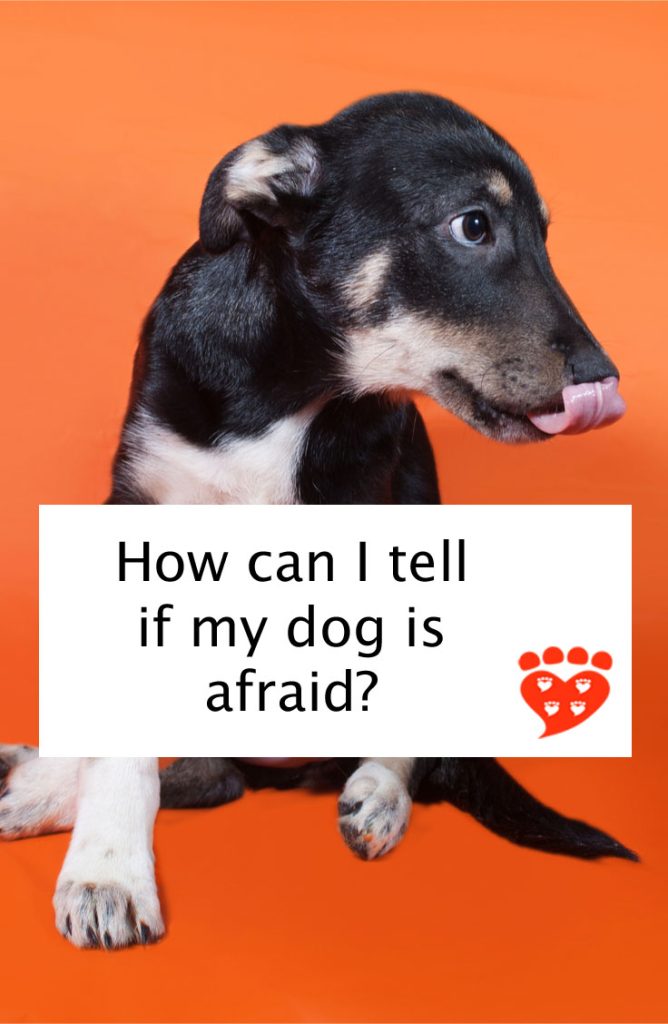
- Dogs: Dogs are often considered masters of communication. A dog’s posture can tell you a lot; for instance, a dog standing tall with a relaxed body is usually confident and content, while a dog that bows its front legs while keeping its rear end up is signaling playfulness. On the contrary, if a dog appears to be hunched with its tail between its legs, it may be scared or anxious.
- Cats: Cats use a mix of subtle signals and overt gestures. A cat that is ready to be petted may approach with a relaxed body, purring softly. However, if a cat’s tail is puffed up and held upright, it can express agitation or the desire to establish territory or distance. Understanding these nuances is vital—any sudden movement, like a swat of their paw, may be a signal that they need space.
- Birds: Bird body language can be equally complex. Parrots, for example, may show their mood through their feathers. Fluffed feathers can indicate a bird is cold or sick, while a bird that leans forward with its beak open may be asking for attention. Listening to the chirps and sounds they make can also provide additional context to their emotional state.
- Small Mammals: Animals like rabbits and guinea pigs communicate primarily through body language and facial expressions. A relaxed body posture with ears at ease indicates comfort, while fast, thumping movements from a rabbit may signal fear or discomfort. It’s essential to create a safe environment that allows them to express themselves fully.
The emotional signals pets send are not solely dependent on their individual behaviors but also influenced by several external factors. Recognizing these can help you navigate their complex world of emotions:
- Routine: Pets thrive on consistency. A sudden change in their daily routine can lead to noticeable alterations in their behavior. For example, a pet that seems withdrawn or agitated may be reacting to changes in their feeding schedule or exercise routine.
- Socialization: How your pet interacts with humans and other animals significantly shapes their behavioral habits. A pet that feels secure in a diverse social setting will display confident body language, while one that has faced previous negative encounters may appear fearful or timid around others.
- Health and Wellbeing: It’s crucial to be attentive to your pet’s body language as it can serve as a first line of defense regarding health issues. Uncharacteristic behavior, such as hiding or aggressiveness, could indicate pain or illness, prompting an immediate veterinary check-up.
By delving deeper into these behaviors and recognizing their implications, you can foster a stronger bond with your pet, ensuring they feel understood and loved. Whether it’s decoding a dog’s bark or interpreting a cat’s twitching tail, understanding the body language of pets paves the way for a richer, more fulfilling relationship.
| Body Language Signals | Interpretation |
|---|---|
| Tail Position | A high and wagging tail typically indicates happiness, while a low or tucked tail may suggest fear or submission. |
| Ear Position | Ears up and alert can show curiosity, while flattened ears indicate aggression or defensiveness. |
| Posture | A relaxed body posture reflects calmness and comfort, whereas a stiff stance could hint at tension or anxiety. |
| Purring or Growling | Purring often signals contentment, while growling may indicate discontent or a warning. |
Understanding these body language signals is crucial for pet owners and can significantly improve the relationship між ธรรมดา. Each signal carries specific meanings that can help decipher what our beloved friends are trying to communicate. The more you learn about their behaviors, the better equipped you are to foster a happy and healthy environment for them. Observing these signals consistently will not only deepen your bond but also enhance your ability to respond to their needs effectively.
Building a Two-Way Communication Channel
To truly grasp the body language of pets, it is not just about interpreting their signals; it also involves fostering an environment where they feel safe to express themselves. This reciprocal relationship can significantly enhance communication and deepen the bond between you and your pet. Here are some strategies to build that connection:
- Observe and Reflect: Spend time watching your pet without interaction. This observation period allows you to note their typical behavior and changes over time. If your pet, for example, usually greets you at the door with excitement and suddenly stops, it could signal an emotional shift or health issue. Taking notes on their behavior patterns can help you notice fluctuations and respond more effectively.
- Engage in Play: Engaging your pet in play is a vital way to strengthen your bond and learn communication cues. Different play styles can reveal how a pet expresses excitement or comfort, such as a dog wagging its tail with enthusiasm or a cat pouncing playfully while showcasing its hunting skills. The more fun you have together, the more you can learn about their unique preferences and emotional signals.
- Use Positive Reinforcement: Rewarding your pets for exhibiting desired behaviors can reinforce communication. For instance, if your dog sits calmly while another dog passes by, rewarding this behavior with a treat or praise encourages them to repeat it. The act of providing positive reinforcement can create a feedback loop, solidifying your understanding of their body language over time.
- Establish a Safe Space: Creating a comfortable and secure environment is crucial for your pet to feel confident enough to communicate. Whether it is a cozy corner for your cat or a plush bed for your dog, having a dedicated space promotes relaxation and lowers anxiety. An anxious pet is less likely to exhibit clear body language, making it difficult for you to interpret their feelings accurately.
Understanding the body language of pets can also involve learning about various species and their specific needs. Here’s how you can interpret behavior across different environments:
- Dogs in Groups: Social dynamics play a crucial role in how dogs communicate in groups. Observing how your dog interacts with others can provide insight into their comfort levels. A dog that rolls on its back in front of others is typically demonstrating submission and trust, while a dog that keeps its distance may be feeling threatened. Understanding these dynamics can help you navigate playdates or trips to the dog park.
- Cats in Shared Spaces: In multi-pet households, the body language of one cat can affect the others. A cat that hisses or fluffs up its tail may not only be expressing its distress but also influencing the behaviors of other cats. By recognizing how your pets react to one another, you can intervene when necessary to prevent conflicts and ensure a harmonious environment.
- Birds in Advanced Behaviors: For pet birds, complex body language can indicate various emotional states. A bird that lowers its head may be inviting you to scratch it. Recognizing the subtleties in their behavior fosters a stronger relationship, allowing you to respond appropriately and build trust.
As you learn to navigate the unspoken language of your pets, remember that patience and empathy are key components. The commitment to understanding their needs and emotional signals ultimately leads to a richer and more harmonious relationship, transforming the way you interact with your beloved companion.
Conclusion
In understanding the body language of pets, we unlock a world of non-verbal communication that significantly enhances our interactions with our furry and feathered companions. By attentively observing their behaviors, fostering trust, and creating safe environments, we can improve our ability to interpret their emotional states accurately. Each pet has its own unique way of expressing feelings, whether it be a wagging tail or a gentle purring, reflecting a tapestry of emotions ranging from joy to anxiety.
As we embark on this journey of mutual understanding, it is essential to recognize the individual cues that different species display. Understanding social dynamics within groups, such as how dogs behave in a park or how cats interact in shared spaces, can reveal crucial insights into their temperaments and feelings. Moreover, the intricate nuances in a bird’s body language highlight the depth of communication even in smaller creatures.
Ultimately, building a robust communication framework with our pets not only enriches their lives but also deepens the emotional bond we share. By responding to their needs and expressions with patience and empathy, we cultivate a nurturing environment that allows both animals and humans to thrive together. Investing the time to learn about the body language of pets pays off in a more harmonious coexistence, transforming our homes into places of mutual understanding and companionship. As we decode their unspoken words, we take significant steps toward becoming more attentive and loving guardians of our beloved pets.