The Emotional Impact of the Adoption Process on Pets and Their New Owners

The Emotional Tapestry of Pet Adoption
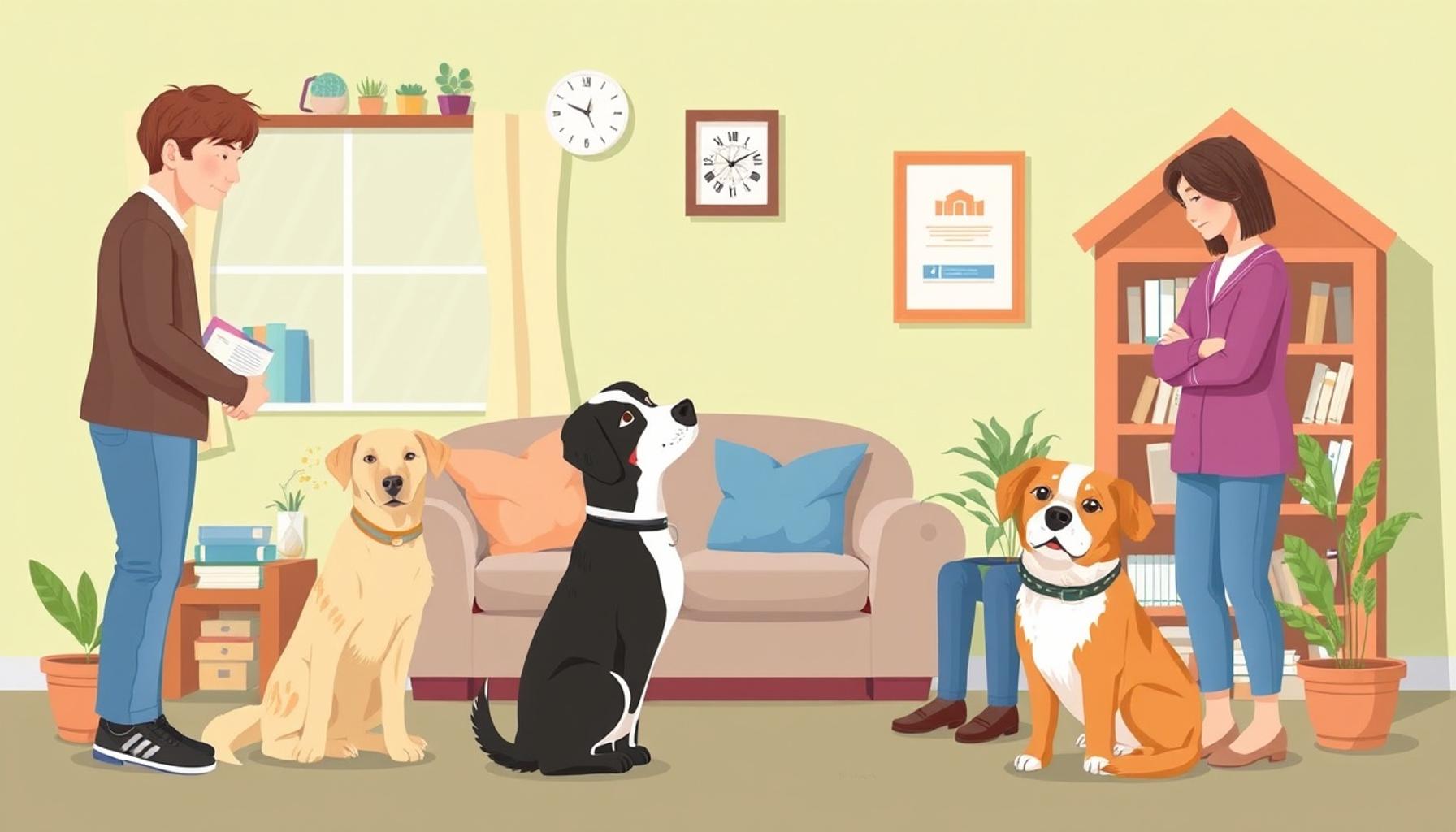
Bringing a pet into your home is a transformative experience that transcends mere companionship. Each adoption story is woven with a complex array of emotions that can profoundly shape the lives of both the animals and their new families. Understanding the depth of this emotional journey can offer insight into how to foster a healthy, loving relationship that thrives for years to come.
Emotions Experienced by Pets
Animals rescued from shelters often carry the weight of their past experiences. Many have faced fear and anxiety stemming from abandonment or mistreatment, leading to behavioral challenges that require patience and understanding from their adopters. For instance, a dog that previously lived on the streets may be wary of sudden movements or loud noises, taking time to adjust to the sounds of a home. This initial apprehension can manifest in behaviors such as hiding or cowering.
However, alongside this fear often lies a profound sense of hope. As pets begin to realize they are in a safe environment, their instincts signal the possibility of a new, loving life. For example, a cat that spent a year in a shelter might first engage in cautious exploration of its new home, gradually transitioning into a playful companion as it learns to trust its new family.
Ultimately, this journey leads to joy. The moment a pet discovers warmth, affection, and security can be a turning point—for instance, a dog may develop a wagging tail and playful demeanor when it realizes its new family will provide food, exercise, and attentive care. These transformations remind us of the resilience of animals and their capacity to love deeply despite past traumas.
The Emotional Landscape for New Owners
The emotional journey of pet adoption isn’t one-sided; new owners traverse their own landscape filled with a blend of feelings. The initial excitement of bringing home a furry companion can be exhilarating. The anticipation of new adventures, unconditional love, and shared moments brings a sense of enthusiasm that is hard to replicate. However, this thrill can quickly be tempered by a sense of stress. Many new dog or cat owners grapple with concerns about how to provide the best care, training, and socialization for their new pet. This anxiety can sometimes lead to second-guessing their decisions or feeling overwhelmed with responsibility.

Nonetheless, as owners invest time and effort into understanding their pets, a genuine sense of fulfillment emerges. Witnessing a timid dog become more confident or a shy cat find comfort in their embrace can be heartwarming and rewarding. These moments of connection foster an emotional bond that is unique and resilient, transcending the challenges faced during the initial adjustment period.
Conclusion
Through the adoption process, both pets and their new families embark on a journey of emotional discovery and growth. By recognizing and navigating the waves of feelings that accompany pet adoption, potential owners can cultivate an enriching experience—not just for themselves, but for their future companions as well. Ultimately, the shared experiences of overcoming adversity, learning to trust, and creating a loving home lay the groundwork for lasting, joyful relationships that can significantly enhance the quality of life for both pets and their humans.
Understanding the Journey of Emotions
The emotional impact of the adoption process is a multifaceted experience that affects both pets and their new owners in profound ways. For many potential adopters, the decision to take a pet into their home is fueled by strong feelings of compassion and the desire to give a second chance to an animal in need. This sense of altruism is often accompanied by a hopeful anticipation of the joys that pet ownership can bring. However, as the adoption becomes a reality, the emotional journey tends to deepen, revealing layers of complexity that can influence the dynamics of the relationship.
Navigating the Difficulties
While the initial decision to adopt is typically driven by positive emotions, the subsequent challenges can create a turbulent emotional landscape for both pets and their new families. For adopters, navigating the nuances of their new pet’s behavior can be daunting. Common challenges include:
- Behavioral Issues: Many shelter animals exhibit signs of trauma which can manifest as anxiety, aggression, or shyness.
- Adjustment Period: New pets often require time to acclimate to their surroundings, leading to potential disruptions in the household.
- Training Needs: New owners may feel overwhelmed by the responsibility of house training or socializing their pet.
These challenges can sometimes lead to feelings of doubt and frustration among new owners. However, it is essential to recognize that these emotions are a natural part of the process. As adopters confront these issues, they often discover new strengths within themselves—the resilience to adapt, learn, and grow alongside their pets.
The Healing Force of Connection
Despite these initial hurdles, the emotional impact of forming a bond with a new pet is an incredibly powerful aspect of the adoption experience. As pets begin to feel secure in their new environments, the relationship between pet and owner often blossoms into a source of comfort and joy. Shared activities like playtime, walks, or quiet cuddling sessions can create moments of pure bliss that reaffirm both parties’ commitment to one another.
This bond serves as a vital healing force for both pets and owners, as pets provide unconditional love and emotional support, helping their humans navigate the stresses of daily life. Studies indicate that interacting with pets can reduce stress, lower blood pressure, and even combat depression, demonstrating that the emotional exchange in these relationships can be mutually beneficial.
Ultimately, understanding the deeply emotional journey of the adoption process allows potential pet owners to approach this life-changing decision with greater awareness. By recognizing the challenges and celebrating the connections that arise, both pets and their new families can embark on a path of growth and healing that enriches their lives for years to come.
| Emotional Bonding | Impact on Well-being |
|---|---|
| Stronger Connections | Improved Mental Health |
| Adopting a pet fosters a deep emotional bond between the new owner and the pet, with mutual affection that grows over time. | Studies indicate that owning a pet can significantly enhance emotional well-being, reduce feelings of loneliness, and provide a sense of purpose. |
| Affectionate Companionship | Stress Relief |
| The companionship provided by an adopted pet encourages the sharing of unconditional love and support, essential for emotional expression. | Interactions with pets have been linked to lower cortisol levels and increased oxytocin release, promoting calmness and relaxation. |
The adoption process not only impacts the lives of pets but also dramatically alters the emotional landscape of their new owners. In understanding the significance of emotional bonding, it becomes evident how adopting a pet offers an avenue for both parties to experience joy and companionship that enriches their lives. The effects aren’t simply superficial; rather, they delve deeper into enhancing psychological well-being. For many, pets serve as a reliable source of comfort and affection, fulfilling an innate need for companionship. Furthermore, the mutual love established during adoption translates into nurturing relationships, where both pet and owner thrive. The emotional repercussions of this relationship foster a healthy environment, guiding individuals toward improved mental health outcomes. As owners engage with their pets—participating in play, training, or simply sharing quiet moments—they often report significant decreases in stress and anxiety levels. In exploring these dynamics, it’s clear that the emotional impact of the adoption process is profound, not only transforming the lives of an animal in need but also shaping a more fulfilling journey for their new owners. This connection, forged through shared experiences, evolves into a vital support system that echoes throughout both their lives.
The Ripple Effects of Adoption on Community and Society
The implications of pet adoption extend beyond the emotional impacts felt within individual households; they reverberate through communities and society at large. When people choose to adopt rather than buy pets, they contribute to a cultural shift towards compassion and responsibility. This choice can foster a sense of community as adopters often come together to share their experiences, support one another, and engage in local awareness campaigns about the benefits of pet adoption.
Building a Supportive Network
Many new pet owners find value in connecting with local adoption groups and shelters that provide resources to help them navigate the challenges they face. These organizations often offer training courses, workshops, and social events that cultivate a sense of belonging among pet lovers. Engaging with other adopters can lead to valuable friendships and shared understanding of the emotional toll that comes with integrating a pet into one’s life.
Online communities and social media platforms also play a crucial role in this interconnected network. Pet owners can share their triumphs and trials, gaining insights and encouragement from others who have walked a similar path. For instance, Facebook groups dedicated to pet adoption promote bonding through shared stories, while platforms like Instagram allow owners to showcase the growth and progress of their pets, creating an uplifting narrative that emphasizes joy and resilience.
The Role of Educating Future Generations
Another significant emotional impact of pet adoption is the opportunity to educate children and future generations about empathy, responsibility, and the importance of animal welfare. Families that adopt pets often find themselves in a unique position to teach younger members about compassion towards animals that have endured hardships. Involving children in the care and training of their new pets nurtures important life skills, including patience and commitment. Studies indicate that children raised in pet-inclusive households may exhibit higher levels of empathy and social competence, laying the foundation for a kinder future.
Moreover, schools and community organizations increasingly integrate pet adoption into their curricula, modeling positive behaviors around animal care and bonding. Programs that include therapy animals in educational settings showcase not only the emotional support animals can provide but also the therapeutic benefits these animals offer to students facing various challenges. This innovative approach reinforces the notion that the adoption process extends far beyond personal fulfillment—its impact can effect societal change.
The Long-Term Emotional Commitments
It is essential to recognize that the journey of pet adoption is often significant and ongoing, marked by evolving emotions as the relationship matures. Owners may experience a range of emotions as they respond to their pets’ changing needs over time. For instance, the aging process of a pet may evoke feelings of sadness and anticipatory grief, while moments of joy such as overcoming behavioral challenges can renew a sense of accomplishment and partnership.
Moreover, the emotional labor of caring for a pet can serve as a rewarding outlet for many pet owners, helping them cultivate self-awareness and emotional intelligence. As they learn to interpret their pets’ needs and emotions, owners often find themselves becoming more sensitive to their own emotional states, creating a symbiotic relationship built on trust and understanding.
In essence, the emotional impact of the adoption process is a dynamic journey that cultivates not only personal well-being but fosters community engagement and societal change. By recognizing the ripple effects of their decisions, both pets and their new owners can enrich one another’s lives in ways that extend far beyond the walls of their homes.
Conclusion: The Lasting Bonds of Love and Growth
The emotional journey of pet adoption is profound and multi-faceted, touching not just the individuals directly involved—the pets and their new owners—but also the broader community and society. This connection fosters compassion, responsibility, and empathy, illuminating the transformative power of adoption not only for the animals saved from uncertain futures but also for the families that welcome them. As adoptive pet owners share their experiences, they contribute to a culture that values kindness and advocates for animal welfare, reflecting a shift towards a more compassionate society.
Moreover, the support networks built through local shelters and online platforms underscore the importance of community in navigating the emotional complexities associated with pet adoption. These connections lead to shared learning experiences and friendships, creating a resilient community that rallies around a common cause. Involving children in the pet adoption process further reinforces the teaching of valuable lessons in empathy and responsibility, ensuring that the values of kindness are passed on to future generations.
Ultimately, the emotional impact of the pet adoption process extends beyond the immediate joy of finding a companion; it shapes the lives of individuals, educates the community, and promotes a more humane society. As pet owners continue to navigate the evolving relationship with their adopted pets, they discover not only the depths of their emotional resilience but also the immeasurable joy that comes from giving a loving home to an animal in need. In recognizing the long-term commitments and emotional growth involved, both owners and their pets can embark on a journey of connection and understanding, enriching each other’s lives in ways that last a lifetime.