The Impact of Animal-Assisted Therapy on the Mental Health of Owners: Benefits and Necessary Care
Understanding the Transformative Power of Animal-Assisted Therapy
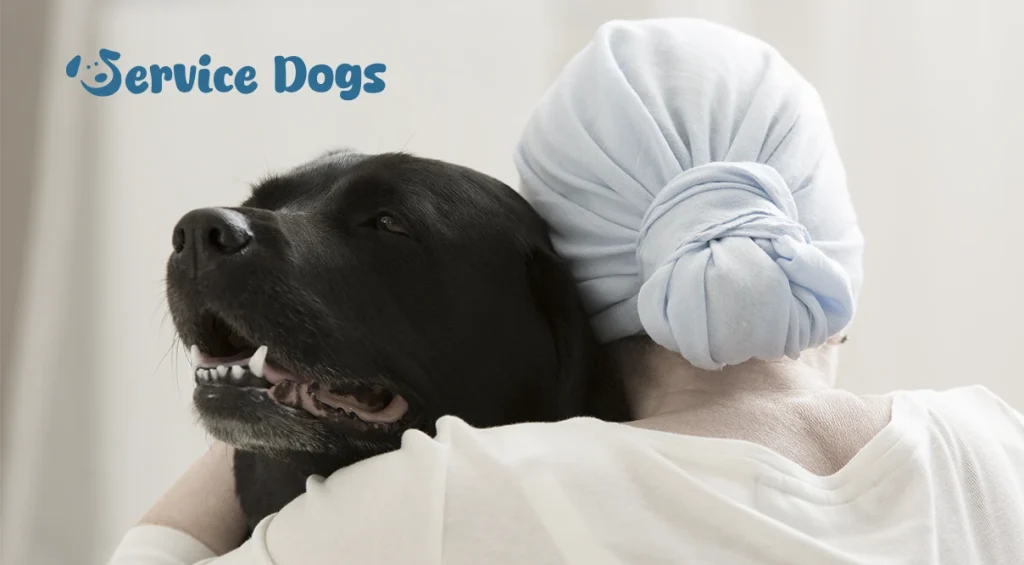
Animal-assisted therapy (AAT) is rapidly becoming a popular and recognized method for enhancing mental health and emotional well-being. By harnessing the profound bond between humans and animals, particularly pets, AAT provides a unique approach that offers numerous psychological benefits to participants. This innovative form of therapy not only supports emotional healing but also fosters resilience in individuals facing various mental health challenges.
The emotional support offered by animals cannot be overstated. For many people, pets serve as loyal companions who alleviate feelings of loneliness and depression. For instance, a study from the University of Missouri found that individuals suffering from anxiety reported significant mood improvements after engaging in therapy involving dogs. The unconditional love and affection from animals can often fill emotional voids, providing comfort and stability in tumultuous times.
Stress reduction is another critical aspect of AAT. Interacting with animals has been shown to decrease cortisol levels—the hormone typically associated with stress—while simultaneously boosting levels of serotonin and dopamine, neurotransmitters that promote feelings of happiness. Petting a dog or cuddling with a cat can instill a sense of calmness; such interactions trigger biological responses that encourage relaxation, proving beneficial for those coping with stress-related disorders.
Furthermore, AAT encourages physical activity, which is essential for maintaining optimal mental health. When individuals take their dogs for daily walks or engage in play with their pets, they inadvertently cultivate a more active lifestyle. Research indicates that regular physical activity not only enhances mood but also improves cognitive function, reinforcing the mental benefits derived from AAT.
Many have turned to AAT as a source of relief from various mental health issues. The therapy fosters an environment characterized by empathy and understanding, where individuals can express their vulnerabilities without judgment. Participants often report elevated mood levels, increased self-esteem, and enhanced social connections, creating a community around healing.
Key Considerations for Animal-Assisted Therapy
While the advantages of AAT are substantial, several key considerations are essential for ensuring a fruitful therapy experience. First, animal selection plays a pivotal role; the ideal therapy animal should exhibit a calm temperament, be well-socialized, and possess the ability to connect emotionally with humans. Common choices include dogs, cats, and even horses, each of which offers unique benefits tailored to diverse therapeutic needs.
Proper training is also vital for both the animal and the owner. Animals must be trained to interact positively and safely with therapy participants, while owners should understand how to facilitate these interactions to maximize therapeutic outcomes. Programs that certify therapy animals typically involve rigorous training schedules to prepare both parties for various scenarios encountered during therapy sessions.
Additionally, maintaining regular veterinary care is vital to ensure that therapy animals remain healthy and effective in their roles. Regular check-ups can prevent potential health issues that could interfere with therapy sessions, ensuring consistent support. This aspect is often overlooked, yet it is critical for continuity in the therapeutic environment.
By acknowledging these considerations, individuals can unlock the full potential of animal-assisted therapy, leading to profound transformations in their mental health and personal well-being. In a world where the pressures of daily life can outweigh personal joy, AAT emerges as a beacon of hope, gently reminding us of the healing power of companionship and connection.
The Benefits of Animal-Assisted Therapy for Mental Health
Animal-assisted therapy (AAT) stands out as an innovative approach that enhances mental health by fostering deep connections between humans and animals. This therapeutic method is not only gaining traction in clinical settings but is also increasingly embraced by individuals seeking emotional support in their daily lives. The effects of AAT on mental health are both profound and multifaceted, providing an array of advantages for owners and therapy participants alike.
One of the primary benefits of AAT is its ability to significantly alleviate symptoms of anxiety and depression. Research published in the Journal of Psychosocial Nursing and Mental Health Services highlights how interactions with therapy animals can lead to reductions in anxiety levels among individuals with multiple mental health disorders. The act of petting or engaging with an animal has been shown to lower the heart rate and blood pressure, promoting a state of calm. Owners frequently express that a few moments spent with their pets can result in substantial mood elevation and emotional stability, further reinforcing the bond of affection and trust inherent between owner and animal.
Another significant advantage is the promotion of social interaction and support. Individuals who participate in AAT often find themselves more inclined to engage with others, as animals serve as natural conversation starters. Pet owners may meet fellow dog enthusiasts during walks, fostering friendships that can mitigate feelings of isolation. Additionally, group therapy sessions featuring animals can create a sense of community among participants, strengthening support networks that are crucial for mental health recovery.
Moreover, AAT encourages the development of essential skills and coping mechanisms. Engaging with animals fosters empathy, responsibility, and patience, traits that are beneficial not only in the world of therapy but also in daily interactions. Distinctively, AAT can empower individuals, providing them with constructive outlets to express their feelings, process trauma, and develop resilience. Pet ownership itself demands a level of caregiving that instills purpose and encourages routine—a factor especially beneficial for individuals combating conditions such as depression.
Holistic Benefits Beyond Mental Health
The positive impacts of AAT extend beyond mere emotional healing; they also influence various aspects of a person’s well-being. Consider the following holistic benefits:
- Physical Health Improvements: Regular interaction and activities with pets encourage physical exercise, which is vital in combating sedentary lifestyles.
- Enhanced Coping Skills: Animals can serve as a sounding board, helping owners navigate difficult feelings without fear of judgment.
- Increased Sense of Routine: Caring for a pet instills daily structure, facilitating a sense of normalcy and stability in otherwise chaotic lives.
- Development of Mindfulness: Engaging with animals encourages present-moment awareness, further contributing to stress relief.
Understanding these benefits compels many to explore the potential of AAT as a powerful tool for personal growth and emotional recovery. However, it is crucial that therapy sessions are structured around the needs of both the animal and the owner, ensuring ongoing effective outcomes in mental health improvement. As we delve into necessary care practices and considerations for initiating AAT, we uncover the intricacies involved in maximizing its benefits.
| Advantages of Animal-Assisted Therapy | Impacts on Mental Health |
|---|---|
| Emotional Support | Animals provide significant emotional support, alleviating symptoms of anxiety and depression. |
| Improved Social Interactions | Interactions with therapy animals can enhance social skills, fostering connections with others. |
| Stress Reduction | Petting animals has been shown to lower cortisol levels, directly reducing stress. |
| Encouragement of Physical Activity | Engaging with pets encourages physical activity, which is vital for mental well-being. |
Animal-Assisted Therapy (AAT) is increasingly recognized for its profound impact on mental health, particularly among pet owners. By integrating animals into therapeutic practices, individuals can experience enhanced psychological stability. The mere presence of a pet often leads to increased oxytocin production, promoting feelings of happiness and connection. Moreover, structured interaction with animals encourages emotional expression, making it easier for individuals to confront personal challenges.Through AAT, owners can develop essential coping skills, learning how to manage stress through interactions with their animals. This dynamic not only aids in personal growth but influences an owner’s overall lifestyle changes, fostering a more positive mental state. The relationship between humans and animals in these settings offers a unique therapy framework, emphasizing the essential need for care and responsibility, which reflects back on the pet owner’s mental resilience. Therefore, exploring AAT programs can significantly illuminate the path to improved mental health by engaging deeper emotional and physical involvement with animals, thus enhancing overall well-being.
Necessary Care and Considerations for Effective Animal-Assisted Therapy
While the benefits of animal-assisted therapy (AAT) are compelling, it is equally important to consider the necessary care and conditions that ensure the success of this therapeutic approach. Implementing AAT effectively involves more than simply introducing a pet into a person’s life; it requires a dedicated commitment to the well-being of both the owner and the animal involved.
Choosing the Right Animal is a critical first step in the AAT process. Different animals bring various characteristics and temperaments to the therapy experience. For example, dogs are known for their loyalty and energy, making them ideal for active interactions. Cats, on the other hand, can provide tranquility and a quieter companionship. Understanding the unique characteristics of these animals and matching them with the individual’s emotional needs or therapy goals is essential. Organizations that facilitate AAT often conduct assessments to ensure positive compatibility between animals and clients, thus maximizing the therapeutic effects.
Training and Certification are equally vital components of AAT. Therapy animals must undergo specific training to ensure they are temperamentally suited to work with people, especially those facing mental health challenges. Programs offered by organizations like the American Kennel Club focus on temperament evaluation and instruction for therapy animals. These programs equip animals with the skills necessary to manage social interaction, navigate unpredictable environments, and provide appropriate responses to their handlers’ needs. Moreover, having appropriately trained animals can significantly enhance the overall therapy experience, ensuring both safety and emotional support.
Moreover, regular veterinary care is essential for the physical and emotional well-being of therapy animals. Routine check-ups, vaccinations, and health assessments not only assure that the animals are healthy but also contribute to their effectiveness in therapy settings. Healthier animals are more likely to engage positively with clients, offering genuine companionship. Neglecting the health of therapy animals can inadvertently lead to reduced efficacy in therapy, thereby harming the mental health benefits for owners.
Building a Therapeutic Environment
Creating a supportive and therapeutic environment is another critical aspect of successful AAT. The surroundings in which therapy occurs should be comfortable, welcoming, and free from distractions. Whether it’s a session in a clinical setting or at home, the atmosphere should facilitate calm and open communication between the owner and the animal. Elements such as soft lighting, comfortable seating, and minimal noise can greatly enhance the interaction.
In addition to physical comfort, the emotional state of the owner is paramount. Owners must feel a sense of trust in their therapy animal. This bond is typically developed over time through consistent and caring interactions. Sweet gestures, such as a comforting touch or gentle words, can reinforce this connection and enhance the overall therapeutic experience.
Finally, ongoing education and support for individuals embarking on AAT is crucial. Owners should be informed about the potential challenges that can arise in therapy, including managing emotional responses or addressing any behavioral concerns with their therapy animal. Many organizations provide workshops, support groups, and educational resources, empowering owners with knowledge that not only helps them in their journey but also contributes to the enrichment of the animal’s role in the therapeutic process.
As the field of AAT continues to evolve, the integration of thoughtful care practices stands as a pillar supporting its effectiveness. By prioritizing the health and well-being of both owners and therapy animals, the transformative power of animal-assisted therapy can be fully harnessed, paving the way for meaningful changes in mental health and overall well-being.
Conclusion: Unlocking the Healing Power of Animal-Assisted Therapy
In summary, animal-assisted therapy (AAT) represents a groundbreaking intersection between companionship and mental health care, offering myriad benefits for individuals seeking to improve their emotional well-being. The bond formed between an owner and their therapy animal is not merely a source of comfort; it can actively foster resilience, reduce anxiety, and enhance overall life satisfaction.
As evidenced throughout this discussion, the journey towards effective AAT begins with choosing the right animal, ensuring comprehensive training and certification, and maintaining the animal’s health through regular veterinary care. Owners must create supportive environments that promote trust and engagement, allowing both parties to thrive in the therapeutic context. With the right knowledge and resources, owners can navigate the nuances of their relationships with therapy animals, leading to enriching and healing experiences.
Moreover, continuous education and open communication between owners, clinicians, and therapist organizations empower individuals to harness the full potential of AAT while addressing any arising challenges effectively. As research continues to unveil the depth of AAT’s impact on mental health, it is vital for prospective owners to explore this innovative therapeutic approach further. Embracing the journey of AAT may not only bring about personal revelations but could significantly enhance the lives of countless individuals seeking solace in their four-legged companions.
Ultimately, the integration of animal-assisted therapy into mental health practices serves as a testament to the profound bond between humans and animals. By understanding the necessary care and considerations inherent in AAT, we stand at the threshold of a promising frontier in mental health, one that not only benefits individuals but also celebrates the remarkable contributions of our animal friends.