The Importance of Hydration in Pet Nutrition: Tips to Ensure Your Animal Drinks Enough Water
Understanding Pet Hydration
Just like humans, pets require adequate hydration to maintain their health and vitality. Water is a crucial component of pet nutrition, influencing everything from digestion to energy levels. Yet, many pet owners overlook the importance of ensuring their pets drink enough water daily. In fact, studies indicate that a significant number of pets are chronically dehydrated, which can lead to serious health issues over time.
Why is Hydration Vital?
Hydration plays a significant role in your pet’s overall well-being. Here are some compelling reasons:
- Promotes Healthy Digestion: Proper water intake aids in the breakdown of food and the absorption of essential nutrients. For instance, dogs that eat dry kibble often require additional water to help digest their meals properly, as kibble can be quite dehydrating.
- Regulates Temperature: Adequate hydration helps pets maintain their body temperature, especially in hot climates. Pets can easily overheat during summer, and a lack of water exacerbates this risk. Providing pet-safe ice cubes or refreshing water bowls during outdoor activities can prevent overheating.
- Supports Organ Function: Water is essential for kidney function and helps detoxify the body. Good hydration ensures that waste products are efficiently filtered out, reducing the risk of urinary tract infections and kidney stones, particularly common in cats that may not drink enough water on their own.
Recognizing Signs of Dehydration
Being able to identify dehydration in pets is critical. Look out for these indicators:
- Dry Gums: Check if your pet’s gums are dry or pale. Healthy gums should be moist and pink. If they appear dry, this can be an immediate cause for concern.
- Excessive Lethargy: Noticeable tiredness and reluctance to move, especially in typically energetic breeds, can signal dehydration. If your dog shows no interest in play, this should prompt a hydration check.
- Loss of Skin Elasticity: A quick skin pinch test can show if hydration levels are low. Gently pulling up on the skin between the shoulder blades and watching how quickly it returns can indicate hydration status; if it takes longer than normal to flatten back, it may signal dehydration.
Moreover, factors such as age, size, activity level, and diet can all affect how much water your pet needs. For example, senior pets or those on a dry food diet may require more water than their younger, wet-food-eating counterparts. It is vital for pet owners to proactively monitor their pets’ water intake throughout the day.
Please continue to discuss effective tips to ensure your furry friend drinks enough water. Options such as flavored pet water, pet water fountains that entice animals with fresh, flowing sources, and even incorporating wet food into their diet can boost hydration levels. Keeping your pet hydrated is vital for their happiness and health, making it a priority in pet care. Remember that ensuring proper hydration can contribute to a longer, healthier life for your beloved companion.
Encouraging Your Pet to Drink More Water
While understanding the importance of hydration in your pet’s diet is essential, it is equally critical to implement effective strategies to ensure your furry friend consumes enough water on a daily basis. Many pets can be notoriously picky about their drinking habits, and as a responsible pet owner, your role is to promote continual hydration. Here are some compelling tips to encourage your pet to drink more water:
Opt for Pet Water Fountains
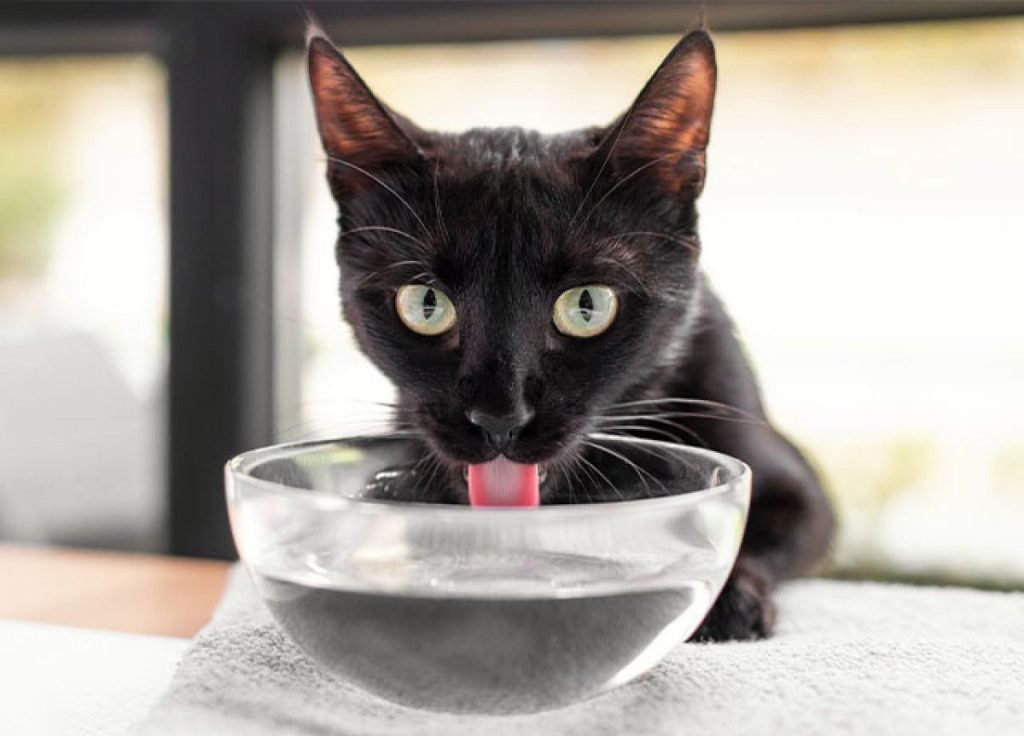
One effective way to elevate your pet’s interest in drinking is to invest in pet water fountains. These fountains provide a continuous flow of fresh water, which is often more enticing than stagnant water in a bowl. Many pets are instinctually attracted to moving water, as they perceive it as cleaner and fresher than still water, thus promoting better hydration practices. Additionally, many models come with filters that enhance the water’s taste and quality, making it even more appealing.
Utilize Flavor Enhancers
Some pets simply refuse to drink enough water because they find it bland. Fortunately, several options exist to make drinking more enjoyable for them. You can try adding pet-safe flavor enhancers, which are available in pet stores or online. These may include chicken, beef, or fish flavors that can entice even the most discerning pets to quench their thirst. Always opt for products specifically designed for pets, ensuring they are free from harmful ingredients.
Incorporate Wet Food into the Diet
Another straightforward method to increase your pet’s water intake is by incorporating wet food into their diet. Canned pet food generally has a high moisture content, significantly contributing to your pet’s overall hydration. If your pet is accustomed to dry kibble, consider mixing or alternating their meals with wet food options. This not only keeps hydration levels up but also adds variety to their diet, making mealtime a more enjoyable experience.
Maintain Clean Water Bowls
A key factor in encouraging hydration is ensuring that your pet has access to clean, fresh water at all times. Regularly cleaning water bowls eliminates any contaminants that may deter your pet from drinking. Consider providing multiple water stations around your home to make it convenient for your pet to hydrate, especially if they tend to gravitate towards different areas throughout the day.
- Check Water Temperature: Some pets prefer cool water. Consider adding ice cubes to their bowl, especially during hot weather.
- Monitor Intake: Use measuring cups to monitor the amount of water your pet drinks daily. This can give you insights into their hydration status.
- Encourage Frequent Breaks: If participating in outdoor activities or exercise with your pet, ensure to offer breaks with access to water, preventing dehydration during physical exertion.
Each of these strategies can help enhance your pet’s hydration levels and, consequently, their overall health. Remember, maintaining adequate hydration is essential for your beloved companion’s well-being, so make it a priority to incorporate these methods into your daily pet care routine.
The Importance of Hydration in Pet Nutrition: Tips to Ensure Your Animal Drinks Enough Water
Understanding the significance of hydration in your pet’s diet is absolutely crucial for their overall health. Just like humans, pets require a sufficient amount of water to maintain their bodily functions effectively. Water aids digestion, regulates body temperature, and flushes out toxins, contributing significantly to their well-being.
One of the critical aspects pet owners often overlook is that pets may not always drink enough water instinctively. Factors such as the type of food, age, and activity level can influence their hydration needs. For instance, pets consuming dry kibble usually need additional water compared to those on wet food diets, which contain higher moisture content.
Implementing strategies to encourage your pet to drink more water can make a significant difference. Here are some tips:
- Provide Multiple Bowls: Place several water bowls around your home to make water readily accessible.
- Fresh Water Daily: Change the water in the bowls daily to keep it fresh and appealing.
- Use Pet Water Fountains: Many pets are attracted to running water, so a pet water fountain can be an excellent investment.
- Mix Water with Food: Consider adding water to dry food or offering wet food to enhance hydration.
- Flavor It Up: Low-sodium broth or flavored water can entice picky drinkers.
Monitoring your pet for signs of dehydration is equally important. Symptoms can include lethargy, dry gums, and loss of elasticity in the skin. Being proactive in ensuring adequate hydration can prevent serious health issues down the line.
| Category 1 | Category 2 |
|---|---|
| Water Accessibility | Ensuring pets have easy access to fresh water at all times. |
| Hydration Monitoring | Regularly check for signs of dehydration in pets to ensure well-being. |
Incorporating these tips into your pet care routine will not only enhance hydration but will also lead to a healthier, more vibrant pet. Explore each strategy and monitor its impact on your furry friend—your awareness and action can lead to significant health benefits.
Monitoring Hydration Levels in Your Pet
As a pet owner, understanding how to monitor your pet’s hydration levels is almost as essential as ensuring they have access to water. Dehydration in pets can lead to serious health issues, including kidney problems and urinary tract infections. Here are some effective methods you can employ to keep a closer eye on your pet’s hydration status:
Recognize the Signs of Dehydration
Being able to recognize dehydration symptoms is crucial. Common signs include lethargy, dry gums, excessive panting, and a loss of skin elasticity. You can perform a simple skin test by gently pulling on the skin between your pet’s shoulders; if it does not return to its normal position quickly, that may indicate dehydration. Additionally, monitor your pet’s drinking behavior—if you notice a significant decrease in water intake, it’s advisable to consult your veterinarian for further evaluation.
Utilize Hydration-Specific Products
In today’s pet market, there’s an array of hydration-specific products designed to support your furry friend’s water intake. Products include electrolyte solutions formulated for pets that can be especially beneficial after strenuous activities or during hot weather. These solutions help replenish lost fluids and electrolytes, similar to sports drinks for humans. Always consult your vet before introducing new products to ensure they are appropriate for your pet’s specific health needs.
Monitor Activity Levels and Weather Conditions
Your pet’s activity level and the surrounding temperature play a vital role in hydration needs. During the summer months or while partaking in vigorous outdoor activities, your pet will require more fluids to stay hydrated. Make it a habit to regularly observe how much your pet is playing and adjust their water intake accordingly. Signs of heat stress include excessive panting and rapid heartbeat, indicating that your pet may need immediate access to water.
Use Water-Intake Monitoring Apps
In this digital age, there are innovative solutions to track your pet’s hydration more efficiently. Utilize water intake monitoring apps designed specifically for pet owners. These apps allow you to log your pet’s daily water consumption, set reminders for hydration breaks, and keep health records, making it easier to spot trends in your pet’s drinking habits over time. Having a comprehensive view of your pet’s hydration status can help you advocate effectively during veterinary visits.
Consult with Your Veterinarian
When in doubt, your veterinarian is your best ally. Regular check-ups not only help monitor your pet’s overall health but can also provide insights into their hydration levels and nutritional needs. Some pets may have underlying health conditions that strategically alter their hydration requirements, which your vet can help identify. Don’t hesitate to bring up any concerns regarding your pet’s water intake during your routine appointments; being proactive can save your pet from potential health issues down the road.
By employing these strategies, you can ensure that your pet remains well-hydrated—a fundamental element in their nutrition and overall well-being. Make hydration a focal point in your pet care routine, as it directly contributes to a healthier, happier life for your beloved companion.
Conclusion: The Vital Role of Hydration in Pet Health
In conclusion, hydration is a cornerstone of optimal pet nutrition and overall well-being. Just as humans require adequate water intake to function at their best, so too do our beloved animals. The impacts of dehydration can be severe, potentially leading to serious health complications such as kidney failure and urinary tract infections. By understanding the fundamentals of pet hydration, recognizing the signs of dehydration, and implementing practical strategies, pet owners can safeguard their furry friends against these risks.
From observing your pet’s drinking habits and utilizing hydration-specific products to leveraging modern technology like water-intake monitoring apps, there are numerous ways to ensure your pet stays properly hydrated. Moreover, consulting with your veterinarian about your pet’s unique hydration needs is paramount, especially considering factors such as age, breed, activity level, and environmental conditions.
Ultimately, making hydration a priority in your pet care routine not only enhances their health but also enriches their quality of life. As you continue your journey through pet ownership, remember that a simple bowl of fresh water is more than just a necessity; it’s an essential part of a happy, vibrant life for your animal companion. Stay informed and proactive about your pet’s hydration needs and help pave the way toward a healthier future for your four-legged friend.