The Importance of Preventive Health in Pets: Vaccines and Regular Check-ups
The Importance of Preventive Health for Pets
As pet owners, we often prioritize the happiness and comfort of our furry friends. However, ensuring their preventive health is just as crucial as spoiling them with treats and toys. From vaccinations to regular check-ups, proactive healthcare can significantly impact your pet’s quality of life. Investing time and resources into preventive measures can yield a lifetime of companionship, joy, and health.
Consider the following reasons why preventive health care is essential:
- Early Detection: Routine veterinary visits can uncover health issues before they become serious. Conditions such as diabetes, kidney disease, and dental problems often go unnoticed until they manifest serious symptoms. For instance, regular blood work can identify kidney dysfunction in its early stages, allowing for timely intervention, dietary adjustments, and medication, ultimately prolonging your pet’s lifespan.
- Vaccination Protection: Immunizations help safeguard against deadly diseases such as rabies, parvovirus, and feline leukemia. In the United States, where outbreaks of diseases can occur, ensuring your pet is vaccinated is not just a personal responsibility; it also protects other animals and the community. For example, rabies is nearly 100% fatal once symptoms appear; thus, vaccination becomes a critical defense for both pets and humans.
- Cost-effectiveness: Preventive care often reduces long-term veterinary costs by avoiding expensive treatments for advanced illnesses. Consider the financial burden of treating conditions that could have been prevented. For example, dental disease can lead to systemic infections and additional health complications, costing pet owners thousands in both procedures and medications. Regular dental cleanings can prevent these issues and save owners from the shock of unexpected expenses.
The culture of pet ownership in the United States reflects a deep commitment to animal welfare. According to the American Pet Products Association (APPA), approximately 70% of U.S. households own a pet, emphasizing the need for awareness about their health. Understanding the significance of preventive health allows owners to make informed decisions that will impact their pets’ well-being. The impact of a single vaccine or a timely check-up can be life-changing, setting the foundation for a longer, healthier life alongside your beloved companion.
In this article, we will delve deeper into the world of preventive health practices for pets, exploring the vital role vaccines and regular check-ups play in maintaining their well-being. We will also discuss nutrition, exercise, and the importance of mental stimulation in contributing to the overall health of our pets. By enriching our understanding of these aspects, we not only empower ourselves as responsible owners but also ensure that our cherished companions lead vibrant and fulfilling lives.
Vaccines: The First Line of Defense
Vaccination is one of the cornerstones of preventive health for pets. Vaccines are designed to protect animals from serious and preventable diseases, many of which can be life-threatening. The concept of herd immunity, well known from human health discussions, applies to pets as well. When a significant number of pets are vaccinated, it helps to reduce the risk of disease spread within communities, protecting those animals that may not be able to be vaccinated due to health reasons.
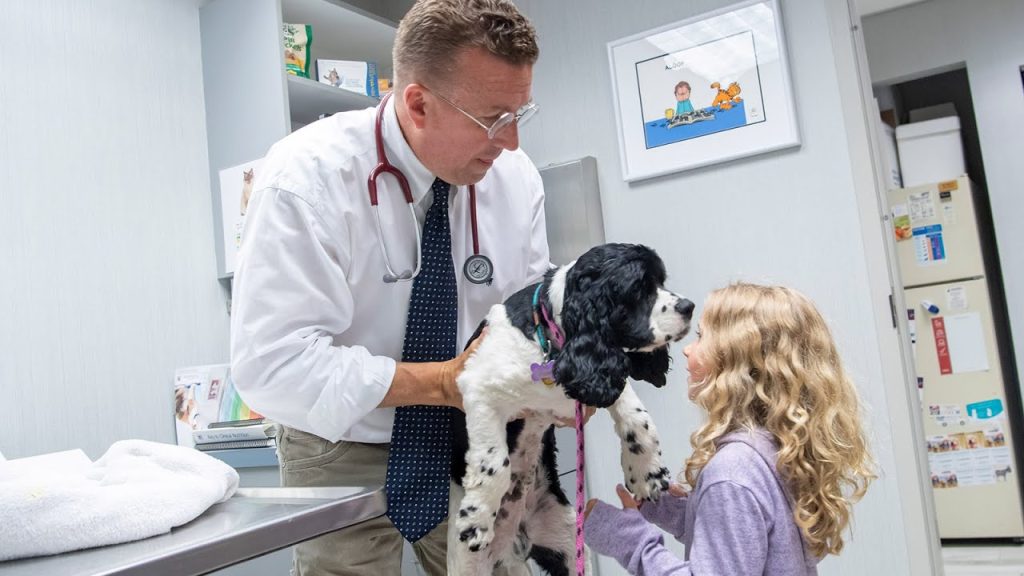
There are two primary categories of vaccines: core and non-core. Core vaccines are essential for all pets, while non-core vaccines may be recommended based on an individual pet’s lifestyle and risk of exposure. Core vaccines for dogs typically include rabies, distemper, adenovirus, and parvovirus, while cats commonly receive rabies, feline viral rhinotracheitis, calicivirus, and panleukopenia. Understanding the distinction between these types of vaccinations is crucial for pet owners in determining the appropriate vaccination schedule for their furry companions.
Pet owners should consult with their veterinarians to establish a vaccination plan tailored to their pet’s health needs, age, and lifestyle. Factors including exposure to other animals, geographic location, and specific risks associated with certain breeds can all influence the recommended vaccination schedule.
Regular Check-ups: Monitoring Health Over Time
The role of regular veterinary check-ups cannot be overstated when discussing preventive health. Just as humans benefit from annual physicals, pets need similar evaluations to ensure their ongoing health. During these visits, veterinarians can conduct comprehensive examinations, which often include:
- Physical examinations: Checking vital signs and inspecting the body for any abnormalities.
- Laboratory tests: Bloodwork, urinalysis, and fecal tests can help detect underlying health issues.
- Dental evaluations: Oral health is critical, as many pets suffer from dental disease, which can lead to more severe health complications if not addressed.
- Weight assessments: Maintaining a healthy weight is vital for preventing obesity-related issues such as diabetes and joint problems.
Regular check-ups serve not only as a means to catch potential health issues early but also provide pet owners with guidance on nutrition, exercise, and lifestyle adjustments that can benefit their pets. The veterinarian can suggest appropriate dietary plans and exercise regimens tailored to the pet’s age, breed, and individual health considerations. Such personalized advice can lead to improved overall well-being and a longer, happier life.
In summary, understanding and prioritizing preventive health practices such as vaccinations and regular veterinary check-ups is essential for pet owners. The culmination of these efforts not only safeguards against diseases but also fosters a proactive approach to maintaining your pet’s health. By investing in preventive care, owners lay the groundwork for a healthy future, enriched by the love and companionship of their pets for years to come.
Vaccines play a crucial role in safeguarding your pet’s health and preventing the spread of infectious diseases. For instance, vaccines for diseases such as rabies, parvovirus, and distemper not only protect individual pets but also contribute to community health by decreasing the overall prevalence of these illnesses. Regular vaccinations help maintain a pet’s immunity and can significantly reduce the healthcare costs associated with treating severe illnesses that could have been preventable.In addition to vaccinations, regular veterinary check-ups are essential components of preventive health care. During these visits, veterinarians can detect early signs of health issues that pet owners might overlook, such as dental disease, obesity, and skin conditions. Early detection can lead to more effective treatments and better outcomes. For instance, dental problems, if caught early, can often be managed with basic cleaning, whereas neglect could result in more complex and costly interventions later on.Furthermore, these regular visits provide an opportunity for pet owners to discuss dietary needs, behavioral concerns, and any necessary lifestyle adjustments based on the pet’s age and health status. Some vets recommend wellness plans that include scheduled check-ups and vaccinations, making it easier for pet owners to stay on track with their pets’ health needs.Another important factor is the emotional bond between pets and their owners. When pets receive consistent preventive care, they are less likely to experience sickness and distress, resulting in a happier and healthier companionship. This commitment to routine check-ups and vaccinations lays the groundwork for a long and fulfilling life for our furry friends.Understanding the importance of preventive health measures can lead to a deeper relationship with our pets and ensure that they not only live longer lives but also enjoy higher quality through all life stages. The proactive approach to veterinary care helps pet owners become better advocates for their pet’s health, ensuring that these beloved members of our families thrive.
The Role of Pet Owners in Preventive Care
While vaccines and regular check-ups are crucial components of preventive health, the involvement of pet owners plays a defining role in their pets’ overall well-being. Vigilance and engagement in your pet’s health journey are vital. This can encompass everything from understanding behavioral changes to recognizing symptoms that could indicate health issues, such as changes in appetite, lethargy, or unusual grooming habits. Pet owners who actively monitor their pets are often the first line of defense in detecting potential health problems early.
Moreover, pet owners should educate themselves about common breed-specific health issues. For instance, certain dog breeds, such as Bulldogs and Great Danes, may be predisposed to specific conditions like hip dysplasia or respiratory problems. Knowing these risks allows owners to be proactive and work closely with their veterinarians to mitigate potential issues through customized care and routine screenings.
The Impact of Nutrition and Lifestyle Choices
Beyond vaccinations and veterinary visits, a pet’s nutrition and daily activities significantly influence their long-term health. A well-balanced diet tailored to a pet’s specific needs can help prevent health issues such as obesity, diabetes, and gastrointestinal disorders. The American Kennel Club emphasizes the importance of choosing high-quality pet food that provides complete nutrition. Pet owners should consult their veterinarians for recommendations based on their pet’s age, breed, and lifestyle.
Additionally, exercise should not be overlooked. Regular physical activity aids in maintaining a healthy weight and can reduce behavior problems. Activities like daily walks, playtime, or even dog sports can enrich a pet’s life while providing the necessary physical exertion. Owners should incorporate fun and stimulating activities into their pets’ routines to keep them engaged and mentally active.
- Behavioral Training: Engaging in training sessions can profoundly impact behavior and mental health, reinforcing positive behaviors and improving the human-animal bond.
- Socialization: Taking pets to parks or doggy daycare can help them develop social skills, decreasing anxiety and behavioral issues.
- Environmental Enrichment: Providing toys, puzzles, and safe spaces for exploration can stimulate and entertain pets, contributing to happier, healthier lives.
Common Preventive Measures: Beyond the Basics
A robust preventive health regime extends beyond vaccinations and check-ups. Pet owners can consider additional preventive measures such as:
- Parasite Control: Regular treatments to prevent fleas, ticks, and worms are crucial, as these parasites can lead to severe health complications if left untreated.
- Dental Care: Home dental care, including brushing and dental treats, can prevent periodontal diseases and other serious health concerns.
- Spaying/Neutering: This not only helps control the pet population but can also reduce the risk of certain cancers and behavioral problems.
Understanding these aspects of preventive health equips pet owners with the knowledge needed to make informed decisions about their pets’ care. The investment in preventive health practices fosters a long, healthy, and fulfilling life for pets, ultimately enhancing the bond between they and their human companions. Through diligent effort, both on the part of veterinarians and pet owners, we can create a healthier, happier future for our beloved animals.
Conclusion: Prioritizing Preventive Health for Our Pets
In summary, the significance of preventive health in pets cannot be overstated. Regular veterinary check-ups and timely vaccinations serve as the cornerstone for maintaining our furry friends’ overall health and longevity. By investing in these essential measures, pet owners take proactive steps to safeguard their pets against a myriad of preventable diseases that can lead to serious health issues.
Moreover, the role of pet owners extends beyond routine visits to the veterinarian. Understanding the unique needs of their pets, recognizing early signs of illness, and making informed nutrition and lifestyle choices significantly influence their well-being. Embracing regular dental care, parasite prevention, and behavioral training not only fosters a healthier and happier pet but also deepens the bond shared between owner and companion.
As we move forward in our journey with our beloved animals, it is vital to remember that preventive health is a shared responsibility between pet owners and veterinary professionals. Together, we can cultivate a future where pets live fulfilling, enriched lives. By remaining vigilant and committed to preventive care, we empower ourselves to make a lasting impact on our pets’ health and happiness. Therefore, let us embrace the importance of preventive health and ensure our furry friends receive the best possible care, today and always.