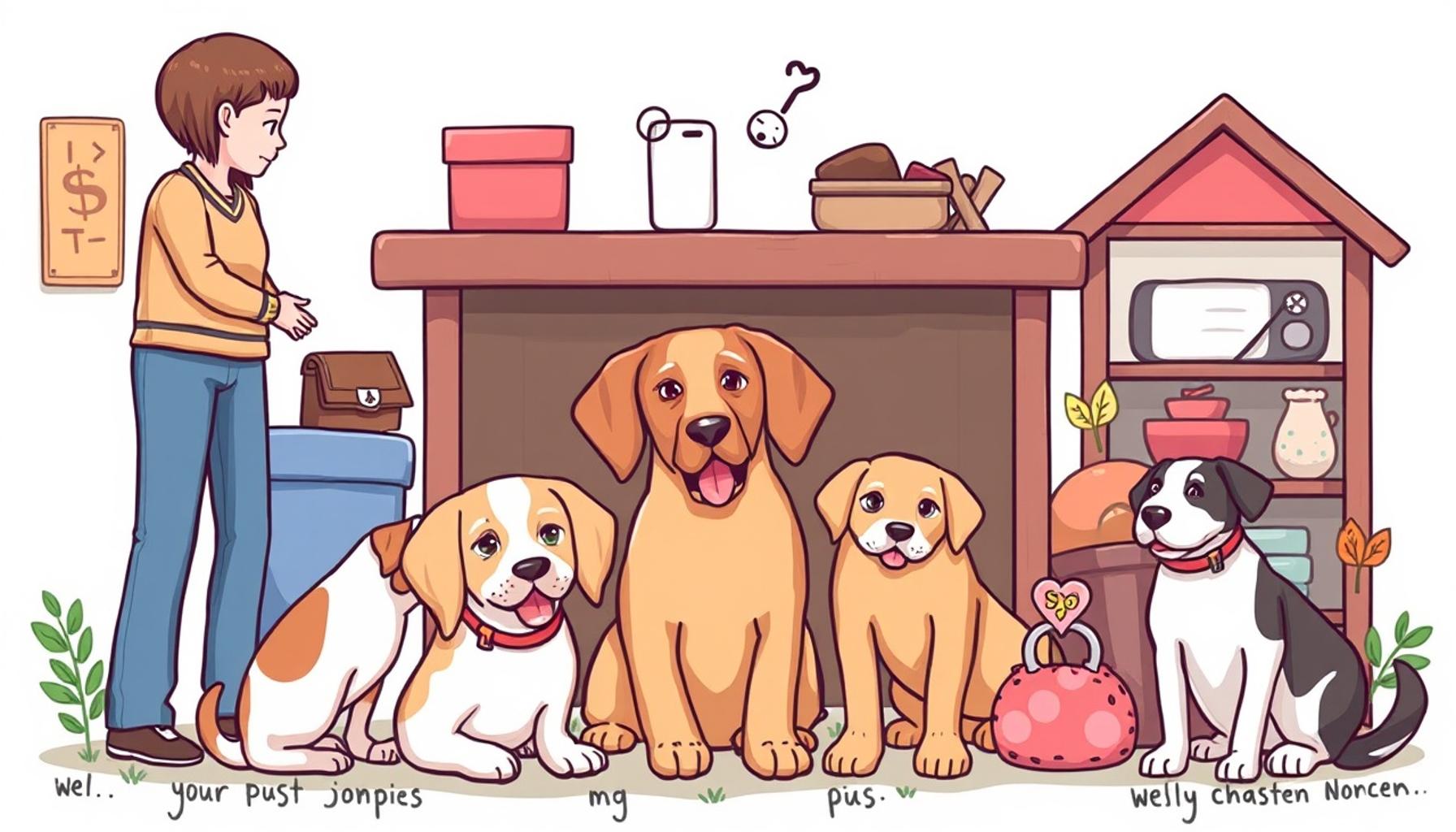
The Role of Community Support in Facilitating Successful Pet Adoptions

The Role of Community Support in Pet Adoption
Every year, millions of pets find new homes across the United States, but the journey to adoption is anything but simple. Community support plays a crucial role in making these transitions successful and fostering long-lasting bonds between pets and their new families. The collaboration of local organizations, volunteers, and concerned citizens creates an environment where every adoption story can thrive. The fostering of positive relationships and networks not only benefits the pets but also enhances the experience for their adoptive families.
Education and Awareness
One of the fundamental aspects of community support is education and awareness. Campaigns that inform potential adopters about responsible pet ownership ensure that decisions made are informed and thoughtful. For example, local shelters may host workshops on the specific needs of certain breeds, the importance of spaying and neutering, and the long-term commitments involved in pet care. By educating the public, organizations like the ASPCA or local humane societies enhance the likelihood that adopters will understand and commit to caring for their new furry friends for life.
Networking Opportunities
Networking opportunities serve as an essential platform for shelters and rescues to connect with potential adopters. Local fairs and community events can showcase animals available for adoption, allowing people to interact with pets in a relaxed setting. Events like “Bark in the Park” or the “Adopt-a-Pet Day” hosted in city parks introduce animals from shelters to the public and remove barriers to initial contact. Such events not only highlight adoptable pets but also create community camaraderie and foster a culture of sharing information about responsible pet ownership.
Resource Sharing
Communities often unite to offer resource sharing, making various pet-related resources accessible to all residents. This includes providing low-cost veterinary services, training classes, and even financial assistance programs for pet care. Initiatives such as mobile vaccination clinics or community fundraisers can significantly reduce the barriers to pet ownership, making it more feasible for families to adopt pets without the fear of excessive costs.
The Impact of Community Engagement
A vibrant pet adoption ecosystem relies heavily on the synergy between individuals and organizations. As grassroots efforts to promote shelter animals gain momentum, community engagement leads to several important outcomes. One such result is increased responsiveness; with community involvement, shelters can better assess the needs of both animals and potential adopters, tailoring their services accordingly.
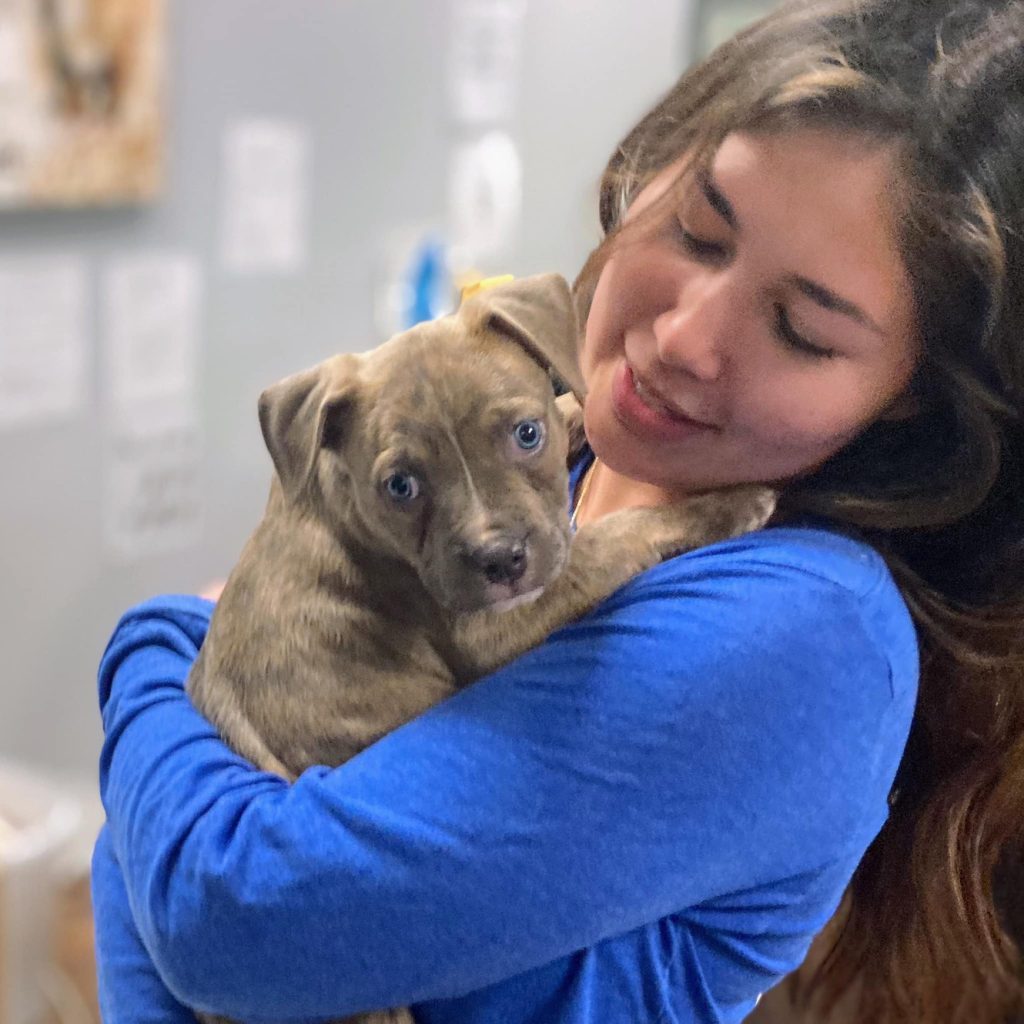
Furthermore, local groups often create support networks that new pet owners can rely on for advice, companionship, and resources during the initial adjustment period. The presence of experienced pet owners sharing their stories can provide guidance on everything from training to health care, thus ensuring that pets and their new families navigate their journey together smoothly.
Lastly, the power of empathy building through positive adoption stories shared within the community fosters a culture of compassion and responsibility. Such narratives, whether spread through social media, local news, or community newsletters, inspire others to consider pet adoption themselves, expanding the reach and effectiveness of these initiatives.
In understanding the critical elements of community support in pet adoption, we can enhance the success rates for countless deserving animals. Through education, networking, and resource sharing, communities can transform the landscape of pet adoption, ensuring that every pet has a loving home. Join us as we explore the profound impact these efforts have on both pets and their new families in our ongoing commitment to enhancing the adoption experience.
Community-Based Initiatives
Community-based initiatives play a pivotal role in enhancing pet adoption efforts. Organizations, shelters, and rescue groups collaborate with local businesses, civic groups, and individuals to create programs that encourage adoptions and provide support for both pets and their new families. Such initiatives often focus on addressing specific community needs and promoting responsible pet ownership.
Many cities across the United States have seen significant progress where they establish community partnerships aimed at reducing the number of pets in shelters. For example, cities like Austin, Texas, have initiated collaborative efforts among local shelters, veterinary clinics, and community organizations. These partnerships work together to provide low-cost spay/neuter surgeries and vaccination clinics, ensuring pets are healthy and spayed or neutered before they are adopted. This not only reduces the number of homeless animals but also fosters an understanding of responsible pet ownership.
Fostering a Culture of Adoption
A vibrant pet adoption culture hinges on how well a community supports its shelters and rescues. Fostering a culture of adoption means promoting a mindset in which pets are considered valued family members. Events such as “pet fairs” and “Paw-some Adoption Days” are instrumental in bringing attention to the plight of homeless animals while simultaneously educating potential adopters about the rewards of pet ownership. These gatherings allow community members to see the animals up close, encouraging emotional connections that are vital to adoption success.
Moreover, testimonials from happy pet owners sharing their success stories become part of a community’s narrative. Individuals who have adopted animals often become informal ambassadors, spreading the message of love and companionship that comes with pet ownership. Social media platforms play an essential role in amplifying these messages, allowing rescued animals to share their stories with a wider audience.
Volunteering and Adoption Support
Volunteering is another critical element of community support in pet adoption. Local volunteers not only help care for shelter animals, but they also assist with fostering, transporting, and socializing pets, making them more adoptable. Dedicated volunteers come from various walks of life and bring diverse skill sets, particularly in communication, organizing, and public relations, to support animal shelters.
- Building foster networks that offer temporary homes while pets await adoption.
- Creating volunteer-driven marketing campaigns that highlight adoptable pets.
- Hosting pet training classes that help new owners bond effectively with their furry friends.
Additionally, strong community support networks provide ongoing assistance for new pet owners. Whether through follow-up training tips, inviting pet owners to group events, or organizing online forums for questions, these support systems ensure that adopters feel confident navigating the challenges of pet ownership.
Recognizing the immeasurable benefits that community support brings to successful pet adoptions emphasizes the need for collaboration and active participation. By establishing robust resources and programs, communities can ensure that every pet poised for adoption finds a loving and supportive home.
The Role of Community Support in Facilitating Successful Pet Adoptions
Effective pet adoption is not merely a process; it is a community-driven endeavor that thrives on support, awareness, and shared resources. When local communities come together, they create an environment that not only enhances the adoption process but also ensures lasting success for adopted pets.
One of the most significant aspects of community support is fostering awareness about the importance of pet adoption. Local shelters, rescue organizations, and community centers can collaborate to host events, workshops, and campaigns that highlight the benefits of adopting pets rather than purchasing them. By spreading information and showcasing the animals available for adoption, these community initiatives directly increase visibility, facilitating more adoptions.
Furthermore, community support can provide essential resources for new pet owners. From education on proper pet care to financial assistance programs that help cover medical expenses, community networks address potential barriers that might prevent someone from adopting a pet. For instance, partnered veterinary clinics may offer discounted services to adopters, making pet ownership more feasible.
Additionally, social media platforms serve as powerful tools for community engagement. By sharing stories of successful adoptions, fostering connections among pet lovers, and promoting adoptable pets, communities utilize these platforms to build a supportive ecosystem that encourages adoption.
By promoting a shared vision of responsible pet ownership and cultivating emotional connections among community members, the significant role of community support is undeniably a catalyst for successful pet adoptions.
| Category | Key Features |
|---|---|
| Community Engagement | Hosting events and awareness campaigns to promote pet adoption. |
| Support Systems | Providing resources such as veterinary assistance and care education. |
These elements collectively illustrate the indispensable role that community support plays in facilitating successful pet adoptions and ensuring that adopted animals find loving homes.
Creating Awareness Through Education
Education is a fundamental aspect of community support in pet adoption, as it fosters informed decision-making among potential adopters. Communities can implement educational programs that provide essential knowledge about pet care, behavior, and the responsibilities that come with pet ownership. Workshops, seminars, and school programs geared towards children and families can increase awareness of the importance of adopting pets from shelters. Engaging with local schools allows communities to plant the seeds of compassion and understanding for animals early in life.
In addition, community-led events such as “Pet Parenting 101” can demystify common misconceptions about adopting shelter pets. These gatherings can feature experienced speakers, including veterinarians, animal behaviorists, and seasoned pet owners who can address concerns and provide practical tips. By equipping community members with the information they need, these educational initiatives empower potential adopters to make well-informed choices, ultimately leading to more successful adoptions and re-homed pets.
Innovative Digital Campaigns
In our increasingly digital world, online engagement is an evolving aspect of community support for pet adoption. Social media platforms serve as powerful tools for shelters and organizations to connect with potential adopters. By creating captivating content, such as videos showcasing the personalities of adoptable pets or virtual tours of shelter facilities, organizations can improve visibility, outreach, and interest in adoptions.
Communities can take advantage of digital campaigns like “Adopt a Pet Month” or “Pet of the Week” spotlighting unique stories—complete with engaging images and updates on the pets’ journeys. Using targeted hashtags like #AdoptDontShop can facilitate engagement and spread awareness about available pets in local shelters, encouraging broader participation and support. Research indicates that over 90% of pet adoptions today are influenced by social media, highlighting its pivotal role in fostering meaningful connections between pets and adopters.
The Impact of Local Businesses
Local businesses can also contribute significantly to supporting pet adoption initiatives. By forming partnerships with animal shelters and rescue organizations, they can promote adoption events, provide sponsorships, and even host meet-and-greet events within their establishments. Pet supply stores, cafes that allow pets, and parks can become centers for community engagement, drawing both animal lovers and potential adopters together.
- Participating in charity events where a portion of sales goes towards local shelters.
- Offering loyalty programs or discounts for customers who adopt pets.
- Hosting “Yappy Hours” or similar events that spotlight adoptable pets in a fun, relaxed atmosphere.
These collaborations not only raise awareness but also highlight the community’s collective commitment to animal welfare. When local businesses take an active role, the message that adopting a pet is a valued community endeavor spreads, encouraging more families to consider adoption over purchasing pets from breeders or pet stores.
As communities come together to support and facilitate successful pet adoptions, the ripple effect can be profound. With each initiative and connection made—from education to digital campaigns and local businesses—communities enhance the likelihood of finding loving homes for shelter animals while embracing a spirit of compassion and responsibility towards pet ownership.
Conclusion
In conclusion, community support plays an essential role in facilitating successful pet adoptions, weaving together various threads of awareness, education, and engagement. By harnessing the collective power of community members, local organizations, and businesses, successful adoption rates can significantly increase, thereby reducing the number of animals languishing in shelters. Educational initiatives empower potential adopters with the knowledge they need to make informed choices about pet care, while innovative digital campaigns create engaging platforms for sharing stories of hope and love among shelter animals.
Moreover, when local businesses actively participate in promoting pet adoption, they not only enhance their community reputation but also solidify a culture of compassion and responsibility towards animal welfare. Through events and partnerships, businesses can draw attention to adoption efforts, making them an integral part of the community fabric.
Ultimately, a community that rallies around the cause of pet adoption fosters a deeper understanding of the responsibilities involved in pet ownership. As potential adopters recognize the significant role they play in providing loving homes, the momentum of support can lead to a brighter future for countless animals. By continuing to innovate, educate, and engage on both local and digital platforms, we can ensure that every pet finds their forever home, highlighting that together, we can make a substantial difference in the lives of pets in need.