The Role of Home Visits in the Pet Adoption Process: What to Expect
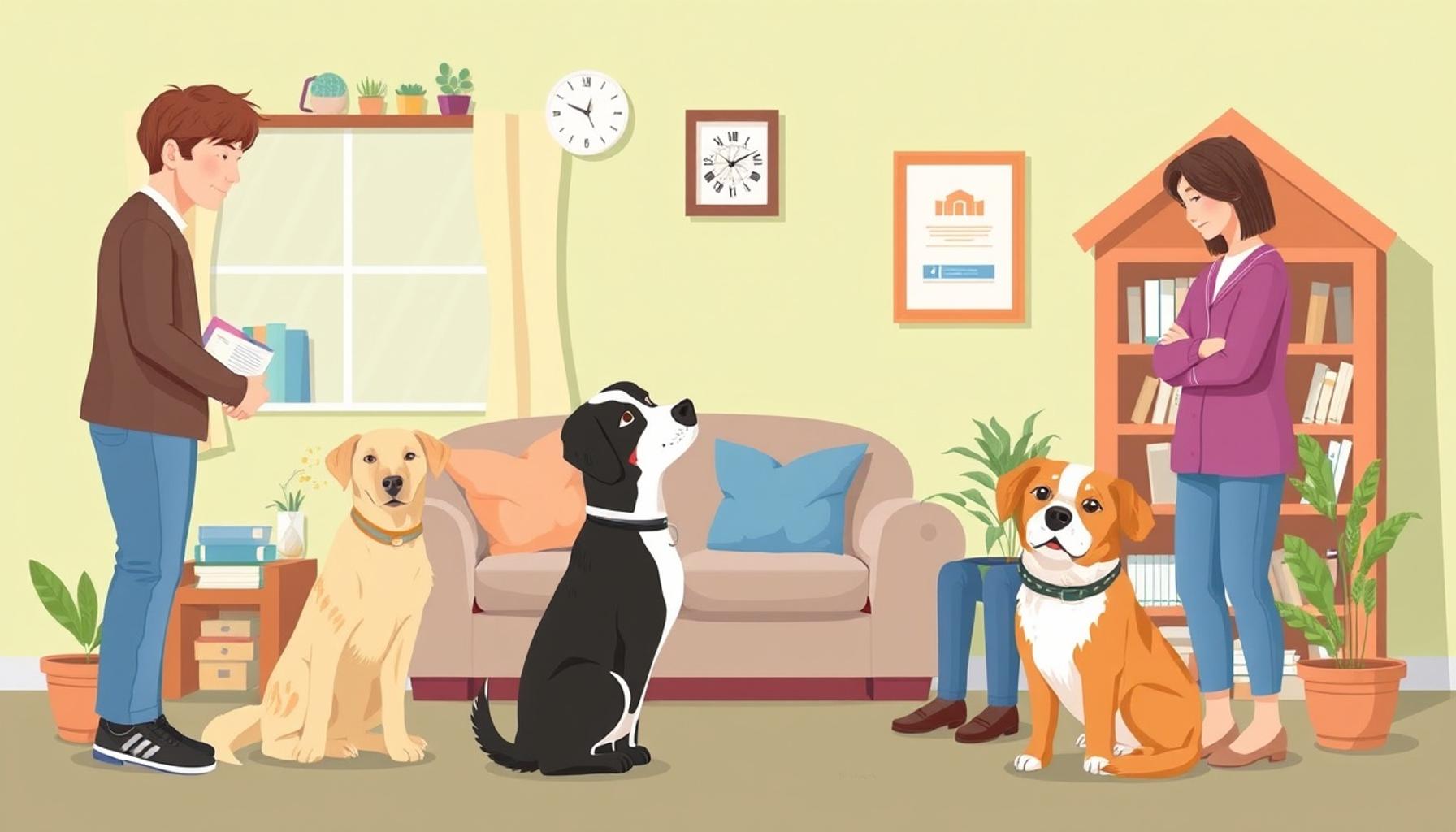
The Importance of Home Visits in Pet Adoption
The journey to bringing a new pet into your home is a joyful and often exciting experience. However, it involves more than just selecting a dog, cat, or other furry friends from a shelter. Home visits play a crucial role in ensuring that these pets find safe, nurturing, and appropriate environments. These assessments aid adoption agencies in determining whether a potential adoptive family can meet the emotional and physical needs of the pet.
During a home visit, several key evaluations occur, each designed with the animal’s well-being in mind. Here’s what you can anticipate:
- Safety Checks: Inspectors will look for hazards in your home that could pose risks to a pet. This includes checking for toxic plants (like lilies or sago palms), exposed electrical wires, or even small objects that could be ingested. Understanding these risks can be crucial in ensuring a safe habitat for a new pet.
- Space Evaluation: The inspector will assess whether your living area is suitable for the specific animal you wish to adopt. For instance, larger dog breeds typically require more space and room to exercise, while smaller pets may thrive in compact environments. Adequate outdoor access is equally important for exercise and play.
- Interviewing Potential Owners: This part of the visit involves an open dialogue about your lifestyle, daily routine, and expectations regarding pet care. Questions may range from how much time you can commit to exercising and training the pet, to any previous pet ownership experience. This conversation helps the agency evaluate if you are well-suited to care for the particular type of pet you are considering.
These visits are far from mere formalities; they are essential for a pet’s future well-being. By carefully matching animals with responsible owners, adoption agencies can significantly reduce the likelihood of return rates, a common issue in animal adoption that can lead to further stress and trauma for both the pet and the owner.
What happens during these evaluations is important for potential adopters to understand. A comprehensive awareness prepares you for the process, allowing for a more informed decision. Moreover, successful home visits create a stronger bond between adoptive families and their new pets, contributing positively to the pet’s transition into a loving home.
In the sections that follow, we will delve deeper into the specific procedures involved in home visits, what suitable adopters should prepare beforehand, and how these evaluations can transform the pet adoption experience into a positive adventure.

Understanding the Home Visit Process
When you embark on the journey of pet adoption, understanding the intricacies of the home visit process can significantly enhance both your preparation and expectations. This evaluation is not merely a procedural step; it is a fundamental aspect of ensuring a harmonious match between you and your future pet. As adoption agencies seek to guarantee the welfare of animals in their care, potential adopters should know the various elements involved in these assessments.
First and foremost, the home visit is designed to build a comprehensive picture of your living situation and to gauge your readiness for pet ownership. Here are some pivotal elements to expect during the process:
- Health Risks Assessment: Aside from checking for safety hazards, inspectors often evaluate your home’s overall hygiene and health risks. They may look for possible allergenic triggers or sources of contamination that could affect both your health and that of the pet. Ensuring a clean and safe environment aligns with fostering a healthy bond.
- Pet Supplies and Facilities: An inspector will likely inquire about the necessary supplies you have or plan to acquire prior to bringing your new pet home. This includes food and water bowls, bedding, toys, and training materials. Providing adequate resources demonstrates preparedness and a commitment to responsible pet ownership.
- Family Dynamics Review: Inspectors may observe the family environment, paying particular attention to children and other pets in the household. Understanding how well the dynamics within a home support the needs of a new pet can help adoption agencies place animals in suitable settings. Families with kids, for instance, might be assessed for the ability to teach proper interaction methods with pets.
Moreover, organizations typically encourage potential adopters to actively participate in discussions about their thoughts on pet care philosophies, training techniques, and long-term commitment. An open and honest dialogue can highlight your suitability for adopting a specific animal and foster a sense of trust between you and the organization.
The insights gained from these evaluations are invaluable. According to studies, around 30% of pets adopted from shelters end up being returned within the first year, often due to mismatched expectations or insufficient preparation. By ensuring the reality of your home aligns with the needs of the animals, fewer pets will experience this disruption. Adoption agencies want to place pets in loving, permanent homes rather than temporary situations, and thorough home visits serve as the first line of defense against future abandonment.
Understanding the home visit process offers an opportunity for growth and education—for potential adopters and agencies alike. Through open communication and proactive engagement, you can better prepare for welcoming a furry companion. As we delve further into this topic, we will explore how to prepare for a home visit and what the experience can teach you about responsible pet ownership.
The Role of Home Visits in the Pet Adoption Process: What to Expect
Home visits are a central component of many pet adoption processes. They serve multiple crucial functions, ensuring not only the welfare of the pet but also that prospective adopters are well-prepared to welcome a new animal companion into their homes. During a home visit, potential adopters can expect to engage in a detailed discussion about their lifestyle, including daily routines, work schedules, and plans for integrating a pet into their living environment.The main objective of these visits is to evaluate the home’s suitability for the specific needs of the animal. For instance, some pets require larger spaces to thrive, while others may be more adaptable to smaller living arrangements. Moreover, the presence of young children or other pets in the household can also influence adoption suitability. Adoption agencies often utilize this opportunity to educate potential pet owners about the specific requirements of their selected animal, emphasizing aspects such as exercise routines, grooming needs, and dietary preferences.Additionally, home visits build a rapport between the adoption agency and the prospective owners. This connection fosters a support system that extends beyond the initial adoption phase. The visiting representative can provide resources, tips for pet care, and suggestions for training, ensuring the transition into pet ownership is as smooth as possible. By laying this foundation, agencies increase the likelihood of successful adoptions and help reduce the chances of return due to unforeseen challenges.As prospective adopters prepare for a home visit, they should approach the experience with openness and a willingness to learn. It’s a valuable chance not only to showcase their readiness for pet ownership but also to gather insights that will ultimately result in a happier, healthier environment for both the pet and the owner.
Preparing for Your Home Visit
As you navigate the pet adoption process, one of the most crucial steps is preparing for the home visit. This evaluation not only assesses your readiness to welcome a new pet but also serves as a platform for dialogue between you and the adoption agency. Understanding how to effectively prepare can contribute significantly to a successful evaluation and ensure an optimal match between you and your future four-legged companion.
First Impressions Matter: Before the visit, take a moment to tidy your living space. A clean and organized home reflects your commitment to maintaining a safe and welcoming environment for a pet. While inspectors will be understanding, showcasing a well-kept area is an opportunity to display your responsibility and attention to detail. Consider decluttering spaces particularly where a pet will reside and ensuring that any potential hazards are addressed, such as removing choking hazards or securing toxic substances.
Gather Essential Supplies: Having pet supplies prepared ahead of time speaks volumes about your seriousness in adopting an animal. Consider purchasing or at least planning to acquire essential items such as food and water bowls, leashes, a comfortable bed, and appropriate toys. Demonstrating an understanding of what a pet requires on a daily basis not only reflects well on you as a potential adopter but also reinforces your willingness to provide a loving environment.
Educate Your Family: If you have children or other pets, it’s essential to involve them in the preparation process. Educate them about the responsibility and care a new pet entails. Discuss appropriate behavior around animals and how to establish healthy boundaries. This not only prepares your household for the new addition but also assures inspectors that everyone is on the same page regarding pet safety protocols.
The home visit is also an opportunity for candidates to exhibit their commitment to pet ownership through a few thoughtful conversations. Be prepared to discuss your expectations in terms of training and integration. What is your approach to discipline, and how do you plan to socialize your new pet? These aspects illustrate to adoption agencies your awareness of the complexities that come with animal care.
Listening to Feedback: During the home visit, inspectors will likely provide insights or suggestions based on their observations. It is crucial to remain open and receptive to their feedback. They may recommend changes or provide resources for training, and this advice can greatly benefit you and ensure a smooth transition for your new pet. Engaging in a constructive dialogue can lead to a stronger relationship with the adoption agency, fostering collaboration in finding the right match for both you and the animal.
Understanding what to expect during the home visit is not merely about complying with guidelines; it opens the door to a deeper understanding of pet ownership. The knowledge and insights gained during this stage can create a lasting impact, fostering an environment where both pets and humans can thrive together. Ultimately, a successful home visit sets the stage for a fulfilling pet adoption journey, contributing to lasting relationships between pets and their new families.
Conclusion: The Importance of Home Visits in Pet Adoption
In the realm of pet adoption, home visits serve as a vital component that facilitates not only an effective evaluation of potential adopters but also helps ensure a harmonious match between pets and their new families. These visits are not merely inspections but opportunities for open dialogue, education, and a deeper understanding of the responsibilities that accompany pet ownership.
Preparing adequately for a home visit encapsulates several aspects—from maintaining a tidy space to fostering family discussions about pet care. These steps reflect your commitment to providing a safe and loving environment for a new animal companion. Adoption agencies value this preparation as it highlights your seriousness about the responsibilities that lie ahead.
Moreover, the insights and feedback shared during the home visit pave the way for valuable resources and recommendations tailored to your specific circumstances. By remaining receptive to these suggestions, you can enhance your readiness for the challenges and joys of welcoming a pet into your household.
Ultimately, understanding what to expect from a home visit demystifies the adoption process and equips you with the knowledge necessary for successful pet integration. As you embark on this rewarding journey, remember that a well-executed home visit lays the foundation for a lifelong partnership between you and your future furry friend. By prioritizing communication, preparation, and a willingness to learn, you’re not just adopting a pet; you’re building a loving home where both humans and animals can flourish together.