The Role of Oral Health in the Quality of Life of Pets

Understanding the Importance of Oral Health in Pets
Many pet owners may not realize how crucial oral health is to their furry companions. Just like humans, pets can experience a range of dental issues that can affect their overall well-being. Poor oral hygiene can lead to serious health problems, significantly impacting their quality of life. It’s essential to understand that a pet’s mouth is a gateway to their entire system. If it’s not kept healthy, it can lead to a cascade of additional issues.
Consider the following potential consequences of neglecting your pet’s oral health:
- Periodontal disease: This is one of the most common dental problems in pets, especially in dogs and cats. Left untreated, it can cause severe pain, inflammation, and even lead to bone loss around the teeth, which ultimately affects your pet’s ability to eat and enjoy their food.
- Tooth loss: Similar to humans, pets can experience tooth decay and loss. Losing teeth not only affects their nutritional intake, making it difficult for them to chew and enjoy their food but can also lead to behavioral changes due to pain and discomfort.
- Systemic infections: Bacteria from the mouth can enter the bloodstream through damaged gums, posing a serious risk to your pet’s heart, liver, and kidneys. For instance, endocarditis, an infection of the heart lining, can occur in pets with periodontal disease, showcasing the systemic risks associated with poor dental care.
Investing time in your pet’s dental care can lead to noticeable improvements in their health and happiness. Regular dental check-ups and cleanings can:
- Enhance your pet’s quality of life: Healthier mouths contribute to happier lives. When pets are free from pain and discomfort brought on by dental problems, they are more likely to engage in playful behavior and enjoy activities.
- Reduce vet bills: Preventive care can save money in the long run. It’s far more affordable to maintain oral health through regular cleanings than to treat advanced dental diseases, which can require surgery and extensive care.
- Increase longevity: Good oral health is linked to a longer lifespan. Research has shown that pets with healthy teeth tend to live longer, as the reduction of systemic illness contributes significantly to their overall health.
Understanding the significance of your pet’s dental health is the first step in ensuring they live a happy, healthy life. Many veterinarians recommend starting dental care from a young age, introducing your pet to tooth brushing and providing dental chews or toys designed to promote dental hygiene. By staying informed and proactive, you can help your beloved pet maintain optimal oral health and enjoy a better quality of life.
Moreover, incorporating specific products – such as dental diets or treats that have the Veterinary Oral Health Council (VOHC) Seal of Acceptance – can further enhance your pet’s oral care routine. By prioritizing your pet’s dental health, not only do you contribute to their well-being, but you also strengthen the bond you share with your furry companion by ensuring they feel their best every day.
The Connection Between Oral Health and Overall Well-Being
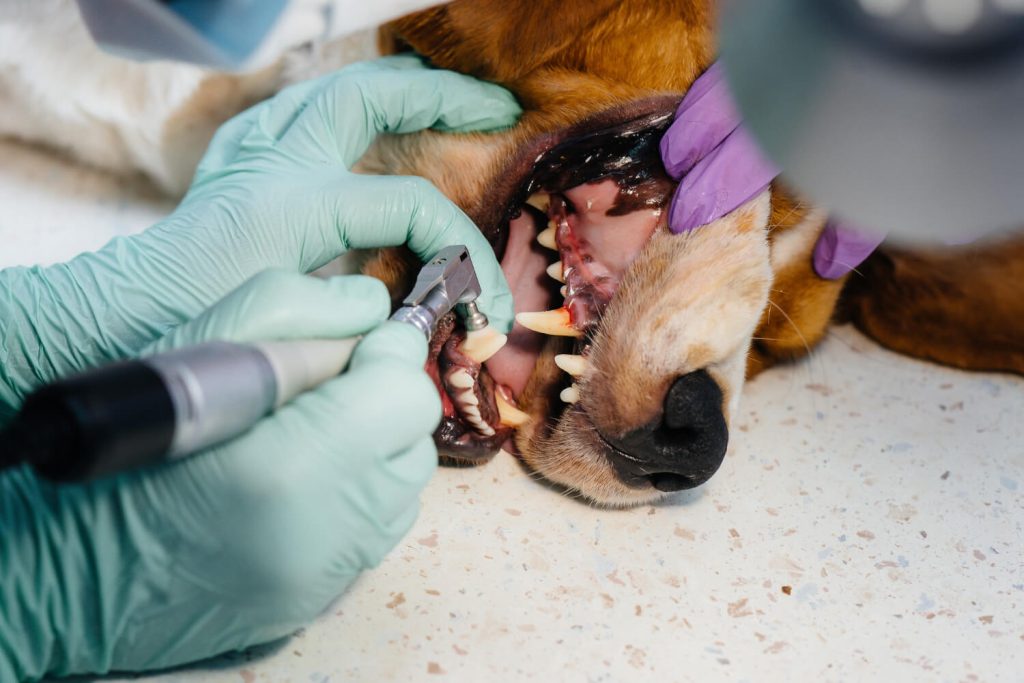
Maintaining good oral health in pets is not merely a cosmetic concern; it plays a fundamental role in their overall well-being and quality of life. Just like in humans, a healthy mouth is essential for a healthy body. Studies have shown that pets with optimal dental hygiene exhibit fewer signs of stress and discomfort, leading to happier and more active lives. When a pet is suffering from dental issues, it often manifests in behavioral changes that pet owners may misinterpret as general moodiness or aging. Understanding the impact of oral health on your pet’s quality of life is paramount.
The repercussions of ignoring dental care extend beyond bad breath and visibly decayed teeth. Over fifty percent of pets face some form of dental disease by the age of three, presenting an alarming statistic for pet owners. Untreated dental problems can result in a range of complications, affecting not just oral hygiene but overall health. Below are some key areas in which poor oral health can influence a pet’s quality of life:
- Pain and Discomfort: Conditions like periodontal disease can lead to significant pain, making it difficult for pets to eat, chew their favorite toys, or even engage in play. A worsening dental condition can lead not only to physical pain but can also cause psychological stress, leading pets to withdraw and become less active.
- Dietary Choices and Nutrition: Pets suffering from dental issues often find it painful to eat hard food. This can lead them to prefer softer diets, which may not provide adequate nutrition. Lack of proper nutrition can compound health problems and affect a pet’s vitality and energy levels.
- Behavioral Changes: A direct link exists between pain caused by dental problems and behavioral changes. A pet that is in pain may exhibit aggression, irritability, or signs of anxiety, which can strain the relationship between owner and pet.
- Higher Medical Costs: As dental conditions worsen, the associated treatment can become increasingly expensive. Regular dental check-ups and preventive care can help avert costly procedures like extractions or surgeries. Investing in regular dental care not only benefits your pet but also protects your wallet.
Beyond these immediate health concerns, studies indicate that poor oral health may lead to chronic conditions affecting other organs, such as the heart and kidneys, that could drastically shorten your pet’s lifespan. The bacteria from dental diseases can enter the bloodstream, posing significant risks that may jeopardize your pet’s health.
In a culture that celebrates our pets as family members, prioritizing their dental hygiene is an essential responsibility. The simple act of brushing your pet’s teeth, selecting appropriate dental treats, and scheduling regular veterinary check-ups can have a profound impact on their quality of life. By making concerted efforts to ensure your pet’s oral health, you not only enhance their well-being but also foster a more joyful and lasting companionship.
| Advantage | Details |
|---|---|
| Improved Lifespan | Oral health directly impacts pets’ longevity by preventing serious diseases. |
| Enhanced Quality of Life | Healthy teeth contribute to better nutrition and overall well-being, allowing pets to enjoy their lives fully. |
| Prevention of Pain | Regular dental care helps in averting dental pain, which can lead to behavioral changes in pets. |
| Fewer Vet Visits | Maintaining oral hygiene minimizes the need for expensive dental treatments and emergency visits. |
Oral health in pets is essential, yet often overlooked. Many owners are unaware of the profound effects that dental hygiene can have on their furry companions. Regular brushing and professional cleanings not only prevent dental diseases but also contribute to the pet’s emotional and mental health. A pet suffering from dental issues might exhibit changes in behavior due to chronic pain, leading to a decreased quality of life.Moreover, studies indicate that pets with maintained oral health tend to have better absorption of nutrients, which is crucial for their overall health. Thus, investing time and resources into proper oral care can lead to a happier and healthier pet, ultimately strengthening the bond between pet and owner. Consequently, pet owners should prioritize dental care routines as an integral part of their pet’s health regimen, thoroughly exploring the recommendations of veterinarians.
The Importance of Preventive Dental Care
While it is evident that poor oral health can severely impact a pet’s quality of life, the good news is that preventive dental care can significantly reduce the risk of these issues. The cornerstone of effective dental health for pets lies in a proactive approach that encompasses regular dental cleanings, at-home care, and nutritional considerations.
One of the most effective ways to maintain your pet’s oral health is through regular veterinary dental check-ups. Veterinarians are equipped with the tools and expertise to perform thorough cleanings and identify potential problems before they escalate. In fact, the American Veterinary Medical Association (AVMA) recommends annual dental check-ups for pets, which can prevent major health issues down the line. During these visits, vets provide professional scaling, polishing, and even X-rays if needed, to uncover any hidden dental diseases.
At home, pet owners play a crucial role in maintaining oral health. Brushing your pet’s teeth is a simple yet highly effective measure. Using pet-specific toothpaste and toothbrushes can make this process easier and more enjoyable for both pets and owners. Regular brushing can help reduce plaque and tartar buildup, significantly decreasing the likelihood of gum disease and tooth decay. Moreover, developing a routine can help your pet get accustomed to this practice, making it less of a chore and more of an integral part of their care.
Nutritional choices also have a significant impact on oral health. Selecting high-quality pet food that is designed to aid in dental hygiene can be beneficial. Dental chews and dental-specific kibble can help break down plaque as pets chew, contributing to healthier teeth and gums. Formulating a balanced diet rich in essential nutrients not only supports oral health but also enhances overall well-being. Awareness of the ingredients in pet treats can lead to better choices that bolster their health instead of compromising it.
Understanding the Risks of Poor Oral Hygiene
Neglecting your pet’s oral care can lead to serious complications beyond just dental issues. Research indicates a correlation between periodontal disease and systemic health problems. For instance, bacteria from the mouth can enter the bloodstream and affect vital organs, leading to conditions such as endocarditis—a serious infection of the heart valves. Furthermore, kidney and liver function can be compromised as these organs attempt to filter out bacteria and toxins resulting from poor oral health. This connection underscores the necessity of maintaining oral hygiene as part of an overall health strategy for pets.
Moreover, pet owners should be aware of the aging process and its effects on oral health. Older pets often require more frequent dental care due to age-related changes in their oral tissues. Conditions like gum recession can become more prevalent, making it essential that senior pets receive specialized dental assessments. Adapting care routines based on their age and changing health status can result in a better quality of life, allowing pets to enjoy their golden years without the discomfort of dental disease.
With the right education and resources, every pet owner can implement a comprehensive dental care routine that supports a pet’s overall quality of life. By prioritizing oral health, you’re not only enhancing their well-being but also reinforcing the deep bond that exists between pets and their humans.
Conclusion: Enhancing Lives Through Oral Health
In conclusion, oral health plays a pivotal role in the overall quality of life of pets, influencing not just their dental well-being but also their systemic health and happiness. The direct correlation between gum disease and serious health conditions such as heart and kidney disease highlights the necessity for preventative measures. Pet owners must understand that taking a proactive approach to dental care—including regular veterinary check-ups, daily dental hygiene routines, and nutritional considerations—is integral to ensuring their pets lead long and healthy lives.
Furthermore, as pets age, tailoring dental care to address the unique needs of older animals becomes increasingly crucial. This vigilant attention to oral hygiene can dramatically improve comfort and contentment during their senior years. By investing time and resources into comprehensive dental health, pet owners are not only safeguarding their pets’ physical health but also enriching the emotional bond shared with them.
Equipped with knowledge and resources, pet owners in the United States can transform their approach to pet care by integrating proactive dental health practices. The benefits are significant: healthier, happier pets that can enjoy life to the fullest. Ultimately, prioritizing oral health is a commitment to the long-term well-being of our furry companions—a step that pays off in wagging tails, purring affection, and cherished moments together.