Training Your Senior Dog: Tips for Success at Any Age
The Importance of Training for Senior Dogs
As your dog gracefully enters its senior years, it can be tempting to think that training is a thing of the past. However, this notion flies in the face of reality. In fact, training your senior dog is not just possible; it can be an enriching experience for both you and your furry companion. Training provides a myriad of benefits that can significantly improve a senior dog’s quality of life.
Senior dogs possess a rich tapestry of life experiences, which makes them more than capable of learning new tricks or commands. The process of training them can be transformative, not only for their behavior but also for their overall mental health. Here are some compelling reasons to keep those training sessions going:
- Mental Stimulation: The brains of dogs, much like humans, can experience cognitive decline as they age. Engaging in training activities helps keep their minds sharp and active. According to veterinary studies, mental exercises can help prevent the onset of conditions such as canine cognitive dysfunction syndrome, which is akin to dementia in humans.
- Strengthened Bond: Training sessions serve as an opportunity for you and your dog to interact meaningfully. By engaging in shared activities, you strengthen the emotional bond, fostering trust and affection. This bond becomes particularly important as your dog ages and may become more dependent on you for comfort and support.
- Behavioral Improvement: Senior dogs may exhibit new behavioral challenges, such as anxiety or stubbornness. Training can be tailored to address these age-related changes, promoting more adaptive behavior and making life at home more harmonious.
When it comes to training a senior dog, patience and understanding are paramount. Here are some practical tips to ensure successful training:
- Short Sessions: Limit the duration of training sessions to about 5-10 minutes to avoid overwhelming your dog. This ensures that their interest remains high while minimizing fatigue.
- Positive Reinforcement: Celebrate small victories! Utilize treats, praise, and affection as motivation. For example, if your dog learns to sit or stay, reward them with their favorite snack or a new toy. Positive reinforcement has been found to strengthen desired behaviors more effectively than punishment-based approaches.
- Focus on Health: Be mindful of any physical limitations your dog may have. For instance, if your senior dog has arthritis, avoid commands that require significant jumping or quick movements. Tailor your training to their capabilities, incorporating gentle stretches or low-impact exercises to keep them engaged.
With the right mindset and techniques, training your senior dog is not only feasible but can also enrich their daily life. Let’s dive deeper into various methods, tools, and resources that can make this reward-filled journey enjoyable for you and your cherished companion. Making use of online resources like dedicated dog training websites, community classes, or even consulting with professional trainers can provide you with invaluable guidance as you embark on this new adventure together.
Understanding Your Senior Dog’s Needs
As with any phase of life, the needs of senior dogs differ significantly from those of their younger counterparts. This distinction is crucial for training your senior dog effectively. By understanding the changes that come with aging, you can tailor your training methods to enhance your pet’s learning experience. Here are some key considerations to keep in mind:
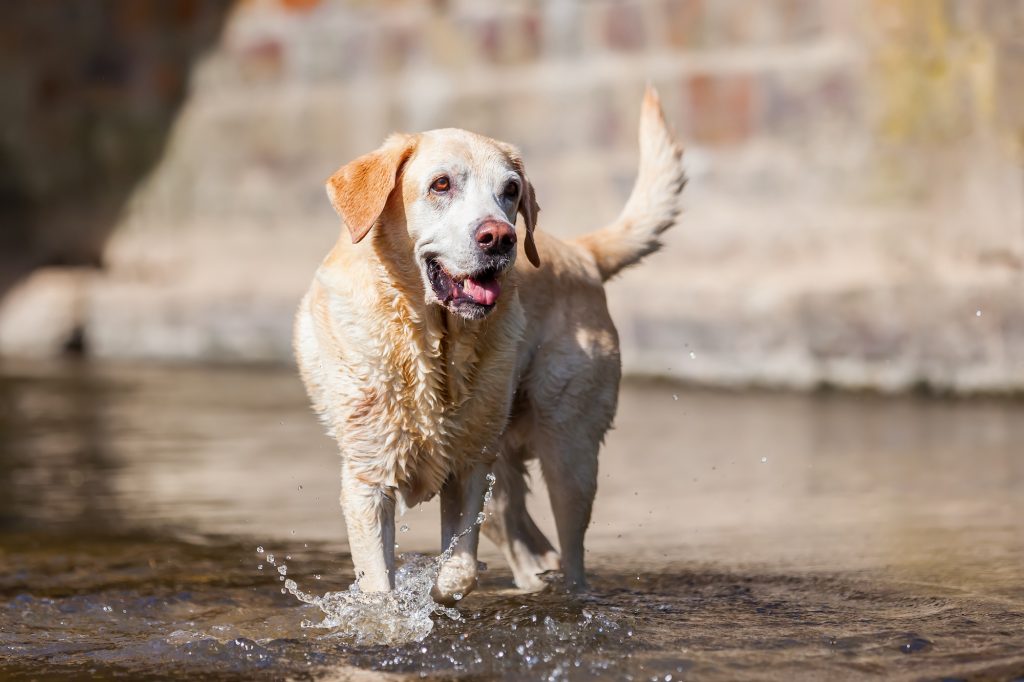
- Physical Limitations: Aging can lead to reduced strength, joint stiffness, and slower reflexes in dogs. Be observant of your dog’s physical condition. If you notice any signs of discomfort or fatigue, it might be time to adapt your training approach by opting for gentler exercises or utilizing lower-impact commands.
- Cognitive Changes: Just like humans, dogs can experience memory loss and decreased cognitive function as they age. This means that it may take longer for them to absorb new commands. Patience becomes your best ally here—consider breaking down commands into smaller, more manageable steps to avoid overwhelming your pup.
- Routine and Environment: Senior dogs often thrive on routine. Establishing a consistent training schedule can create a sense of security and predictability. Additionally, the environment plays a crucial role; opt for quiet, distraction-free spaces that allow your dog to focus solely on you during training sessions.
Once you have an understanding of your senior dog’s unique needs, it’s time to explore training techniques that can facilitate their success. Here are several effective strategies that resonate well with older dogs:
- Use Familiar Commands: Instead of introducing an array of new commands, reinforce existing ones that your dog already knows. This consistency can provide a sense of accomplishment and boost their confidence.
- Incorporate Fun Activities: Training doesn’t have to be all about commands. Incorporate games or activities that stimulate their mind while keeping them active. For instance, using puzzle toys can be a fantastic way to challenge their cognitive skills.
- Be Mindful of Energy Levels: Choose to train when your dog has more energy, typically after they’ve had a good rest. Early morning sessions, or following a light walk may be ideal times for a training boost.
The importance of taking a thoughtfully paced approach to training your senior dog cannot be overstated. When you take the time to understand and adapt to their evolving needs, you can unlock new dimensions of joy and engagement in their lives. By building a customized training regimen, you not only improve their obedience but also provide a foundation for maintaining their mental agility. This journey of discovery will undoubtedly enhance the bond you share with your beloved canine companion, forging memories that will last a lifetime.
| Category | Advantages |
|---|---|
| Patience and Understanding | Training a senior dog requires a gentle approach, as they may learn at a slower pace due to age-related factors. |
| Mental Stimulation | Engaging in training helps keep a senior dog’s mind sharp, which is crucial for their overall cognitive health and well-being. |
| Strengthening Bond | Training sessions create opportunities for bonding, enhancing trust and communication between the owner and dog. |
| Physical Activity | Incorporating movement in training promotes physical health, helping to combat issues like obesity and joint stiffness. |
Training your senior dog is not just about teaching commands; it’s also about understanding their unique needs at an advanced age. Your senior dog can thrive with the right approach, ensuring their time with you is enriched and fulfilling. By focusing on patience, mental stimulation, and physical well-being, you open up new avenues for communication and cooperation. Sessions filled with positive reinforcement will not only boost their confidence but also strengthen the bond you share. This insightful journey into training can illuminate ways of connecting with your senior companion, enhancing both their lives and yours. Dive deeper, and explore the various methods to make training successful at any age!
Effective Techniques for Training Your Senior Dog
Training a senior dog requires a thoughtful blend of traditional methods and innovative approaches that cater specifically to their needs. By utilizing these effective techniques, you can promote engagement and ensure a successful training experience. Here are some valuable methods to consider:
- Positive Reinforcement: The cornerstone of any successful training program is positive reinforcement. Use treats, praise, or toys as rewards whenever your dog successfully follows a command. Establishing a rewarding system helps to motivate them and makes learning a pleasant experience, enhancing their willingness to perform.
- Short Training Sessions: Senior dogs often have shorter attention spans, so it’s beneficial to keep training sessions brief and focused—preferably around 5 to 10 minutes at a time. Using multiple short sessions throughout the day can lead to better retention of commands and less frustration for your pup.
- Use of Target Training: Introducing target training can serve as an excellent way to engage your older dog. Teach them to touch a target—like your hand or a stick—with their nose or paw. Once they grasp this, it can be used for more complex commands or to guide them to specific locations, further enriching their cognitive skills.
Exercise: A Critical Component of Training
Physical activity is essential for senior dogs, impacting both their emotional and mental well-being. Exercising can enhance their ability to learn new commands and contribute to an overall positive training environment. Consider these exercise strategies:
- Low-Impact Workouts: Activities such as gentle walks, swimming, or low-impact fetch are excellent ways to help your senior dog stay active without stressing their joints. Aim for consistent routines that offer mental and physical stimulation.
- Incorporate Different Terrains: Engaging your senior dog in varied surroundings—like parks or hiking trails with gentle slopes—can provide sensory enrichment that aids in training. New scents, sights, and sounds can stimulate their brain and enhance their focus.
Socialization and Interaction
Another vital element of training successfully is ensuring that your senior dog has ample opportunities for socialization. Exposing them to diverse environments and other dogs encourages adaptability and confidence, significantly enhancing training outcomes:
- Controlled Social Settings: Arrange for playdates with other friendly dogs or take them to dog-friendly cafes where they can observe people and other pets at a comfortable pace. Controlled interactions can ease anxiety and make commands more meaningful as they understand their context.
- Regular Community Engagement: Participate in groups or classes specifically designed for senior dogs. These often foster a supportive environment where both owners and dogs can learn to engage positively through shared experiences.
By focusing on these innovative techniques and maintaining a flexible training approach, you elevate the overall experience for both you and your senior canine companion. Remember that training is not solely about teaching commands but also about strengthening the bond you share, ensuring both of you enjoy the learning journey together.
Conclusion
Training your senior dog is not only possible but can be an incredibly rewarding journey for both you and your furry friend. Understanding that age brings unique challenges and adjustments in energy levels, cognitive function, and physical abilities is crucial in tailoring your training approach. By employing positive reinforcement and keeping sessions brief, you can effectively engage your older dog without causing frustration. Remember to incorporate regular, low-impact exercise and varied environments to keep their minds sharp and bodies healthy, enhancing their overall learning ability.
Socialization plays a pivotal role as well, encouraging your senior dog to maintain confidence and adaptability in different settings. Whether through controlled playdates or specialized community classes, creating enriching social experiences not only fosters better behavior but also deepens the bond you share.
The journey of training is not just about commands but also about reinforcing trust and companionship. With patience, creativity, and a commitment to understanding your pet’s unique needs, you’re setting the stage for enriching experiences that extend far beyond training sessions. Your senior dog is not just learning; they are growing, engaging, and enjoying life to the fullest. So embrace this opportunity to continue teaching and learning together, and you’ll discover the endless rewards of a well-trained and happy senior dog.