Uncomplicating Storage: Minimalist Solutions for Space Management in Shared Environments
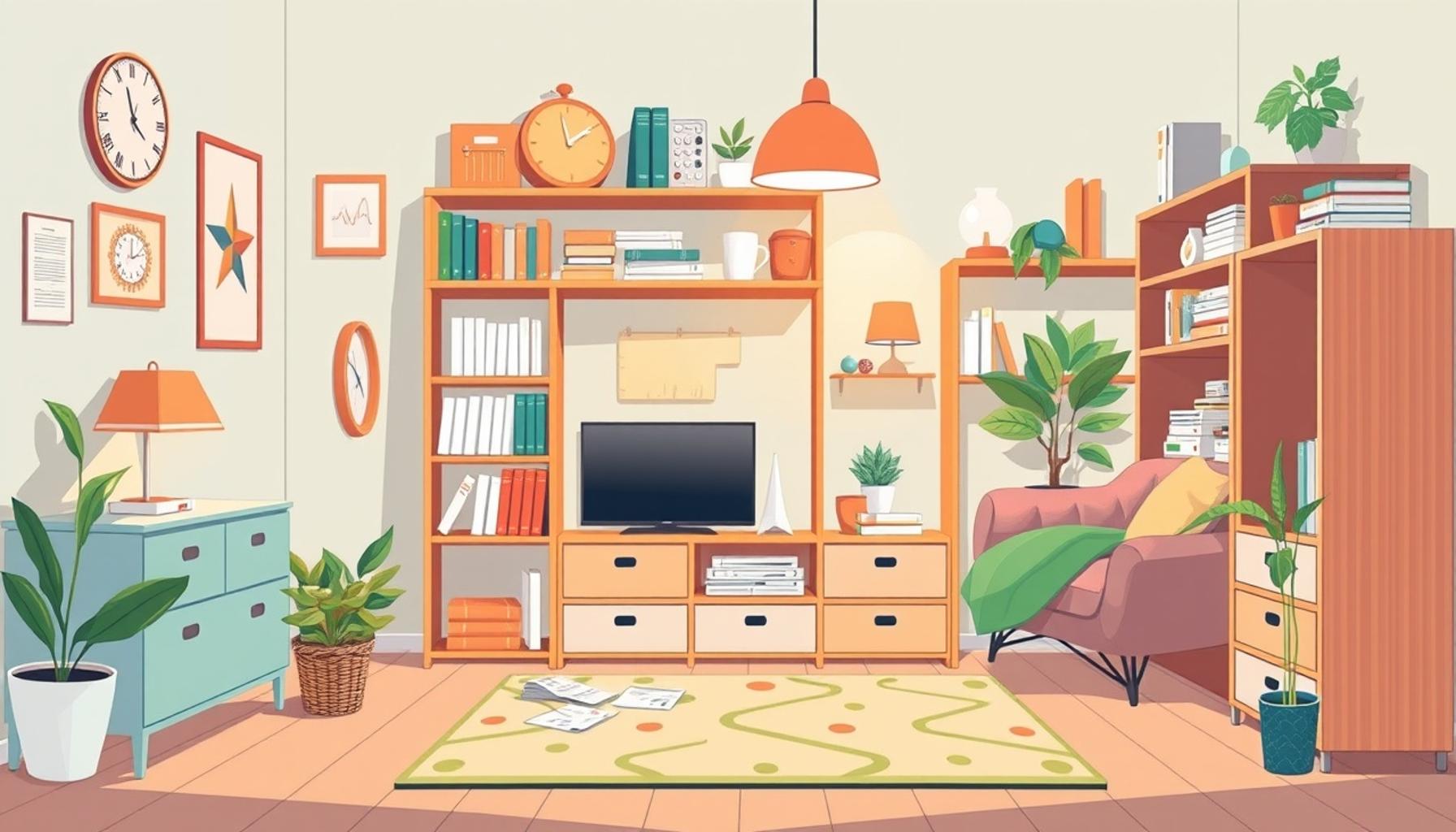
Finding Balance in Shared Spaces
In today’s world, shared environments are more common than ever. Whether it’s in offices, homes, or community spaces, managing storage efficiently can often feel overwhelming. The key lies in embracing minimalist solutions that not only simplify organization but also enhance the overall flow of shared areas.
Why Minimalism Matters
Adopting a minimalist approach yields a multitude of benefits. For starters, it promotes improved functionality; with less clutter, there’s more room available for collaboration and productivity. Imagine an office with an open floor plan where colleagues can move freely, unencumbered by piles of paperwork or unnecessary supplies. This unencumbered space can facilitate brainstorming sessions and foster creative thinking.
Additionally, a minimalist setting often results in enhanced aesthetics. A clean environment not only promotes a sense of calm but can also increase morale among those sharing the space. A study from the University of Essex found that workers perform better in environments characterized by simplicity and order. The absence of visual clutter helps maintain focus, minimizing distractions that could derail tasks.
Another advantage of minimalism is efficient cleaning. With fewer items to manage, regular tidying becomes less of a chore and more about maintaining an inviting atmosphere. Less time spent on maintenance means more time to invest in meaningful activities, whether they be work-related or leisure pursuits.
Key Strategies for Success
To effectively manage storage in shared environments, consider implementing the following strategies:
- Declutter regularly: Establish a routine for periodic decluttering. Encourage everyone involved to review items and keep only those that are truly necessary. This can be particularly impactful in communal kitchens, where expired food can accumulate quickly.
- Utilize vertical space: Invest in shelves and wall organizers to maximize storage capacity. This is especially helpful in smaller apartments or shared offices where floor space is at a premium. Vertical gardening is another innovative idea that brings greenery indoors while saving space.
- Invest in multifunctional furniture: Choose furniture that serves multiple purposes, such as ottomans with storage or foldable desks. These versatile pieces can streamline your layout and adapt to various uses, from working to hosting gatherings.
By understanding these principles and adapting them to your unique shared space, you can create an environment that supports both functionality and comfort. As you delve deeper into minimalist practices, consider exploring innovative methods such as the KonMari method, which emphasizes joy in belongings, or even digital decluttering to enhance your tech spaces. Separate yourself from the chaos, and watch as clutter transforms into clarity.
DIVE DEEPER: Click here to discover more insights
Understanding Shared Space Challenges
In shared environments, the challenge of space management often hinges on conflicting needs. Residents of shared apartments may have different preferences for organization; office coworkers may vary in their approach to workspace aesthetics. The result? Chaos. To combat this, it’s essential to implement minimalist solutions that are easily adaptable and encourage collaboration.
One critical aspect to consider is the concept of shared ownership. When multiple individuals contribute to a communal space, it’s crucial to establish a shared philosophy around decluttering. This could involve regular group meetings to discuss storage solutions and shared resources, ensuring that everyone contributes to a collective maintenance strategy. A 2020 study from the Harvard Business Review revealed that teams who invested time in discussing shared spaces reported a 25% increase in productivity and satisfaction levels among its members. Involving everyone in the decision-making breeds a sense of accountability, making it easier to maintain a clutter-free environment.
Practical Approaches to Simplified Storage
Implementing effective storage strategies is vital to achieving a minimalist aesthetic and functionality in shared spaces. Here are some practical approaches to consider:
- Implement a “One In, One Out” Policy: For every new item brought into the shared space, an existing item should be removed. This prevents unnecessary accumulation and encourages mindfulness about purchases.
- Designate Zones: Clearly defined areas for different activities, such as work, relaxation, or dining, can help everyone understand where items belong. Having designated zones can reduce confusion and restore order. For example, if you’re sharing an office and a kitchen, it would make sense to keep work materials in the office zone and culinary items in the kitchen.
- Clear Labeling: Labeling storage bins or sections can minimize the time spent searching for items. When everyone knows where everything belongs, it makes it easier to return items to their rightful places. This small step can significantly reduce clutter and increase efficiency.
By following these approaches, not only are you cultivating an organized shared environment, but you’re also laying the foundation for a community built on respect, cooperation, and clarity. As you explore minimalist solutions for storage, remember that the ultimate goal is to create a sense of harmony and functionality that benefits all residents or coworkers involved.
Beyond the Fundamentals
Once you lay down the basic principles of minimalist storage, consider embracing technology as well. Smart storage solutions such as cloud-storage systems for documents can significantly reduce physical clutter. Additionally, tools like organizational apps can help coordinate communal tasks like cleaning schedules or supply inventories, reinforcing collaboration while keeping everyone on the same page.
In the quest for uncoupling storage from chaos, exploring these dynamic solutions can bring both simplicity and harmony to shared spaces, enhancing both productivity and well-being. Uncomplicating your storage could very well be the first step toward a more holistic communal living experience.
Uncomplicating Storage: Innovative Ideas for Minimalist Solutions
In the quest for enhanced space management within shared environments, embracing minimalist solutions is vital. By effectively utilizing the available space, occupants create a more organized and harmonious living or working atmosphere. Minimalism doesn’t just declutter physical space; it cultivates mental clarity and efficiency.
Research indicates that well-organized environments can significantly boost productivity and reduce stress levels. Implementing minimalist storage solutions allows individuals to maximize their space while minimizing distractions. This trend is especially relevant in modern shared environments like co-working offices and multi-family residences, where every square foot counts.
Practical Strategies for Minimalism in Shared Spaces
1. Vertical Storage: Utilizing walls for vertical storage solutions, such as shelves or hooks, creates additional space without consuming precious floor area. This strategy also enhances accessibility and organization.
2. Multifunctional Furniture: Investing in furniture that serves multiple purposes—such as a coffee table with storage or a bed that doubles as a seating area—can significantly improve space efficiency.
3. Decluttering Rituals: Scheduling regular decluttering sessions ensures that shared spaces remain functional and tidy. By making this a group effort, everyone can participate and remain accountable.
Benefits of Minimalist Solutions
Adopting minimalist principles leads to a range of benefits, including:
- Increased Efficiency: Less clutter translates to smoother operations, especially in high-traffic environments.
- Enhanced Aesthetic: A minimalist approach creates an elegant and modern appearance, appealing to occupants and visitors alike.
- Improved Mental Well-being: A clean, uncluttered space contributes to enhanced focus and reduced anxiety, fostering a more productive atmosphere.
| Space Optimization | Key Characteristics |
|---|---|
| Smart Vertical Storage | Utilizes wall space to avoid floor clutter. |
| Dual-Purpose Furniture | Maximizes functionality while minimizing footprint. |
Understanding these essential aspects of minimalist solutions provides a path to not only optimize space but also improve the overall experience in shared environments. As the world continues to embrace a minimalist lifestyle, it’s more important than ever to explore effective strategies for storage and organization.
DIVE DEEPER: Click here to discover effective strategies
Innovative Strategies for Clutter-Free Coexistence
When addressing the complexities of shared environments, embracing innovative storage solutions can be a game changer. Beyond basic organizing tactics, there are creative strategies for transforming your space. Sustainable living has gained traction in the U.S., pushing individuals and communities to consider eco-friendly solutions. Incorporating recycled materials into storage systems not only promotes environmental consciousness but also serves as a conversation starter among residents or colleagues.
- Multi-Functional Furniture: Consider utilizing furniture pieces that serve dual purposes. For instance, a large ottoman can provide seating while also concealing various items inside. This duality caters to practicality while keeping the aesthetic minimalistic. Brands like IKEA have pioneered this approach, making it accessible for shared spaces.
- Vertical Storage Solutions: Often, people overlook their walls when considering storage space. Vertical solutions—like shelving units or hanging organizers—allow residents to utilize upward space efficiently. In communal kitchens, magnetic strips for tools or spice racks can free up counter space while keeping essentials within reach.
- Seasonal Storage Rotation: Implementing a rotational storage system for seasonal items can simplify organization significantly. For instance, during warmer months, winter clothing can be stored more securely, making space for summer gear. This practice can be particularly beneficial in shared apartments where residents must coexist harmoniously over varying seasons.
This type of strategy encourages an attitude shift towards maintaining a cleaner environment while also enhancing functionality. Studies indicate that effective space management increases the overall mood and productivity of residents, emphasizing the importance of an organized space.
Collaboration and Adaptability
Shared environments thrive on collaboration, and fostering that collaboration in the realm of storage solutions can lead to surprising results. Hosting regular organizational workshops can empower residents or coworkers to take part in communal decluttering sessions. According to a recent survey by the National Association of Professional Organizers, 81% of respondents claimed a cleaner space positively impacted their ability to focus and collaborate.
To keep storage practices adaptable, it can be helpful to implement a shared digital platform, like a Google Drive or a Slack channel, where residents can suggest and discuss new storage options. This enables open communication and shared decision-making, allowing improvements to occur organically as everyone adapts their habits and preferences.
Introducing communal tools, such as label makers or riding on shared apps for inventory and task allocation, enhances the sense of involvement and teamwork while simplifying storage management. These tech-savvy additions to traditional organizing methods are becoming increasingly popular in urban shared housing as people strive to strike a balance between efficiency and community.
Elevate the Aesthetic
Transforming shared spaces doesn’t solely revolve around practical solutions; aesthetics play a vital role as well. A cohesive design theme can enhance the enjoyment of shared areas. Choose a color palette that aligns with the shared vision and use decorative storage solutions like woven baskets or stylish boxes that serve as both organization and decor. This approach can truly embody the minimalist ethos while facilitating clutter-free environments.
As shared living continues to gain traction in densely populated areas of the United States, recognizing the need for innovative, minimalist storage solutions is paramount. Integrating these multifaceted strategies can contribute to a thriving cohabitation experience, ultimately leading to happier, more productive communal spaces filled with respect and understanding. The journey towards a decluttered environment is both a practical necessity and an art form, inviting creativity in every corner of our shared lives.
DISCOVER MORE: Click here to learn how to boost your productivity
Final Thoughts on Sustainable Storage Solutions
The quest for efficient storage in shared environments calls for minimalist solutions that not only simplify organization but also enhance the overall living experience. As we’ve explored, integrating practical strategies such as multi-functional furniture, vertical storage, and seasonal rotation can transform cluttered spaces into serene and functional havens. These innovative practices foster a sense of community and collaboration, essential for harmonious cohabitation.
Emphasizing aesthetics further enriches shared spaces, creating an inviting atmosphere that encourages creativity and connection. By adopting a cohesive design with stylish storage solutions, residents can cultivate a space that reflects collective values while remaining clutter-free. It’s clear that both the practicality and visual appeal of shared environments contribute significantly to residents’ satisfaction and productivity.
As we navigate the complexities of communal living, it becomes evident that the future of space management lies in our ability to reconcile functionality with simplicity. The strategies discussed not only serve immediate needs but also create a culture of mindfulness towards sustainability and teamwork. By committing to these principles, individuals and communities can embark on a transformative journey to achieve a cleaner, more organized living experience.
In an era where shared living is becoming commonplace, uncomplicating storage through thoughtful design and organization can lead to lasting benefits that resonate beyond mere aesthetics. Embrace these minimalist solutions, and watch as your shared space evolves into a thriving environment that values both practicality and community.