Understanding Cat Behavior: Signs of Stress and How to Alleviate Them
The Importance of Recognizing Cat Stress
Cats, often celebrated for their enigmatic and independent personalities, are not immune to stress. Just as humans experience tension and anxiety in various aspects of life, our feline friends can also face similar emotional challenges. Understanding how to discern the signs of stress in your cat is critical for both their health and happiness. What often goes unnoticed by many cat owners can lead to severe health issues if left unaddressed. By learning to recognize behavioral changes and physiological responses, you can better support your furry partner’s well-being.
Identifying Key Stress Indicators
Cats communicate their discomfort through subtle cues that require attentive observation. Some common signs that might indicate your cat is feeling stressed include:
- Excessive grooming: While grooming is a normal part of a cat’s routine, excessive licking can lead to fur loss and skin irritations. If your cat seems to be obsessively grooming, it may be a reaction to stress.
- Changes in appetite: A stressed cat may either lose interest in food or, conversely, engage in overeating—both of which could have serious health repercussions.
- Hiding: If your cat frequently retreats to hiding spots or avoids social interactions, it may be trying to shield itself from whatever is causing the stress.
- Vocalization changes: Pay attention to any increase in vocalizations, such as meowing or yowling. These could indicate anxiety or discomfort and can also signal territorial disputes.
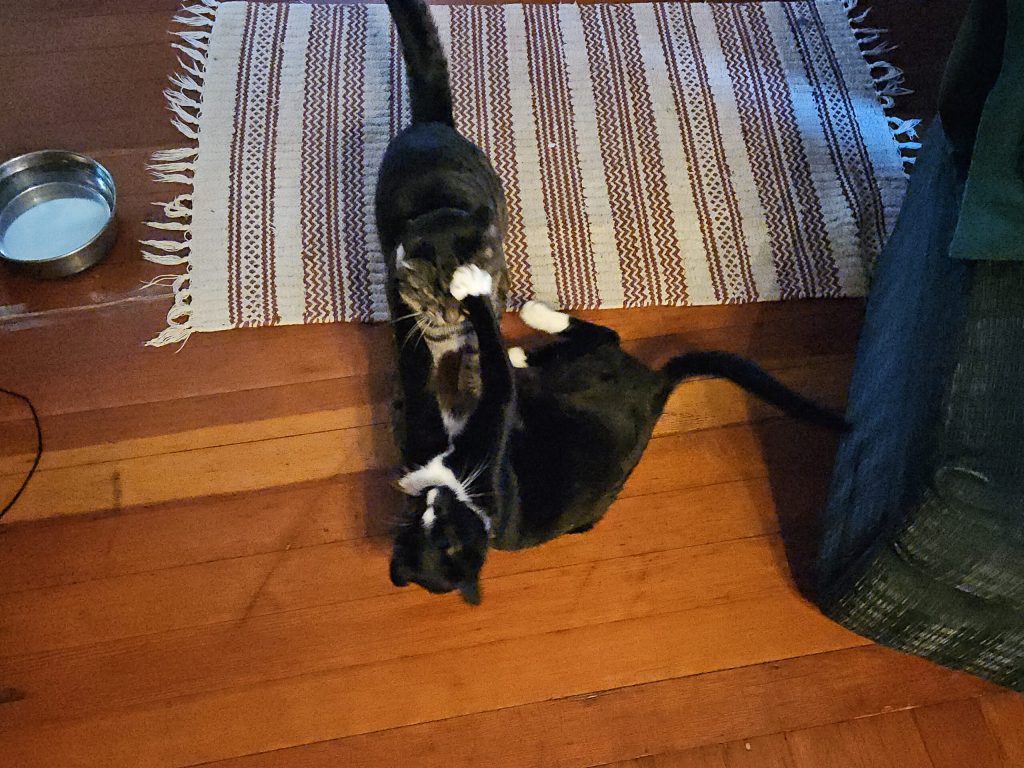
- Aggression: Sudden changes in behavior, like unprovoked aggression or irritability, can be alarming and often stem from stress sources.
Understanding Stress Triggers
To manage your cat’s stress effectively, identifying the underlying causes is essential. Common triggers include:
- Environmental changes: Events such as moving to a new home, renovations, or even the rearranging of furniture can unsettle your cat’s sense of security.
- Introducing new pets or people: While adding a new furry family member or welcoming a visitor may be exciting for us, it can be distressing for a cat that is accustomed to its routine.
- Health issues: Illness or chronic pain can lead to behavioral changes and increased anxiety in your pet. Regular veterinary check-ups can help preemptively address such issues.
- Lack of stimulation: Cats are playful creatures that need mental and physical engagement. A lack of interactive entertainment can cause boredom and stress, leading them to engage in destructive behaviors.
Strategies for Reducing Stress
Once you’ve pinpointed the signs and causes of stress in your cat, it’s time to take action. There are numerous strategies you can implement to create a more calming environment for your feline friend. For starters, creating a safe space, such as a cozy nook equipped with their favorite blanket, can provide an excellent retreat during moments of anxiety. Additionally, engaging them with a variety of scratching posts, toys, and interactive play can keep them active, mentally stimulated, and happy.
Furthermore, consider employing calming aids, such as pheromone diffusers or tranquil music designed specifically for cats. These products can significantly enhance their living space, creating an atmosphere that promotes relaxation. The key lies in understanding your cat’s unique personality—what calms one cat may not necessarily work for another.
If your cat continues to display signs of stress despite implementing these strategies, it’s crucial to consult with a veterinarian or an animal behaviorist. They can provide tailored advice and potential treatment options to ensure your cat remains not just healthy but truly happy. With vigilance and proactive care, you can help transform your feline’s life into one filled with comfort and joy.
Identifying Key Stress Indicators
Understanding cat behavior is imperative for ensuring their well-being, especially when it comes to recognizing signs of stress. Cats are notoriously skilled at hiding discomfort, making it crucial for pet owners to be vigilant in observing behavioral changes. These changes may not always manifest in dramatic ways, but they can provide essential insights into your cat’s emotional state. To help you maintain a harmonious environment for your feline companion, here are some common indicators that can signal stress:
- Excessive grooming: While grooming is a natural activity for cats, a sudden increase in licking can indicate stress. Cats may groom themselves obsessively as a coping mechanism, leading to fur loss or skin irritations—a worrying sign that should not be overlooked.
- Changes in appetite: Stressed cats often display shifts in their eating habits. Some may lose interest in their favorite food, while others may indulge excessively as a way of coping. Both scenarios can lead to health issues, reinforcing the need to keep an eye on their eating patterns.
- Hiding behavior: If your cat chooses to spend extended periods in secluded areas, such as under furniture or in a closet, it may be a sign of stress. Retreating to these hideouts can indicate that they feel overwhelmed or threatened by their surroundings.
- Vocalization changes: An increase in vocalizations, such as louder meows or yowls, can often point toward discomfort or anxiety. This behavior may become more pronounced during periods of change or tension, revealing your cat’s emotional turmoil.
- Aggression and irritability: Sudden changes in temperament, including unprovoked aggression towards humans or other pets, can be alarming. This behavior often stems from stress factors and can signify that your cat feels cornered or threatened.
Understanding Stress Triggers
To effectively address your cat’s stress, it’s vital to identify the triggers that lead to these behavioral changes. Stress-inducing factors can vary widely, and understanding what might be causing your cat’s discomfort is the first step to alleviating it. Some common stress triggers to consider include:
- Environmental changes: Relocations, home renovations, or even minor adjustments like rearranging furniture can disrupt your cat’s sense of security, leading to anxiety.
- Introducing new pets or people: Social dynamics may shift when new animals or individuals enter the household. Cats, who are creatures of habit, may find it challenging to adapt to these changes.
- Health problems: Illness or chronic pain can profoundly impact a cat’s behavior and emotional state. Regular veterinary check-ups are essential for detecting potential health issues early on.
- Lack of mental and physical stimulation: Cats thrive on engagement and playtime. A stagnant environment with little interaction can lead to boredom, which often manifests as stress or destructive behavior.
By identifying these stress indicators and triggers, you can deepen your understanding of cat behavior and take proactive steps to create a happier, calmer environment for your feline friend.
| Signs of Stress | Ways to Alleviate Stress |
|---|---|
| Aggressive Behavior | Provide a quiet space for your cat to retreat and feel safe. |
| Hiding | Encourage social interaction through gentle play and bonding activities. |
| Excessive Grooming | Develop a stable routine to provide a sense of predictability. |
| Changes in Appetite | Introduce calming products, such as pheromone diffusers, to create a soothing environment. |
Understanding the body language and signals of stress in cats is crucial to maintaining their well-being. For instance, aggressive behavior can indicate anxiety or discomfort, prompting owners to assess their cat’s environment for potential stressors. Meanwhile, noticeably hiding may suggest the cat feels threatened and would benefit from a safe haven. It’s essential to recognize these behaviors rather than dismiss them, as they can foster deeper issues if left untreated.Moreover, excessive grooming and changes in appetite are critical signs of emotional distress. Providing a consistent daily routine can help stabilize a cat’s environment, reducing anxiety levels. Additionally, employing calming aids, such as pheromone diffusers, may alleviate stress and create a more relaxed setting, encouraging your feline friend to thrive. By addressing these signs of stress promptly, you create a happier and healthier home for your beloved companion.
Effective Strategies to Alleviate Stress
Once you have identified the signs and triggers of stress in your cat, the next step is implementing effective strategies to alleviate their discomfort. Creating a nurturing and calming environment is key to helping your feline companion thrive. Here are some practical ways to reduce stress for your cat:
- Establish a Safe Space: Designate a specific area in your home where your cat can retreat to feel safe and secure. This space can be filled with cozy bedding, toys, and a litter box. Having a sanctuary enables your cat to decompress when they feel overwhelmed.
- Maintain a Routine: Cats are creatures of habit, and a consistent daily routine can foster a sense of stability. Schedule feeding times, play sessions, and grooming rituals to create predictability in your cat’s day-to-day life, which can ease anxiety.
- Engage in Interactive Play: Physical and mental stimulation are crucial for reducing stress. Use interactive toys, such as feather wands or laser pointers, to encourage play. Regular exercise not only helps alleviate boredom but also reinforces the bond between you and your cat.
- Provide Environmental Enrichment: Enrich your cat’s environment with puzzle toys, scratching posts, and climbing structures. These additions encourage exploration and mental engagement, helping to prevent stress-related behaviors that stem from boredom.
- Use Calming Products: Various products, such as pheromone diffusers, calming collars, and stress-relief treats, are available to promote relaxation in cats. These products can mimic the comforting pheromones that mother cats produce, reducing feelings of anxiety for stressed-out felines.
- Gradual Introduction of Changes: If you need to introduce new pets or make changes to the home environment, take a gradual approach. Allow your cat to acclimate to these changes at their own pace, providing comfort and reassurance throughout the process.
- Visit the Vet: Regular veterinary check-ups are essential for addressing any underlying health concerns that may be contributing to your cat’s stress. If you suspect a medical issue, consult your veterinarian, as prompt treatment can significantly improve your cat’s quality of life.
- Create Vertical Spaces: Cats often feel more secure in elevated positions. Install cat trees or shelves that allow your cat to observe their surroundings from a higher vantage point. These vertical spaces can provide a sense of safety while also serving as enrichment.
Understanding the Benefits of Mental Stimulation
It is essential to recognize that mental stimulation plays a significant role in a cat’s overall well-being. Engaging your cat’s mind can reduce stress and promote happiness. Consider incorporating training sessions into your routine, where you can teach your cat tricks or commands using positive reinforcement. Techniques such as clicker training not only stimulate their intellect but can also forge deeper connections with your pet.
Furthermore, interactive technology, such as automated laser toys or puzzle feeders, is gaining popularity among cat owners. These devices can intrigue your pet and keep them entertained while stimulating those mental pathways crucial for their happiness. Research has shown that well-stimulated cats display less anxious behavior, leading to a more balanced home life.
By employing these strategies for stress relief along with understanding the psychological needs of your cat, you can foster an environment that supports emotional health. Investing time and effort in their well-being will not only improve your cat’s quality of life but also enhance the human-feline bond, creating a happier household for both you and your beloved companion.
Conclusion: Enhancing Your Cat’s Well-Being
In conclusion, understanding cat behavior is essential for fostering a harmonious relationship with your feline companion. Recognizing the signs of stress is the first step toward providing the care they need to thrive. By observing your cat’s body language, vocalizations, and changes in behavior, you can better identify when they are feeling anxious or overwhelmed. Once you grasp the triggers that disrupt their emotional balance, it becomes crucial to implement practical strategies to assist in alleviating their stress.
As laid out in this article, establishing a safe space, maintaining a routine, and engaging in play are practical methods to soothe your cat’s anxiety. The importance of mental stimulation cannot be overstated; it encourages their natural instincts and enriches their environment, leading to happier and healthier pets. Additionally, using calming products and ensuring regular veterinary care are proactive measures that can vastly improve your cat’s emotional health.
Ultimately, creating a supportive and nurturing atmosphere not only enhances your cat’s quality of life but also deepens the bond you share. Investing time and energy in understanding and alleviating your cat’s stressors cultivates a peaceful home, benefiting both you and your furry friend. With patience and care, you can help your cat navigate through life’s challenges, ensuring their well-being and happiness for years to come.