Menu

The Influence of Nutrition on the Behavior of Pets

This article highlights the significant impact of nutrition on pet behavior, emphasizing how a balanced diet influences anxiety, aggression, and overall well-being. Key nutrients like Omega-3 fatty acids, proteins, and B vitamins play vital roles in shaping mood and behavior, underscoring the importance of informed dietary choices for happier pets.

The Importance of a Balanced Diet for Pet Health

Maintaining a balanced diet is crucial for pet health, enhancing their energy, mood, and longevity. Essential nutrients like proteins, fats, vitamins, and minerals are key to preventing health issues. Tailoring diets to meet specific needs and consulting veterinarians ensures optimal nutrition for happier, healthier pets.

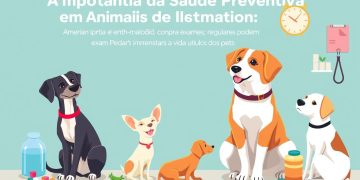
The Importance of Preventive Health Care in Pets: How Regular Examinations Can Increase Pets’ Lifespan

Preventive health care is essential for pets, enhancing their lifespan and quality of life. Regular veterinary examinations enable early disease detection, timely vaccinations, and customized health plans, ensuring your pet remains healthy and happy. Prioritizing routine check-ups fosters a strong bond between pets and their owners, promoting longevity.

Hypoallergenic Diets: What to Know for Pets with Food Allergies

Food allergies in pets are increasing, prompting owners to consider hypoallergenic diets. These diets, featuring novel or hydrolyzed proteins, help minimize allergic reactions. Consulting a veterinarian is crucial for tailored dietary plans, and gradual transitions can enhance success, improving pets' overall health and comfort.

How Nutrition Affects Puppy Development: What to Consider

Proper nutrition is crucial for a puppy's development, influencing their physical growth, behavior, and long-term health. A balanced diet rich in proteins, healthy fats, vitamins, and minerals ensures robust immunity and bone strength. Understanding dietary needs and hydration supports a thriving, energetic companion throughout their formative years.

Nutritional Supplements: When and How to Use Them in Your Pet’s Diet

This article explores the benefits of nutritional supplements for pets, highlighting their role in enhancing health, supporting immune systems, and improving coat condition. It emphasizes the importance of understanding individual pet needs, veterinary consultation, and proper administration to effectively incorporate supplements into their diets for optimal well-being.

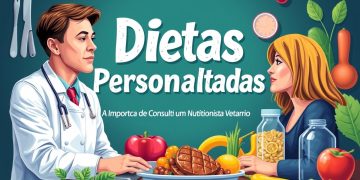
Personalized Diets: The Importance of Consulting a Veterinary Nutritionist

Tailored nutrition is crucial for pet health, as individual dietary needs vary by age, breed, and health conditions. Consulting a veterinary nutritionist helps pet owners create personalized diets that address specific issues like obesity and allergies, ensuring optimal health and enhancing the quality of life for their furry companions.

Natural Foods vs. Kibble: What’s Best for Your Pet?

The ongoing debate between natural foods and kibble for pet nutrition highlights key aspects like ingredient quality, convenience, and cost. Pet owners must consider their pet's unique needs and lifestyle when choosing the best diet, emphasizing the importance of informed decision-making to ensure optimal health and well-being.

The Benefits of Organic Food for Pets: Myths and Truths

As pet owners increasingly seek organic food options, understanding its benefits and myths is crucial. Organic pet food may reduce chemical exposure and improve nutrition, but its advantages vary by pet health needs. Informed choices are essential for optimizing your pet's diet and overall well-being.

The Importance of Hydration in Pet Nutrition: Tips to Ensure Your Animal Drinks Enough Water

Proper hydration is essential for pet nutrition, impacting digestion, temperature regulation, and organ function. Recognizing dehydration signs and implementing strategies, such as providing fresh water and using pet water fountains, can encourage your pet to drink more and maintain their overall health and vitality.