Menu

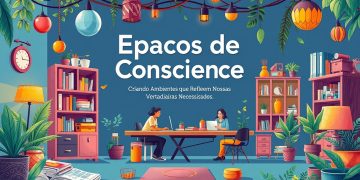
Conscious Living Spaces: Creating Environments that Reflect Our True Needs

This article explores the growing trend of conscious living spaces, emphasizing the importance of creating environments that promote well-being, sustainability, and mindfulness. It highlights key elements such as natural light, biophilic design, and intentional community areas that foster a deep connection and reflection of our true needs for a balanced lifestyle.

The Art of Letting Go: Practical Strategies to Reduce Clutter in Your Daily Life

Discover effective strategies to reduce clutter and embrace a more organized life. From understanding different clutter types to practical techniques like the one-in-one-out rule and seasonal purging, learn how letting go enhances focus, improves productivity, and fosters emotional relief for a simpler, more intentional existence.

The Art of Selecting: How to Make Conscious Choices When Acquiring New Items

In a world of overwhelming choices, making conscious purchasing decisions is essential. Understanding the environmental impact, prioritizing quality over quantity, and embracing second-hand and local options empower consumers to align their acquisitions with personal values and sustainability, ultimately enhancing satisfaction and fostering a more responsible lifestyle.

Conscious Detachment: Strategies for Evaluating and Organizing Your Possessions

Conscious detachment offers transformative strategies for evaluating and organizing possessions, promoting mindful ownership. By assessing emotional connections and practical uses, individuals can declutter effectively, fostering mental clarity. Embracing this intentional approach allows for a more meaningful life, focused on authentic values and enriching experiences.

The Practice of Digital Minimalism: Maintaining Order and Clarity in Our Virtual Lives

Digital minimalism is a strategy for achieving order and clarity in our virtual lives by promoting purposeful technology use. By limiting screen time, curating online spaces, and establishing mindful practices, individuals can enhance productivity, reduce stress, and foster meaningful connections—ultimately leading to a more intentional and fulfilling digital experience.

The Impact of Clutter on Productivity: How Organizing Your Space Can Increase Your Efficiency

Clutter significantly impacts productivity by hindering focus and increasing stress. An organized space enhances efficiency, boosts creativity, and improves emotional well-being. By reducing distractions and implementing effective organizing strategies, individuals can unlock their full potential, leading to greater success in both personal and professional endeavors.

Developing Daily Habits to Keep a Clutter-Free Space

A clutter-free space enhances productivity and well-being, requiring consistent daily habits for maintenance. Key practices include daily decluttering, organizing as you go, limiting new items, and adopting mindful consumption. By integrating these habits, individuals can enjoy a serene environment that promotes clarity and reduces stress.

Decluttering Families: Tips for Involving Children in Home Organization

Involving children in home organization fosters responsibility, teamwork, and emotional growth. By turning decluttering into engaging activities, families can instill valuable life skills while creating a harmonious living environment. This collaborative approach not only tidies up spaces but also strengthens family bonds and cultivates mindfulness in children.

The Art of Letting Go: How to Reduce Clutter and Create a More Tranquil Space

Discover the transformative power of decluttering to create a tranquil space. By understanding the emotional weight of belongings and implementing strategies like the "one in, one out" rule, you can enhance mental clarity, reduce stress, and cultivate a serene environment that reflects your values and fosters well-being.

How Reducing Clutter Can Improve Your Emotional Well-Being

Reducing clutter significantly enhances emotional well-being by alleviating stress, improving focus, and boosting motivation. A tidy environment fosters mental clarity and emotional resilience, leading to deeper connections and personal satisfaction. Embracing simplicity creates a peaceful space that nurtures intentional living and promotes overall mental health.