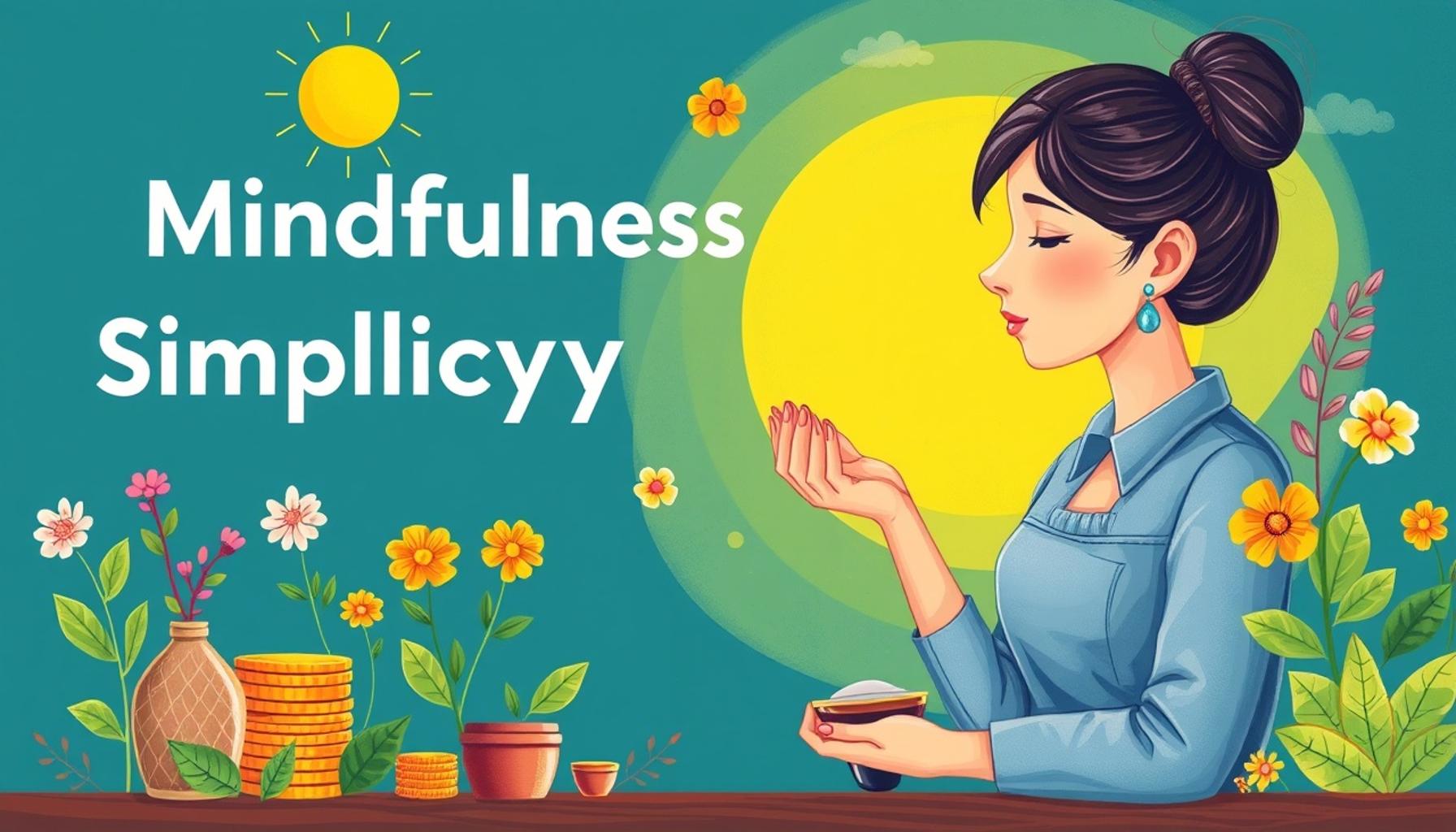
Living with Less: Emotional and Financial Benefits of Simplicity Living

The Case for Simplicity in Modern Life
In a society driven by consumerism and the relentless pursuit of more, a growing number of individuals are seeking solace in the principles of simplicity living. This philosophy is not merely a trend but a transformative movement that advocates for reducing our material possessions and embracing a lifestyle grounded in less. The emotional and financial gains that accompany this shift are profound, making a compelling argument for why more people should consider adopting such a lifestyle.
One of the most immediate impacts of embracing simplicity is the financial savings. For many, reducing unnecessary purchases not only frees up cash but also mitigates the stress tied to debt and financial instability. A survey from the National Endowment for Financial Education revealed that nearly sixty percent of Americans feel anxious about their financial situation. By prioritizing essential needs over wants, individuals can redirect their resources—whether it’s their hard-earned dollars or their time—toward enriching experiences, savings for the future, or investments in personal endeavors. For instance, choosing to embrace home-cooked meals instead of frequent dining out can lead to substantial savings over time.
Moreover, adopting a minimalist mindset can lead to decreased levels of stress and anxiety. This approach encourages individuals to focus on priorities and cultivate mindfulness. Instead of being overwhelmed by clutter—both physically and mentally—those who live simply often report greater clarity and peace. Many participants in minimalism workshops note that it’s not just about owning fewer items, but developing an appreciation for what truly adds value to their lives. For instance, a parent might decide against extravagant gifts for their children and instead prioritize quality time together, leading to more meaningful relationships.
Furthermore, simplicity is inherently environmentally friendly. In a world grappling with climate change and resource depletion, living with less leads to decreased consumption and waste. The U.S. Environmental Protection Agency reports that more than 292 million tons of waste were generated in 2018 alone. By choosing to buy less and utilize second-hand goods, individuals contribute to reducing landfill contributions while promoting a circular economy. Simple choices, such as using reusable bags or opting for public transportation, can significantly lessen one’s ecological footprint.
Beyond the tangible benefits, embracing simplicity fosters emotional resilience, encouraging individuals to cultivate gratitude and mindfulness. When distractions are minimized, one can navigate life’s challenges with greater ease and perspective. This is particularly relevant in our fast-paced, ever-connected world, where mental overload can often lead to burnout.
As we delve deeper into the conveniences and heartfelt stories surrounding simplicity, we discover that living with less can lead to unimaginable growth and fulfillment. This journey is not just about decluttering your home, but rather an exploration of what it means to live a richer life through intentional choices and meaningful connections. Join this transformative movement towards simplicity, and uncover the myriad ways it can enhance your well-being and perspectives.
DISCOVER MORE: Click here for insights on conscious living spaces
The Financial Freedom of Simplicity Living
One of the most significant advantages of simplicity living is the financial freedom it can provide. By consciously choosing to reduce consumption and prioritize essential needs over material desires, individuals can experience a marked improvement in their financial situations. Many Americans find themselves trapped in a cycle of credit card debt and monthly bills, leading to feelings of frustration and helplessness. However, adopting a minimalist lifestyle can turn this scenario around.
Take, for instance, the practice of budgeting. Those who embrace simplicity often report that a simpler lifestyle encourages more deliberate spending, making them more aware of where their money is going. By focusing on key expenses, such as housing, transportation, and food, they may discover areas for substantial savings. Consider the following strategies:
- Curb Impulse Buying: Develop a habit of evaluating whether a purchase truly aligns with your values. Store outings can be replaced by cost-effective activities like community events or outdoor adventures.
- Cut Subscription Services: With the growing number of streaming platforms and monthly services, these can add up quickly. Reassessing each subscription can often lead to significant yearly savings.
- DIY Solutions: Learning to create or repair instead of immediately buying new items can lead not only to financial savings but also increased satisfaction and skills.
Additionally, those who embrace simplicity living often find that their stress levels decrease significantly. Research indicates a correlation between financial strain and mental health concerns. As individuals focus their energies on essential needs, rather than distraction-driven consumerism, clarity comes into focus. A study published in the Journal of Consumer Research highlights that those who intentionally strive for less report lower levels of anxiety and greater satisfaction with their lives overall.
The emotional gains from this way of living compound over time. Individuals typically express increased feelings of joy and fulfillment through experiences rather than material possessions. A simple weekend spent hiking with friends often brings more lasting happiness than a shopping spree. As personal finances improve and stress diminishes, people can redirect their energies toward pursuing passions, further enhancing their sense of well-being.
Moreover, embracing a lifestyle of minimalism can fundamentally change one’s perspective on personal values. By minimizing the clutter in their lives, individuals often find themselves more focused, more productive, and more satisfied. Imagine stepping into your home and immediately feeling a sense of calm rather than being overwhelmed by the chaos of possessions. This shift is not just about cutting costs; it’s about rediscovering what holds real significance in one’s life—relationships, experiences, and personal growth.
As we delve deeper into the emotional and social impacts of simplicity, it becomes clear that living with less can lead to profound personal transformation. Ultimately, the journey toward simplicity is not merely a financial strategy but a holistic approach to living that redefines success and happiness.
| Advantage | Description |
|---|---|
| Reduced Stress Levels | Embracing simplicity can lead to a more peaceful mind, as it minimizes distractions and clutter. |
| Financial Savings | Living with less often means lower expenses, boosting overall financial health and security. |
| Improved Focus on Experiences | Simplifying life allows individuals to redirect their energy toward meaningful experiences rather than material possessions. |
The theme of “Living with Less” is not only about physical decluttering but also touches upon significant emotional and financial benefits. Studies show that individuals who adopt a simpler lifestyle report enhanced mental well-being, citing less anxiety and greater contentment. Financially, embracing simplicity can significantly decrease living costs, thus minimizing debt and financial stress. Many advocates argue that when people prioritize experiences over possessions, they often find richer fulfillment in life.However, making the transition to a simpler life requires mindset shifts and practical changes. For example, decluttering your home can be an initiation, allowing space for both physical and emotional freedom. Moreover, those who live with less often cultivate deeper relationships, focusing on what truly matters. Whether it’s through volunteer work, spending more time with loved ones, or pursuing new interests, living simply fosters an environment for personal growth and self-discovery.In exploring these aspects, readers are encouraged to reflect on their own lives and consider how simplicity might enhance their emotional health and financial wellness.
DISCOVER MORE: Click here to discover helpful tips
The Emotional Transformation through Simplicity Living
As individuals begin to experience the financial benefits of a simplified lifestyle, they often encounter a profound emotional transformation that complements their newfound fiscal awareness. Embracing simplicity is not merely about reducing possessions; it is a journey toward emotional clarity and resilience. The process invites individuals to delve deeper into what truly matters, fostering a more meaningful existence.
One of the most striking emotional benefits of simplicity living is a heightened sense of self-awareness. By decluttering both physical space and mental bandwidth, practitioners often find a new appreciation for their thoughts and feelings. This practice can lead to improved emotional regulation—people become more adept at managing anxiety, stress, and even interpersonal conflicts. A report by the American Psychological Association highlights that environments free from excessive clutter have been linked to lower stress levels, allowing for a calmer mental state.
In addition, minimalism promotes the pursuit of experiences over material goods. Research consistently shows that spending on experiences—such as travel, hobbies, or time with loved ones—leads to greater long-term happiness compared to spending on physical items. A study published in the Journal of Happiness Studies found that experiences create more lasting memories, as they often involve social interactions and the development of personal skills. This shift from material consumption to experiential spending can radically alter one’s perception of joy, offering richer and more fulfilling moments.
Furthermore, simplicity living lays the groundwork for stronger, more authentic relationships. When individuals prioritize quality over quantity in their social interactions, they often find themselves investing in deeper connections. A minimalist lifestyle encourages people to surround themselves with supportive, nurturing relationships, while simultaneously letting go of toxic ones. The emotional rewards of having a tight-knit circle, rather than a broad but shallow network, can significantly enhance overall life satisfaction.
Another essential emotional benefit is increased gratitude. As individuals become more discerning with their possessions, they frequently develop a greater appreciation for what they own. A study conducted by the University of California found that people who practice gratitude regularly experience improved mental health, diminished depressive symptoms, and higher levels of optimism. Recognizing the value of everyday items fosters a renewed sense of contentment, enabling practicers to find joy in the simplicity of their lives.
Moreover, the principles of simplicity can lead to a sense of purpose and clarity. Individuals who adopt this lifestyle often report becoming more aligned with their core values and beliefs. As they navigate away from consumerist pressures, they frequently engage in activities that resonate with their true selves—be it volunteering, pursuing creative passions, or simply spending quality time with family. This alignment with personal values encourages a fulfilling life path, pivoting away from societal expectations and instead focusing on what genuinely brings happiness.
Ultimately, the emotional and psychological benefits of simplicity living unfold in layers. From diminished stress levels and enhanced experiences to meaningful relationships and a deeper sense of gratitude, the emotional transformation cultivated through intentional living can lead to a profound and lasting shift in one’s perspective on life. In each step taken towards simplicity, individuals often discover not only what to eliminate but also what to embrace, fostering an endless cycle of growth, joy, and connection.
DISCOVER MORE: Click here to learn how to create a serene environment
Conclusion: Embracing the Power of Less
In a world characterized by constant consumerism and the relentless pursuit of material wealth, the decision to pursue simplicity living emerges as a refreshing antidote to the chaos of modern life. Not only does this lifestyle offer substantial financial benefits through reduced expenses, but it also fosters profound emotional growth and resilience. Individuals who embrace minimalism find themselves aligned with their core values, which in turn cultivates a greater sense of purpose and clarity.
As demonstrated throughout this exploration, the emotional rewards of living with less are far-reaching. From reduced levels of stress and anxiety to enhanced experiences and authentic relationships, the journey towards a simpler life fosters a new appreciation for the little things. This shift toward valuing experiences over possessions not only promotes long-term happiness but also facilitates a deeper connection with oneself and others. The act of decluttering, therefore, becomes not just a physical task but a transformative emotional journey.
The implications of simplicity living extend beyond personal satisfaction; they ripple into broader societal realms, urging us to reconsider our values and priorities in a consumer-driven world. It invites us all to reflect on what genuinely matters—connection, experiences, and gratitude for the present moment. Thus, embracing simplicity is not merely a lifestyle choice but an empowering path toward a richer, more fulfilled existence. As you reflect on your own life, consider where you might cut back and how such changes can lead to emotional clarity and financial freedom, potentially enriching your journey toward a life well-lived.